Secret to keeping fresh produce camera-ready all week?
The Quest for Ever-Fresh Produce
There’s nothing quite like the vibrant sight of fresh produce. It promises healthy meals, bursts of flavor, and a connection to nature. Yet, the struggle is real: how do you keep that just-bought crispness and color from fading into sad, wilted disappointment by mid-week? The secret isn’t magic; it’s a combination of understanding what your produce needs and implementing a few smart storage strategies. Say goodbye to soggy greens and shriveled berries, and hello to a refrigerator full of truly camera-ready ingredients!
Mastering the Basics: Cleanliness and Dryness
The first rule of fresh produce club is simple: don’t wash until you’re ready to use, or dry thoroughly if you do. Excess moisture is the enemy of longevity, promoting mold and rot. For most fruits and vegetables, a quick rinse just before consumption is best. If you absolutely must pre-wash, ensure they are bone-dry before storing. A salad spinner is your best friend here, followed by spreading items on a clean towel to air dry completely.
Tailored Storage for Different Produce Types
Leafy Greens: The Crispy Revolution
For lettuce, spinach, kale, and other leafy greens, the goal is to maintain moisture without drowning them. After a thorough drying (if pre-washed), wrap them loosely in paper towels and place them in an airtight container or a sealed plastic bag. The paper towels absorb excess moisture, while the container protects them from drying out.
Herbs: Treat Them Like Flowers
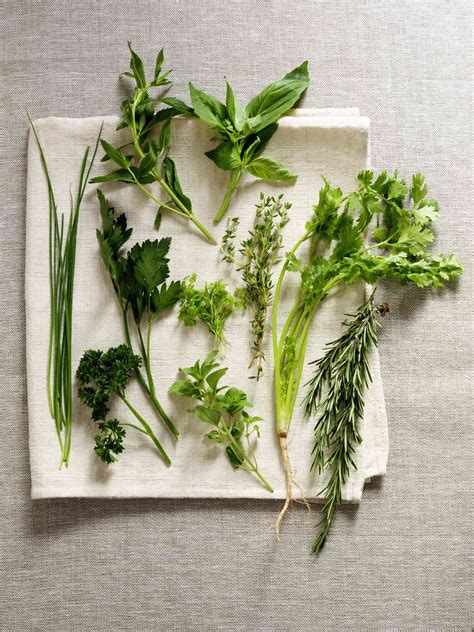
Delicate herbs like cilantro, parsley, and basil thrive when treated like a bouquet. Trim the bottoms of the stems, place them in a glass of water, and cover loosely with a plastic bag. Store in the refrigerator (except basil, which prefers room temperature). For heartier herbs like rosemary and thyme, wrap them in a damp paper towel and place them in a sealed bag.

Berries: The Delicate Divas
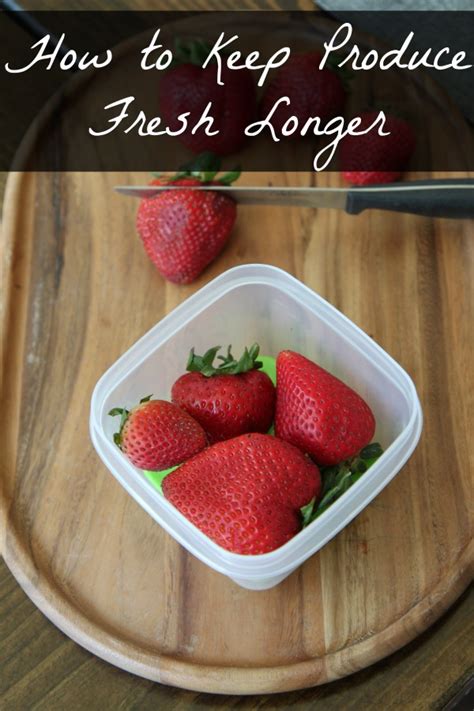
Berries are prone to mold. A quick vinegar bath (a mixture of one part white vinegar to three parts water) can work wonders. Rinse them gently in the solution, then thoroughly dry them before storing. Place them in a single layer in a breathable container lined with paper towels, or use specialized berry containers designed for airflow.
Root Vegetables & Hardier Produce: Cool, Dark, and Dry
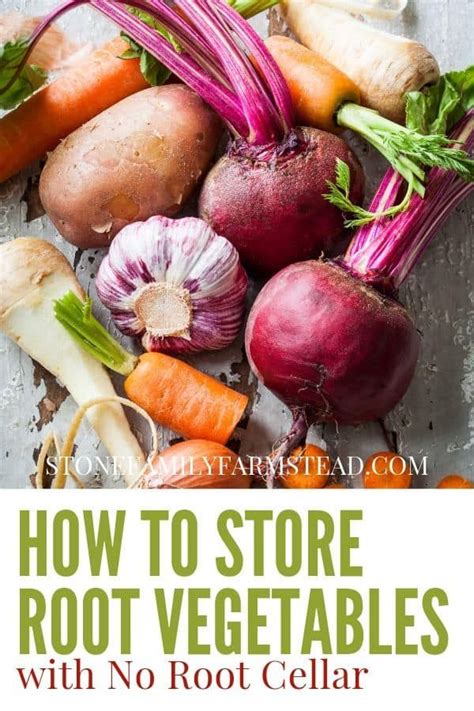
Potatoes, onions, and garlic prefer cool, dark, and dry conditions outside the refrigerator. Never store potatoes and onions together, as the gases they emit can cause spoilage. Carrots, celery, and radishes, however, love a cold, damp environment. Trim their greens (which draw moisture), and store them submerged in water in an airtight container in the fridge, changing the water every couple of days.
The Ethylene Factor: Keep Your Distance!
Some fruits, known as ethylene producers, release a gas that accelerates the ripening (and spoiling) of other produce. Keep apples, bananas, avocados, and tomatoes separate from ethylene-sensitive items like leafy greens, broccoli, and peppers. Knowing which produce to segregate can dramatically extend the life of your entire haul.
Invest in the Right Tools
While not strictly necessary, a few specialized tools can make a big difference. Produce bags designed for breathability, airtight glass containers, silicone food savers, and even reusable beeswax wraps can help maintain optimal storage conditions. Think of them as an investment in reducing food waste and saving money in the long run.
Daily Check-Ins and Rotation
Even with the best storage practices, it’s wise to do a quick daily check. Remove any bruised or spoiling items immediately to prevent them from affecting their neighbors. Rotate your produce, bringing older items to the front of the fridge or pantry to ensure they get used first. This proactive approach helps keep your produce ‘camera-ready’ from Sunday shopping to Saturday supper.

Enjoying Your Fresh Haul
By implementing these simple yet effective strategies, you’ll not only extend the shelf life of your fresh produce but also reduce food waste and save money. Your refrigerator will become a vibrant, organized haven, and every meal will benefit from the crisp texture and rich flavor of truly fresh ingredients. Enjoy your camera-ready produce all week long!