Secret to perfectly caramelized, never dull roasted vegetables?
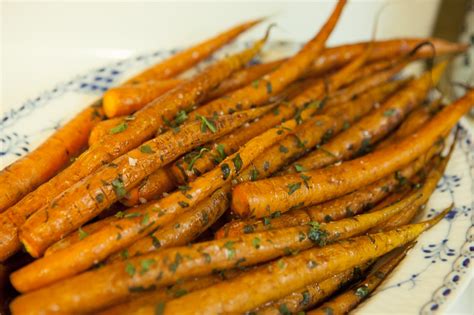
Unlocking the Magic of Perfectly Roasted Vegetables
Roasted vegetables are a culinary cornerstone, celebrated for their ability to transform humble produce into tender, sweet, and intensely flavorful bites. Yet, for many home cooks, the dream of perfectly caramelized edges and a never-dull interior often remains elusive. Instead, we’re sometimes left with soggy, pale, or unevenly cooked results. The good news? Achieving that restaurant-quality roast is entirely within your grasp, and it hinges on a few crucial, yet simple, techniques.
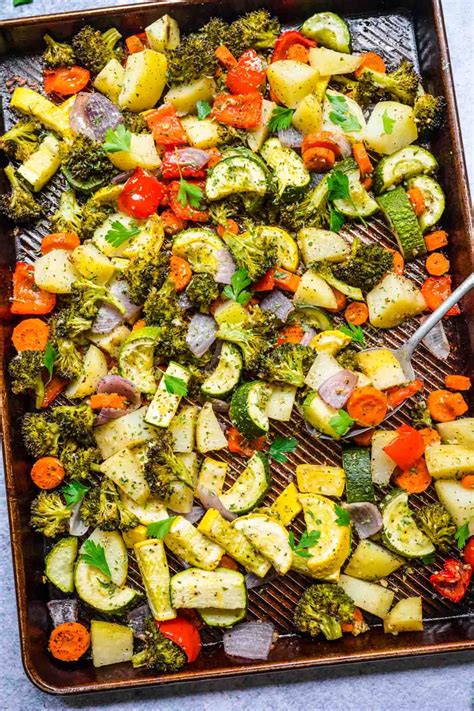
The Science Behind the Sizzle: Caramelization and Maillard Reaction
The secret lies in two magical chemical processes: caramelization and the Maillard reaction. Caramelization occurs when sugars in the vegetables break down under high heat, creating those delightful browned, sweet notes. The Maillard reaction, meanwhile, is responsible for the complex savory flavors and deep browning of proteins and amino acids. Both require high heat and the absence of excess moisture to truly shine.
Tip #1: The Right Cut and Dry Prep
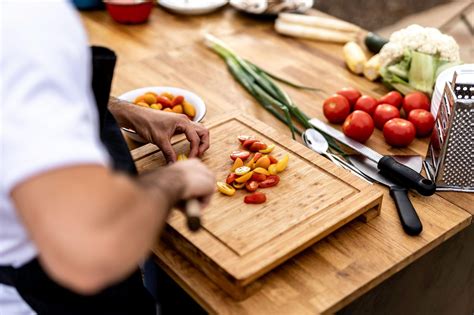
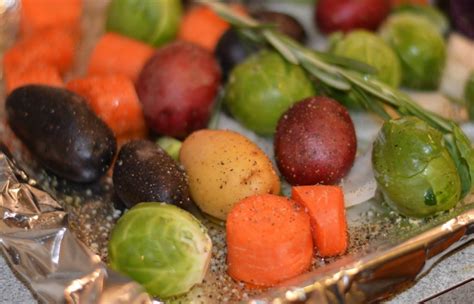
Consistency is key. Cut your vegetables into roughly uniform sizes to ensure they cook evenly. Small pieces will cook faster, larger pieces slower. Think about the density of the vegetable too; potatoes and carrots take longer than bell peppers or zucchini. Once cut, the most critical step is to pat them completely dry with a clean kitchen towel or paper towels. Moisture is the enemy of caramelization; it steams the vegetables instead of roasting them.
Tip #2: The Perfect Fat and Seasoning Strategy
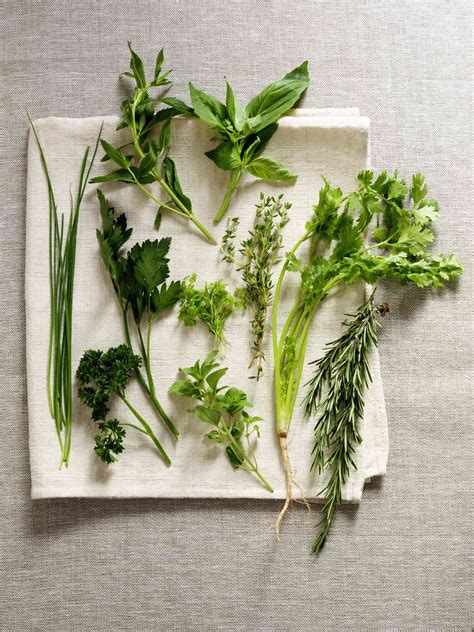
Choose a high smoke point oil like avocado, grapeseed, or light olive oil. These oils can withstand the high temperatures needed for proper roasting without breaking down and imparting off-flavors. Drizzle just enough to lightly coat the vegetables – too much oil will make them greasy. Season simply with salt and freshly ground black pepper before roasting. For delicate herbs like parsley or cilantro, add them after roasting to preserve their fresh flavor.
Tip #3: Give Them Space! Don’t Crowd the Pan
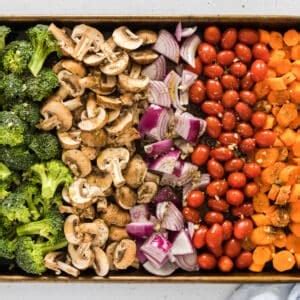
This is arguably the most common mistake. Overcrowding a baking sheet traps moisture, essentially steaming your vegetables rather than allowing them to roast and caramelize. Use two baking sheets if necessary, ensuring each piece has enough breathing room. There should be a small gap between each piece of vegetable, allowing hot air to circulate freely around them.
Tip #4: Crank Up the Heat and Be Patient
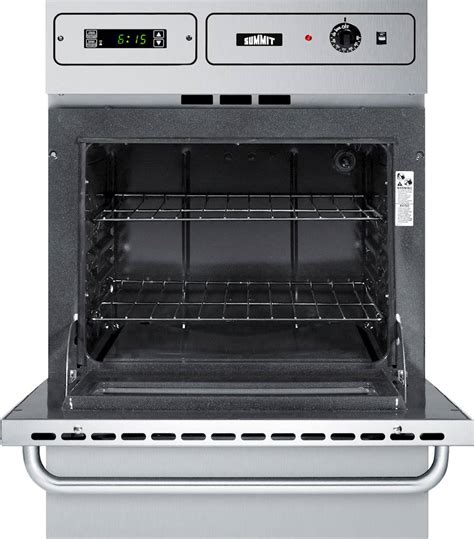
Preheat your oven to a minimum of 400°F (200°C), and often 425-450°F (220-230°C) is even better. A hot oven is essential for quick browning. Also, ensure your baking sheet is hot before adding the vegetables. You can preheat the sheet pan in the oven for 5-10 minutes. Once the vegetables are on the hot pan, resist the urge to constantly stir them. Let them sit undisturbed for 15-20 minutes to develop a good sear on one side before flipping or tossing. This undisturbed time is vital for caramelization.
Tip #5: Finish with Flair (Optional but Recommended)
Once your vegetables are tender and beautifully browned, a little something extra can elevate them further. A squeeze of fresh lemon juice or a drizzle of balsamic glaze brightens the flavors. A sprinkle of fresh herbs (rosemary, thyme, or oregano are great with root vegetables; parsley or chives with lighter ones) adds aromatic depth. A dash of red pepper flakes can provide a subtle kick.
Mastering the Art of Roasted Perfection
With these straightforward tips – proper drying, ample space, high heat, and a little patience – you’ll transform your roasted vegetables from dreary to divine. Say goodbye to dull, soggy sides and hello to perfectly caramelized, intensely flavorful produce that will be the star of any meal. Experiment with different vegetables and seasonings, and enjoy the delicious results!