Secret to perfectly caramelized roasted vegetables for ultimate flavor & visual appeal?

Unlocking the Golden Potential of Roasted Vegetables
Roasted vegetables are a staple in many kitchens, lauded for their simplicity and inherent goodness. But there’s a world of difference between merely cooked vegetables and those boasting a deep, golden-brown crust with concentrated, almost sweet flavors. This magical transformation is called caramelization, and it’s the secret to elevating your everyday side dish to an unforgettable culinary experience.
Achieving this perfect balance of tender interior and crispy, caramelized exterior isn’t just about throwing veggies in the oven. It’s a mindful process involving a few key techniques that unlock their ultimate potential. Get ready to turn ordinary produce into extraordinary.
The Science Behind the Sizzle: Maillard Reaction and Natural Sugars
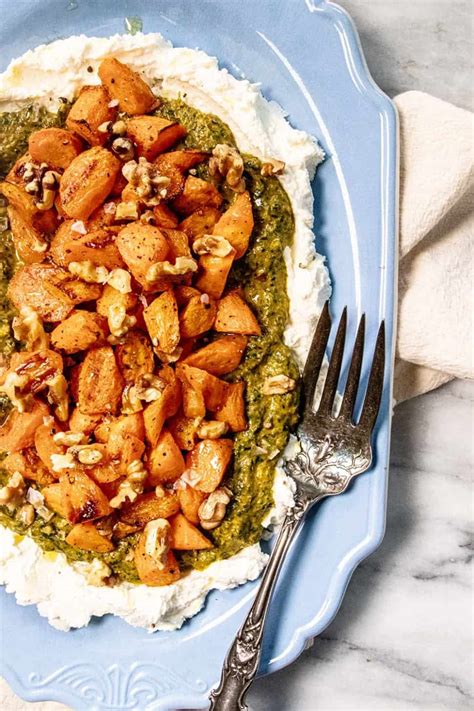
The delicious browning and complex flavors we crave in roasted vegetables are largely due to two chemical reactions: the Maillard reaction and, to a lesser extent, sugar caramelization. The Maillard reaction occurs between amino acids and reducing sugars under heat, creating hundreds of new flavor compounds and the characteristic golden-brown crust. While all vegetables contain some natural sugars, root vegetables like carrots, sweet potatoes, and onions have higher concentrations, making them prime candidates for deep caramelization.
Essential Steps for Achieving Caramelized Perfection
Mastering these fundamental steps will ensure consistently delicious and beautifully caramelized roasted vegetables every time.
1. Choose Your Veggies Wisely
While almost any vegetable can be roasted, some are superstars for caramelization. Think root vegetables (carrots, parsnips, sweet potatoes, beets), cruciferous vegetables (broccoli, cauliflower, Brussels sprouts), and alliums (onions, shallots). Mix and match for a vibrant medley!
2. Prep Like a Pro: Wash, Dry, and Cut Uniformly
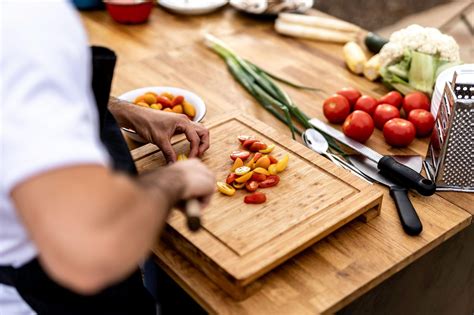
This step is often overlooked but is absolutely critical. Moisture is the enemy of crispness and caramelization. Thoroughly wash and then *completely dry* your vegetables, preferably with a salad spinner or paper towels. Any residual water will steam the vegetables instead of roasting them, leading to a soggy texture. Cut vegetables into uniform, bite-sized pieces to ensure even cooking and browning. Irregular pieces will cook at different rates, leading to some burnt and some undercooked.

3. The Right Fat and Seasoning
A good quality fat is essential for crispness and flavor. Olive oil is a classic choice, but avocado oil or grapeseed oil also work well, especially for higher heat. Don’t be shy with the oil; you want every piece to be lightly coated. Season simply with salt and freshly ground black pepper initially. You can always add herbs, spices, or other flavorings later.
4. Don’t Crowd the Pan
This is perhaps the single most important rule. Overcrowding your baking sheet is the quickest way to end up with steamed, rather than roasted, vegetables. When vegetables are packed too closely, they release moisture, creating steam that prevents browning. Use multiple baking sheets if necessary, ensuring each piece has its own space and isn’t touching its neighbors. Air circulation is key!

5. High Heat is Your Friend
For caramelization to occur, you need high heat. Preheat your oven to a minimum of 400°F (200°C), and sometimes even 425-450°F (220-230°C), depending on your oven and vegetables. Make sure your baking sheet is also preheated; sometimes placing it in the oven while it heats up can give you a head start on crispiness.
6. Patience and a Gentle Flip
Resist the urge to constantly check and stir. Allow the vegetables to roast undisturbed for at least 15-20 minutes on one side to develop that beautiful crust. Then, use a sturdy metal spatula to gently flip them, ensuring you scrape up any delicious browned bits sticking to the pan. Continue roasting until they are tender inside and deeply caramelized on all sides. Total roasting time will vary depending on the vegetable and cut size, typically 25-45 minutes.

Troubleshooting Common Roasting Mishaps
- Soggy Vegetables: You likely overcrowded the pan, didn’t dry them enough, or didn’t use high enough heat.
- Burnt on the Outside, Raw on the Inside: Pieces were cut too large, or the oven was too hot for the size of the pieces. Try a slightly lower temperature for longer, or cut smaller.
- No Browning: Too much moisture, too low heat, or not enough fat.
Beyond the Basics: Elevate Your Roast
Once you’ve mastered the fundamentals, experiment with extra flavors:
- Acidity: A squeeze of lemon juice or a splash of vinegar (balsamic, red wine) after roasting brightens the flavors.
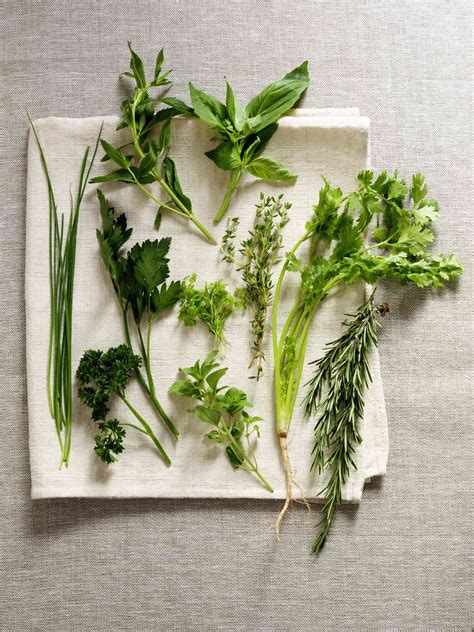
- Fresh Herbs: Toss with fresh thyme, rosemary, or parsley at the end.
- Spices: A pinch of smoked paprika, cumin, or garlic powder can add another layer of complexity.
- Sweetness: A drizzle of maple syrup or honey during the last 10 minutes can enhance caramelization, especially for root vegetables.
Conclusion: Master the Art of Caramelization
Perfectly caramelized roasted vegetables are a testament to simple techniques yielding spectacular results. By paying attention to drying, spacing, heat, and patience, you’ll transform everyday produce into a dish bursting with deep, complex flavors and an irresistible visual appeal. Embrace these secrets, and your kitchen will forever be filled with the tantalizing aroma of golden-brown goodness.