Secret to perfectly crispy roasted vegetables without sogginess?

Unlock the Ultimate Crispy Roast: Say Goodbye to Sogginess
Roasted vegetables are a staple in many kitchens – delicious, versatile, and a fantastic way to enjoy your greens. However, the dream of golden, caramelized edges can often turn into the soggy reality of steamed vegetables if not done correctly. The secret to achieving that coveted crispy exterior lies in understanding and controlling a few critical factors during the roasting process. Let’s dive into the foolproof methods that will transform your vegetable game.
The Foundation: Proper Preparation is Key
Choose the Right Vegetables
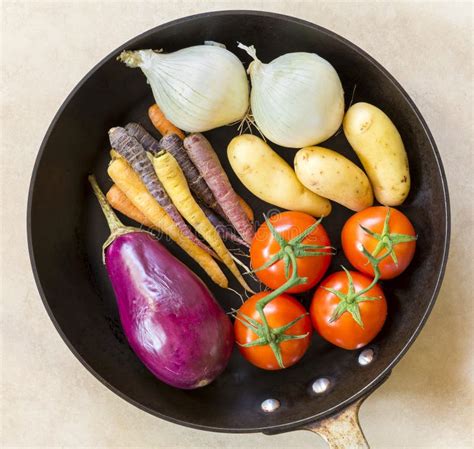
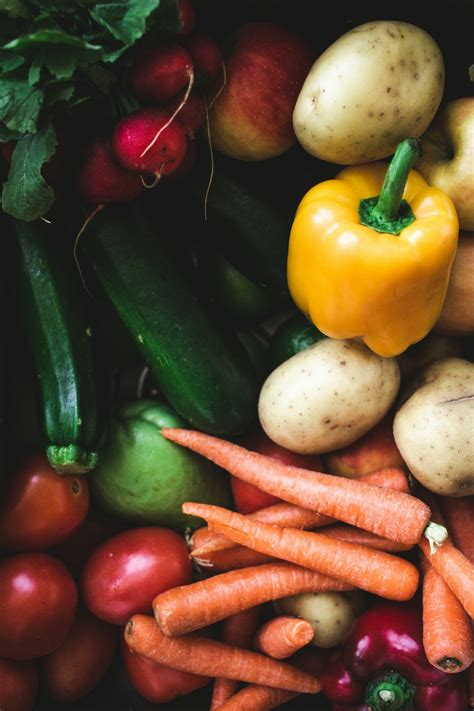
While most vegetables can be roasted, some are naturally better suited to crisping. Root vegetables like potatoes, carrots, parsnips, and sweet potatoes, along with cruciferous vegetables such as broccoli, cauliflower, and Brussels sprouts, are excellent choices. They hold their shape well and develop beautiful caramelization.
The Golden Rule: Dry, Dry, Dry!
This is arguably the most crucial step. Excess moisture is the archenemy of crispiness. After washing your vegetables, dry them thoroughly. Use a salad spinner for leafy greens or broccoli/cauliflower florets, and then lay them out on a clean kitchen towel or paper towels to air dry for a bit, patting them down until no visible moisture remains. Any water on the surface will create steam in the hot oven, resulting in a soggy rather than crispy texture.

The Roasting Process: Mastering Heat and Space
Preheat Your Pan, Not Just Your Oven
Place your baking sheet or roasting pan in the oven while it preheats to a high temperature, typically between 400°F (200°C) and 450°F (230°C). A hot pan ensures immediate searing when the vegetables hit it, kick-starting the caramelization process and preventing sticking. This also helps in quick evaporation of any residual moisture.
Don’t Crowd the Pan
This is another non-negotiable rule. When vegetables are packed too closely together, they release moisture, creating a steamy environment rather than allowing for proper browning and crisping. Arrange them in a single layer with ample space between each piece. If you have a large batch, use two baking sheets. Air circulation is vital for crispiness.
The Right Fat and Seasoning
Use an oil with a high smoke point, such as avocado oil, grapeseed oil, or light olive oil. Toss the vegetables with just enough oil to lightly coat them – too much oil can make them greasy, not crispy. Season simply with salt and pepper to start, adding other herbs and spices during the last 10-15 minutes of roasting to prevent them from burning.
Optimal Roasting Techniques
High Heat is Your Friend
Roasting at a high temperature (400-450°F) is essential. Lower temperatures will result in vegetables that cook through but don’t achieve that desirable crispy exterior. The high heat promotes rapid browning and moisture evaporation.
Flip and Rotate
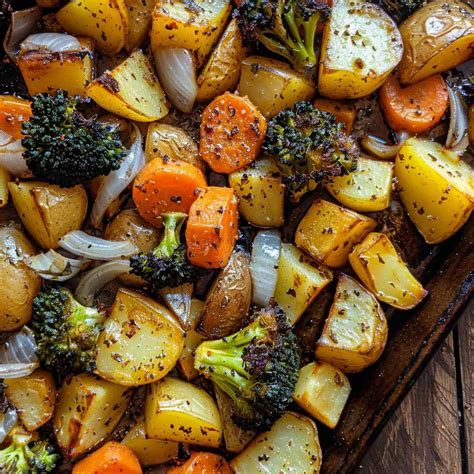
For even browning and crispiness, flip your vegetables halfway through the roasting time. This ensures all sides get direct contact with the hot pan and exposure to the oven’s heat. You might also rotate the pan in the oven, especially if your oven has hot spots.
Troubleshooting and Extra Tips
- Parchment Paper vs. Foil: While both can be used, parchment paper is excellent for preventing sticking and allowing better air circulation, contributing to crispiness. Foil can sometimes trap moisture.
- Cut Uniformly: Ensure your vegetable pieces are roughly the same size to promote even cooking.
- Don’t Under-Roast: Sometimes, the secret is simply giving them enough time. Roasting until deeply golden brown and tender-crisp often takes longer than you might initially think.
By following these steps – from meticulous drying to strategic spacing and high-heat roasting – you’ll consistently achieve perfectly crispy, flavorful roasted vegetables that are anything but soggy. Enjoy the crunch!