Secret to visually vibrant, non-soggy meal prep veggies for real foodies?
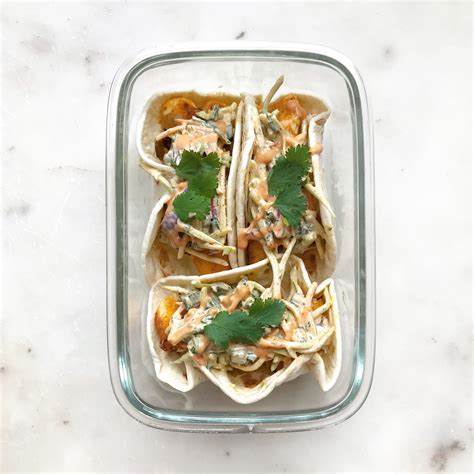
For any true foodie, the idea of meal prepping evokes a mix of excitement and dread. Excitement for the promise of healthy, convenient meals; dread for the all-too-common reality of sad, soggy, and visually unappealing vegetables. You’ve spent time and effort, only for your beautiful broccoli florets to turn limp, your vibrant bell peppers to lose their crunch, and your leafy greens to wilt into an unappetizing mess. But what if there was a secret to preserving that garden-fresh vibrancy and satisfying crunch?

Understanding the Veggie Vexation: Why They Suffer
The primary culprits behind mushy, dull meal prep vegetables are often simple: overcooking, improper cooling, and poor storage. Vegetables, rich in water content and delicate cell structures, easily succumb to heat and time. Overcooking breaks down cell walls, releasing moisture and leading to a soggy texture. Then, if not cooled rapidly, they continue to cook from residual heat, further compromising their integrity.
The Real Foodie’s Blueprint for Brilliant Veggies
1. Choose Wisely: The Right Veggies for the Job
Not all vegetables are created equal when it comes to meal prep longevity. Opt for heartier, less water-dense options that hold up well. Good choices include broccoli, cauliflower, carrots, bell peppers, green beans, Brussels sprouts, and sturdy greens like kale or Swiss chard. Delicate greens like spinach are best added fresh or lightly blanched just before serving.
2. Master the Cook: Al Dente is Your Mantra
The golden rule for meal prep vegetables is to cook them just enough—until they are “al dente,” meaning tender-crisp. They should still have a slight bite and bright color. This prevents them from becoming mushy later. Different cooking methods yield different results:
- Blanching & Shocking: For green vegetables like broccoli, asparagus, and green beans, a quick blanch (boiling for 1-2 minutes) followed immediately by an ice bath is a game-changer. This locks in color, stops the cooking process, and preserves crunch.
- Roasting: High-heat roasting (400-425°F or 200-220°C) with minimal oil until slightly caramelized but still firm is excellent for root vegetables, Brussels sprouts, and cauliflower. Avoid overcrowding the pan to ensure proper browning, not steaming.
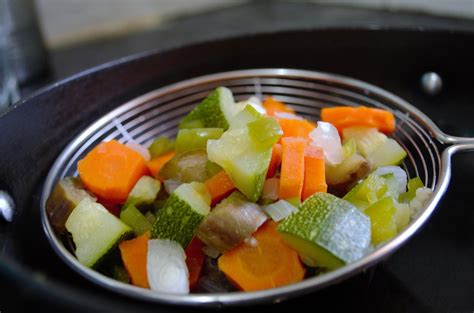
- Steaming: Gentle steaming preserves nutrients. Again, steam until just tender-crisp.
- Sautéing: For onions, peppers, or mushrooms, sauté quickly over medium-high heat until slightly softened but still vibrant.
3. Cool Down, Fast: The Chilling Truth
This step is crucial. After cooking, spread vegetables in a single layer on a baking sheet or wide platter to cool quickly and completely. Never pack warm vegetables into containers; condensation will form, turning them soggy and creating a breeding ground for bacteria. Ensure they are fully chilled, ideally within an hour, before moving to storage.
4. Strategic Storage: Airtight and Dry
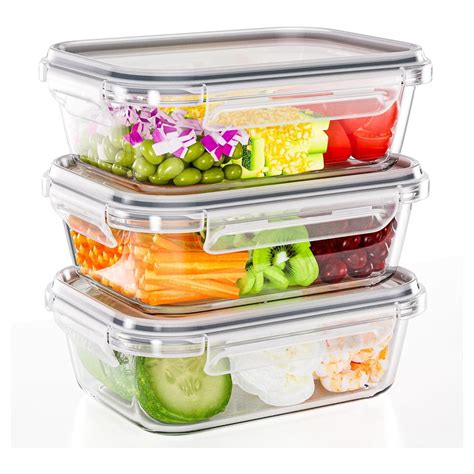
- Airtight Containers: Use quality airtight containers to minimize exposure to air, which can cause oxidation and wilting.
- Separate Storage: Store different types of cooked vegetables separately if possible, especially those with varying moisture levels.
- Paper Towel Trick: For leafy greens or vegetables prone to releasing moisture, line the bottom of your container with a paper towel to absorb excess condensation. Change it every day or two if needed.
- Add-Ins Last: Dressings, sauces, or high-moisture ingredients (like tomatoes or cucumbers) are best added right before serving to prevent sogginess.
Specific Veggie Wisdom for Meal Prep
- Broccoli & Cauliflower: Blanch and shock or roast until tender-crisp. Store dry.
- Bell Peppers & Carrots: Can be prepped raw (sliced, diced) or lightly roasted. Store in an airtight container with a paper towel.
- Green Beans & Asparagus: Blanch and shock.
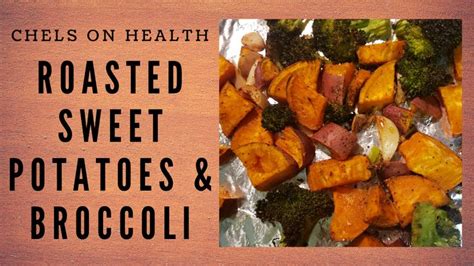
- Sweet Potatoes & Butternut Squash: Roast until tender but firm. They hold up very well.
- Leafy Greens (Kale, Collards): Can be sautéed lightly or massaged raw if using in salads. For spinach, consider adding fresh.
Revitalization and Presentation
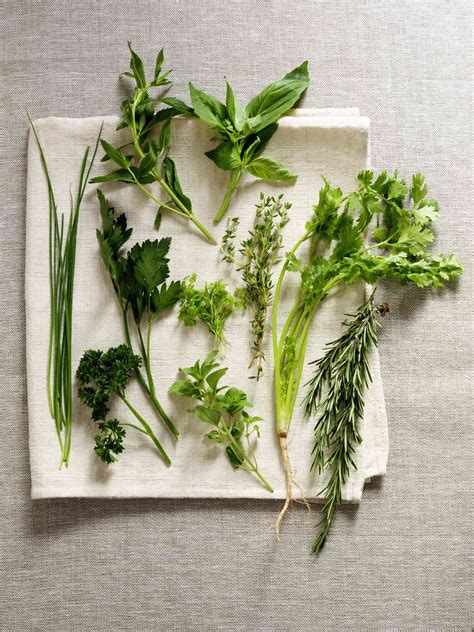
Even with the best prep, sometimes a little refresh is needed. A quick pan-fry with a touch of olive oil or a splash of broth can bring back life to slightly tired roasted vegetables. Fresh herbs, a squeeze of lemon, or a sprinkle of flaky sea salt added just before eating can dramatically enhance flavor and visual appeal, turning a good meal into a great one.
Transforming your meal prep vegetables from sad to spectacular is entirely achievable with a few thoughtful techniques. By understanding how to properly cook, cool, and store your produce, you can ensure every forkful is as vibrant, flavorful, and satisfying as if it were freshly made. Embrace these secrets, and elevate your meal prep game to truly foodie-worthy standards!