Secrets for gorgeous food styling on everyday healthy recipes?
In a world where we eat with our eyes first, making healthy food look appealing is crucial for encouraging better eating habits. Gone are the days when ‘healthy’ meant bland and boring presentation. With a few simple food styling techniques, you can transform your everyday nutritious meals into visually stunning dishes that rival those from a gourmet restaurant. It’s not about spending hours, but about thoughtful touches that make a big impact.
Embrace the Power of Fresh Ingredients
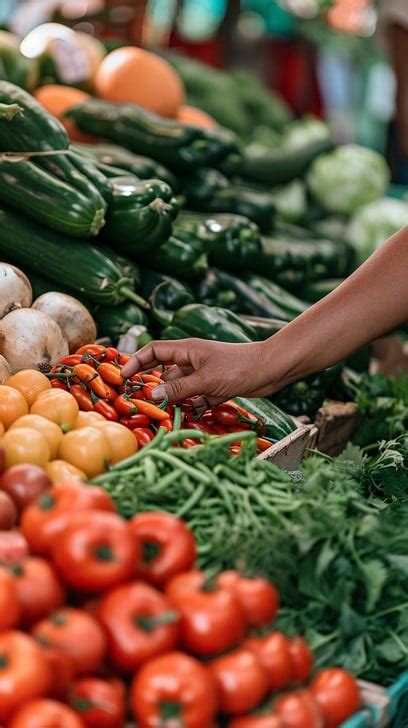
The foundation of any gorgeous dish, especially healthy ones, lies in the quality and freshness of your ingredients. Vibrant, crisp vegetables, ripe fruits, and lean proteins are naturally beautiful. When shopping, choose produce that looks its best – bright in color, firm to the touch, and free from blemishes. These inherent qualities will do most of the styling work for you.
Think about ingredients as your color palette. A mix of leafy greens, colorful bell peppers, cherry tomatoes, and purple cabbage can turn a simple salad or stir-fry into a feast for the eyes. Don’t be afraid to experiment with different varieties to add visual interest.
Master the Art of Plating
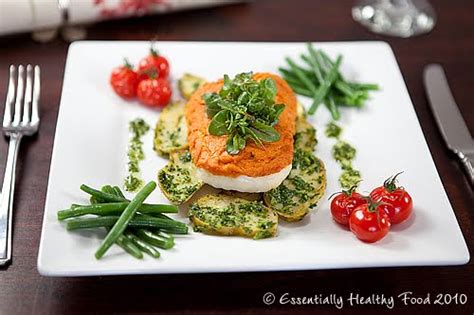
Plating is where the magic truly happens. Even the simplest healthy meal can look elegant with mindful arrangement. Start with a clean plate, preferably white, as it allows your food’s colors to pop. Think about the ‘rule of thirds’ often used in photography: imagine dividing your plate into three sections and place your main components strategically, leaving some negative space.
Instead of piling food high, spread it out a bit. Create a focal point, perhaps a perfectly seared piece of salmon or a mound of quinoa, and arrange other elements around it. Using odd numbers (e.g., three asparagus spears instead of two) can also create a more dynamic and aesthetically pleasing arrangement.
Play with Color and Texture
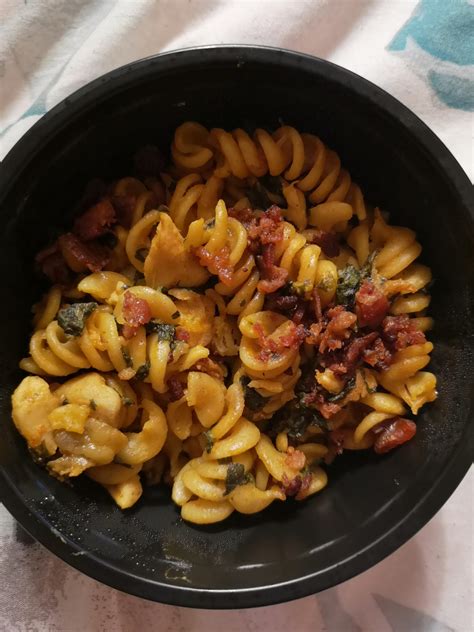
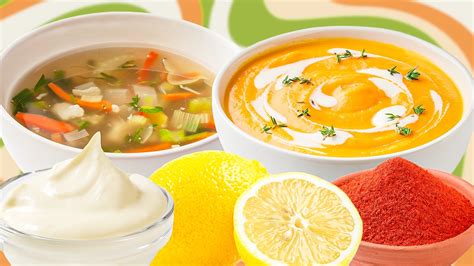
Contrast is key to making food visually appealing. Combine different colors and textures to prevent your dish from looking monolithic. If your main dish is uniformly colored, add a contrasting element. For example, a creamy soup can be brightened with a swirl of pesto or a sprinkle of crunchy croutons. A brown lentil dish could benefit from a vibrant green herb garnish or some bright red pomegranate seeds.
Don’t just think about the main components. Consider the textures – crunchy, soft, creamy, crisp – and how they can complement each other both in taste and appearance. A combination of smooth avocado, crisp radishes, and chewy grains makes a salad far more interesting than just a bowl of lettuce.
Utilize Simple Props and Natural Light
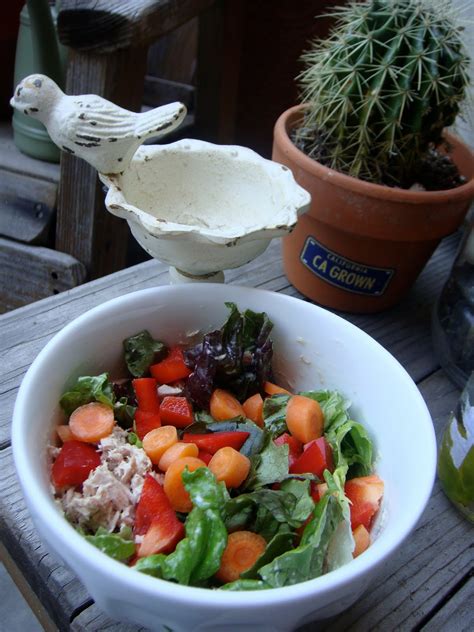
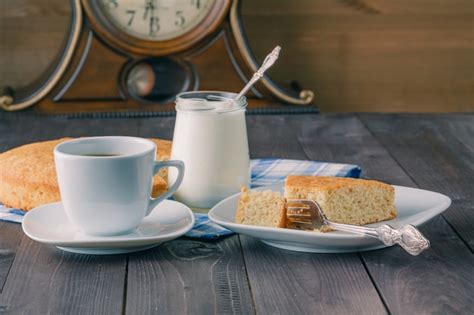
You don’t need a professional studio to style your food beautifully. Simple props found around your home can enhance the scene. A rustic wooden cutting board, a simple linen napkin, a charming ceramic bowl, or even an interesting fork can add character. Keep backgrounds uncluttered and neutral to ensure the food remains the star.
Perhaps the most important ‘prop’ is good lighting. Natural light is almost always best. Position your dish near a window, avoiding direct harsh sunlight which can create strong shadows. Soft, diffused light will make your food look fresh, inviting, and bring out its natural colors. Avoid using overhead kitchen lights, which can cast unflattering yellow tones.
Garnish with Gusto
Garnishes are the finishing touches that elevate a dish from good to gourmet. They add a final pop of color, texture, and often flavor. Think fresh herbs like parsley, cilantro, or chives finely chopped or as whole sprigs. A sprinkle of toasted nuts or seeds (sesame, chia, pumpkin) adds crunch and visual interest. A drizzle of a healthy oil (like extra virgin olive oil), a balsamic glaze, or a squeeze of fresh lemon juice can add shine and brightness.
The key to garnishing is not to overdo it. A little goes a long way. Place garnishes strategically to enhance the composition, drawing the eye to the focal point or adding a contrasting element. Think about how the garnish complements the overall dish.
Transforming your everyday healthy recipes into gorgeous culinary creations is an attainable skill. By focusing on fresh ingredients, thoughtful plating, playing with color and texture, utilizing simple props and natural light, and adding a touch of garnish, you can make every meal a delightful experience for both your taste buds and your eyes. Start small, practice these techniques, and soon you’ll be styling like a pro, making healthy eating more enjoyable and inspiring.