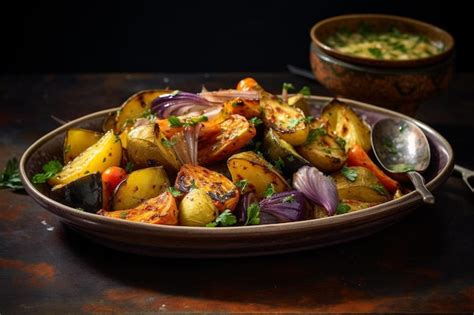


Secrets for perfectly roasted vegetables with beautiful caramelization every time?
Mastering the Art of Caramelized Roasted Vegetables
There’s a world of difference between merely cooked vegetables and those that have been transformed into sweet, savory, and slightly charred bites of culinary perfection. The key lies in achieving that coveted caramelization – a process that enhances natural sugars and deepens flavors. If your roasted vegetables often turn out soggy or dull, it’s time to unlock the secrets to consistent success.
It’s not just about tossing veggies with oil and throwing them in the oven; there are specific techniques that can elevate your roasting game from good to absolutely glorious. From the right type of vegetable to precise oven temperatures, every step plays a crucial role in developing that irresistible browned exterior and tender interior.
The Right Vegetables and Proper Preparation
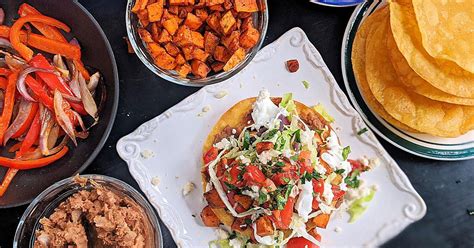
Not all vegetables are created equal when it comes to roasting. Root vegetables like carrots, parsnips, potatoes, and sweet potatoes, as well as cruciferous vegetables like broccoli, cauliflower, and Brussels sprouts, are excellent candidates due to their robust structure and natural sugars. Even onions, bell peppers, and zucchini can caramelize beautifully with the right approach.
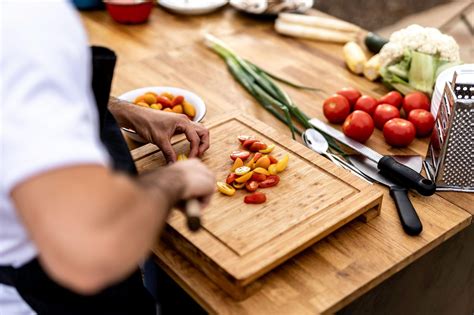
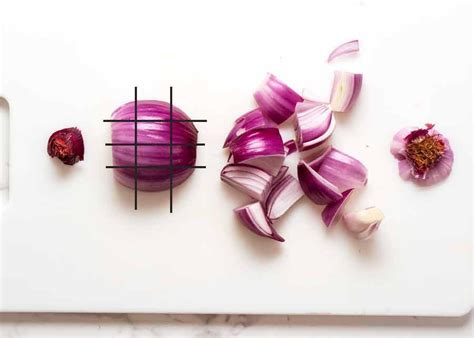
The first secret is proper preparation. Ensure all your vegetables are cut into uniform pieces. This guarantees even cooking and browning. If some pieces are tiny and others large, the small ones will burn while the large ones remain undercooked. Furthermore, make sure your vegetables are completely dry before tossing with oil. Moisture on the surface will steam the vegetables instead of allowing them to brown, hindering caramelization.
Oil, Seasoning, and Oven Temperature are Key
When it comes to fat, a high smoke point oil is essential. Olive oil is a popular choice, but avocado oil or grapeseed oil can also work well. Use just enough oil to lightly coat the vegetables – too much will make them greasy, and too little will prevent proper browning. Season simply with salt and freshly ground black pepper to enhance their natural flavors.
The oven temperature is perhaps the most critical factor. Aim for a high heat, typically between 400°F (200°C) and 425°F (220°C). This high temperature creates a superheated environment that quickly dries out the surface of the vegetables, allowing the Maillard reaction (the browning process) and caramelization to occur efficiently. Lower temperatures tend to steam the vegetables, resulting in a softer texture without the desired crisp exterior.
Don’t Crowd the Pan and Give Them Space
This is arguably the most common mistake home cooks make. When you overcrowd the baking sheet, the vegetables release steam, which then gets trapped. Instead of roasting, the vegetables end up steaming themselves, leading to a pale, mushy result rather than a beautifully caramelized one. Think of it like a sauna for your veggies – great for relaxation, bad for browning.
To ensure proper air circulation and direct contact with the hot pan, spread your vegetables in a single layer with plenty of space between each piece. If you have a large batch, use two baking sheets, or roast in batches. Patience is a virtue here, as a little extra time spent not overcrowding will yield vastly superior results.
The Power of the Hot Pan and Flipping
To maximize caramelization, preheat your baking sheet in the oven while it comes up to temperature. Placing cold vegetables on a hot pan creates an immediate sizzle and promotes browning from the moment they hit the surface. This technique gives your vegetables a head start on developing that coveted crust.

Mid-way through the roasting process (typically after 15-20 minutes, depending on the vegetable), give your vegetables a good toss or flip them with a spatula. This ensures even cooking and browning on all sides. You’ll often see distinct dark spots where they’ve made contact with the hot pan – those are flavor bombs!
Finishing Touches and Flavor Enhancers
While salt and pepper are often enough, don’t hesitate to experiment with other seasonings. A sprinkle of garlic powder, onion powder, paprika, or herbs like rosemary and thyme can add another layer of flavor. For an extra punch of sweetness and acidity, a drizzle of balsamic glaze or a squeeze of lemon juice after roasting can brighten and balance the rich, caramelized notes.
Achieving perfectly roasted, beautifully caramelized vegetables every time is a skill that comes with practice, but by following these simple yet crucial secrets – proper preparation, high heat, ample spacing, and a hot pan – you’ll be creating culinary masterpieces that are tender, flavorful, and irresistibly browned, transforming your everyday meals into something extraordinary.