
Secrets for vibrant dish plating & beautiful recipe presentation?

Transforming Your Plate into a Work of Art
In the culinary world, taste is paramount, but presentation is the first bite. A beautifully plated dish can elevate the dining experience, making even simple recipes feel gourmet. Mastering the art of vibrant dish plating and recipe presentation isn’t just for professional chefs; it’s a skill anyone can develop to impress guests, enhance meal enjoyment, and make their food photos truly pop.
The Foundations of Beautiful Plating
Before you even pick up a spoon, consider the elements that make a dish visually appealing. It’s all about balance, contrast, and thoughtful arrangement.
1. Color and Contrast
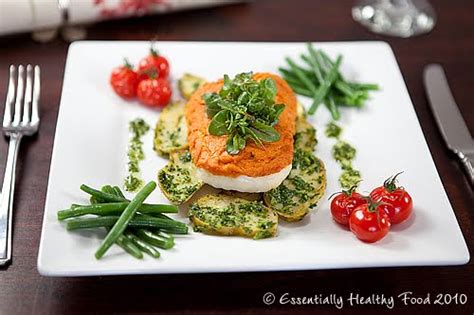
A vibrant plate is a colorful plate. Think about complementary colors and how they interact. Bright greens from herbs, reds from tomatoes, yellows from citrus, and rich browns from roasted meats all contribute to a dynamic visual. Avoid monochromatic plates unless it’s intentionally minimalistic; aim for a palette that excites the eyes.
2. Texture and Variety
Just as important as color is texture. A plate full of soft, mushy ingredients can be unappealing. Incorporate contrasting textures: crispy elements like croutons or fried onions, creamy purees, crunchy nuts, and tender proteins. This not only adds visual interest but also makes each bite more engaging.
3. Height and Dimension
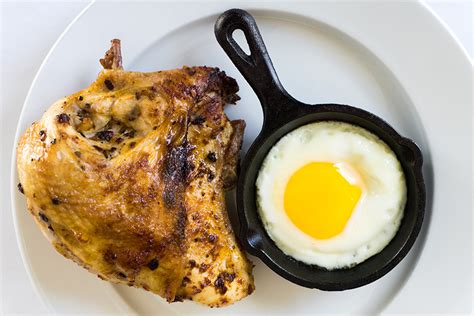
Flat plates can look dull. Add height to your dishes by stacking ingredients, creating small mounds of grains or vegetables, or leaning components against each other. This creates a more dynamic, three-dimensional look. Think about creating a focal point rather than spreading everything out evenly.
4. Negative Space
Don’t overcrowd the plate. Negative space, the empty area around your food, is crucial. It allows each component to breathe and be appreciated, preventing the plate from looking cluttered. Aim for about two-thirds of the plate to be food and one-third to be empty.
Practical Techniques for Stunning Presentation
Garnishes: The Finishing Touch
Garnishes are not just for show; they can add flavor, aroma, and a final burst of color. Fresh herbs (parsley, cilantro, chives), citrus zest, edible flowers, a drizzle of high-quality oil, or a sprinkle of spices can transform a dish. Always choose garnishes that complement the dish’s flavor profile.
Sauces and Drizzles: Artistic Accents
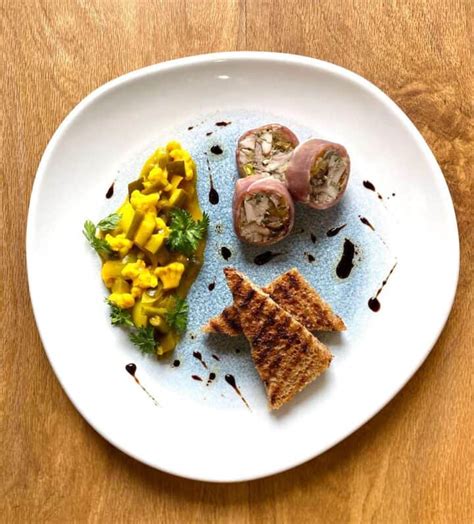
Sauces can be used artistically. Instead of simply pouring sauce over everything, consider precise drizzles, swipes, or dots on the plate. A squeeze bottle or a spoon can be your best friend here. Create patterns, spirals, or abstract designs that enhance the dish without overwhelming it.
Strategic Placement: The Rule of Odds
When arranging components, try using the “rule of odds.” An odd number of items (e.g., three scallops instead of two) is often more visually appealing and dynamic than an even number. Place main components first, then build around them with sides and garnishes.
Elevating Recipe Presentation for Sharing
When presenting recipes, especially for blogs or social media, photography becomes a key element. A beautifully plated dish needs to be captured effectively.
Lighting is Everything
Natural light is your best friend. Position your dish near a window, avoiding direct harsh sunlight, which can create strong shadows. Soft, diffused light highlights textures and colors beautifully.

Props and Backgrounds
A simple, uncluttered background allows your food to be the star. Use neutral-colored plates, cutting boards, or linens. Thoughtfully chosen props like vintage cutlery, a sprig of the herb used in the dish, or a rustic napkin can add context and charm without distracting.
Angle and Focus
Experiment with different angles. Overhead shots (flat lays) work well for dishes with many components, while a 45-degree angle can show off height and dimension. Ensure your main subject is in sharp focus, with a pleasing depth of field that subtly blurs the background.

Conclusion: The Art of Edible Beauty
Transforming your meals into visual feasts is a rewarding endeavor. By paying attention to color, texture, height, and negative space, and by utilizing thoughtful garnishes and photographic techniques, you can turn every dish into a beautiful presentation. Practice makes perfect, so don’t be afraid to experiment and find your unique plating style. Happy cooking and happy creating!