Secrets to extending fresh produce life for vibrant, waste-free foodie meals?

Unlock the Longevity of Your Fresh Produce
There’s nothing quite like the vibrant colors and crisp textures of fresh produce to elevate a meal. Yet, the heartbreak of wilted greens, moldy berries, or soft vegetables often leads to unnecessary food waste and a dent in your grocery budget. What if you could significantly extend the life of your fruits and vegetables, ensuring every ingredient contributes to delicious, waste-free foodie meals? The good news is, with a few clever strategies, you absolutely can!
Embracing smart produce preservation isn’t just about saving money; it’s about making the most of your culinary efforts, reducing your environmental footprint, and always having peak-condition ingredients at your fingertips. Let’s dive into the secrets that professional chefs and savvy home cooks use to keep their produce fresher, longer.
The Foundation: Smart Shopping and Initial Care
The journey to long-lasting produce begins even before you get home. Being mindful at the grocery store and implementing immediate best practices sets the stage for success.
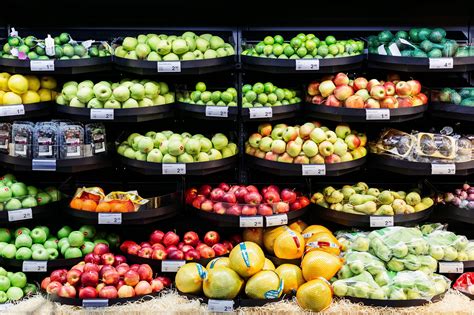
- Choose Wisely: Opt for produce that looks and feels firm, free of blemishes, and vibrant in color. Bruises are often the first sign of spoilage.
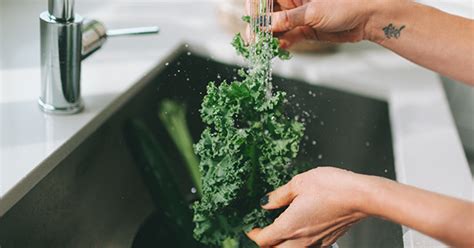
- Don’t Wash Until Ready: Water can accelerate spoilage, especially for berries and leafy greens. Wash your produce right before you plan to use it, not when you bring it home.
- Handle with Care: Treat your produce gently. Bruising breaks down cell walls, inviting decay. Transport delicate items in separate bags or containers.

Tailored Storage Solutions for Different Produce Types
One size does not fit all when it comes to storing fruits and vegetables. Understanding their unique needs is key.
Leafy Greens & Herbs: Crispness is King
Leafy greens and fresh herbs are notorious for wilting quickly. To prolong their life:
- Wrap and Refrigerate: For greens like lettuce, spinach, or kale, wash if desired (but dry thoroughly!) then wrap them loosely in a paper towel before placing them in an airtight container or a sealed plastic bag. The paper towel absorbs excess moisture, preventing sliminess.
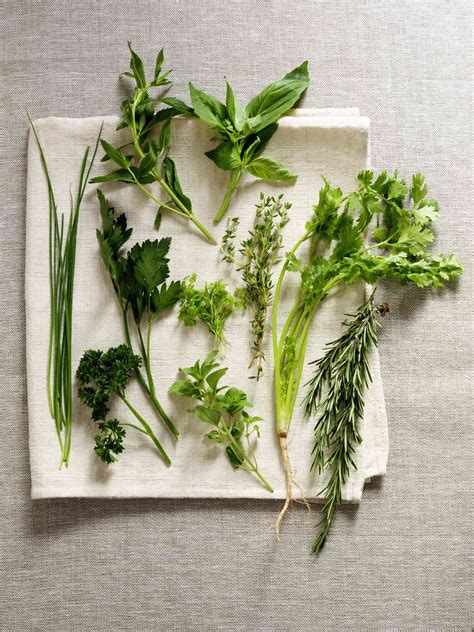
- Herb Bundles: Treat delicate herbs like cilantro and parsley like a bouquet of flowers. Trim the stems, place them in a glass with an inch of water, and cover loosely with a plastic bag before refrigerating. Heartier herbs like rosemary or thyme can be wrapped in a damp paper towel and stored in a bag.

Fruits: The Ethylene Effect
Some fruits, known as climacteric fruits, release ethylene gas as they ripen, which can accelerate the ripening (and spoilage) of other sensitive produce.
- Separate Ethylene Producers: Keep apples, bananas, avocados, peaches, and tomatoes away from ethylene-sensitive items like berries, broccoli, leafy greens, and cucumbers.
- Berries Best Practices: Store unwashed berries in their original containers or in a breathable container in the refrigerator. If you notice a moldy berry, remove it immediately to prevent spread.
- Citrus Savvy: Lemons, limes, and oranges can be stored on the countertop for about a week, or in the refrigerator for up to three weeks for longer shelf life.
Root Vegetables & Alliums: Cool, Dark, and Dry
Potatoes, onions, garlic, and sweet potatoes prefer a cool, dark, and dry pantry. Avoid refrigerating potatoes, as it can convert their starch to sugar, affecting flavor and texture. Onions and potatoes should also be stored separately, as onions release gases that can sprout potatoes.
Revitalization & Creative Uses for Slightly Past-Prime Produce
Even with the best intentions, sometimes produce starts to look a little tired. Don’t toss it immediately!
- Revive Wilting Greens: A quick ice water bath can often bring wilted lettuce or herbs back to life. Submerge them for 15-30 minutes, then pat dry.
- Soup, Smoothies, and Stock: Slightly soft vegetables (carrots, celery, bell peppers) are perfect for soups, stews, or blending into smoothies. Fruit that’s a bit too ripe can be frozen for future smoothies or made into jams. Vegetable scraps (onion skins, carrot tops, herb stems) are gold for homemade vegetable stock.
- Freezing for Future: Blanch and freeze many vegetables (broccoli, green beans, peas) for long-term storage. Fruits can often be frozen whole or sliced, perfect for baking or smoothies.
Embrace a Waste-Free Kitchen
Extending the life of your fresh produce is a powerful way to enhance your cooking, save money, and contribute to a more sustainable lifestyle. By understanding the unique needs of each fruit and vegetable, implementing smart storage solutions, and getting creative with slightly past-prime ingredients, you’ll be well on your way to vibrant, waste-free foodie meals every day. Start small, experiment with these tips, and watch your kitchen transform into a hub of freshness and efficiency.