Secrets to making everyday recipes visually stunning for your food feed?

Elevate Your Everyday: The Art of Visual Food Storytelling
In the bustling world of social media, where feeds are flooded with culinary delights, simply cooking a delicious meal isn’t always enough to capture attention. To truly make your everyday recipes shine and garner engagement, you need to master the art of visual presentation. Transforming a simple home-cooked dish into a visually stunning masterpiece is more accessible than you might think. It’s about understanding a few key principles that can dramatically enhance your food photography and make your audience crave a bite.
This article will guide you through the essential secrets, from plating techniques to lighting tricks, that will help you create a scroll-stopping food feed, turning ordinary meals into extraordinary visual feasts.
The Foundation: Thoughtful Plating and Garnishing
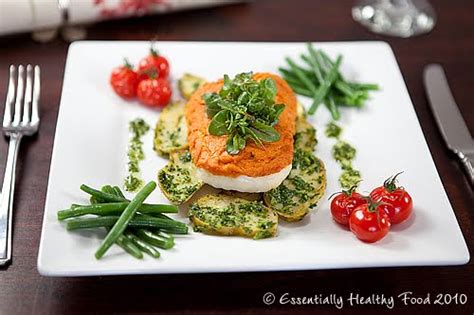
Before you even think about your camera, the magic begins on the plate. Thoughtful plating is the cornerstone of stunning food photography. Start with a clean, simple plate that complements, rather than competes with, your food. Consider the ‘rule of thirds’ – imagine your plate divided into nine sections and place your main elements at the intersections for a balanced, appealing look. Create height and dimension by stacking ingredients where appropriate, but avoid overcrowding.
Garnishes are not merely decorative; they add freshness, color, and texture that can elevate a dish from drab to fab. Fresh herbs like parsley, cilantro, or mint, a sprinkle of toasted seeds, a dollop of a contrasting sauce, or a wedge of citrus can provide that crucial pop of color and visual interest. Remember to choose garnishes that are relevant to the dish’s flavor profile.
Mastering the Light: Your Best Friend for Food Photos
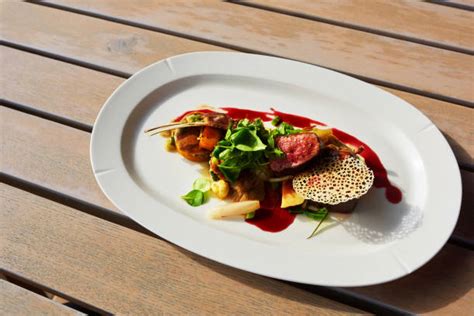
No amount of styling can save a poorly lit photograph. Light is arguably the most critical element in food photography. Natural light is almost always your best bet. Position your dish near a window, ideally with soft, diffused daylight. Avoid direct sunlight, which can create harsh shadows and blow out highlights. If direct sun is unavoidable, use a sheer curtain or diffuser to soften it.
Backlight (light coming from behind the dish) or sidelight (light coming from the side) often works best to highlight textures and create a beautiful glow. Experiment with angles and use a simple white or reflective board opposite your light source to bounce light back onto the dish, filling in shadows and brightening your food. Avoid using your camera’s built-in flash at all costs; it typically flattens the image and creates unflattering reflections.

Strategic Props and Harmonious Backgrounds
The background and props surrounding your food can significantly impact the overall aesthetic of your image. Simplicity is key. Opt for neutral, uncluttered backgrounds – a wooden table, a plain linen cloth, or a simple textured surface can work wonders. Avoid busy patterns or distractions that draw attention away from your main subject.
Props should enhance the story of your food, not overpower it. Think about items that relate to the dish or cooking process: a rustic fork, a crumpled napkin, a sprig of the herb used in the recipe, or a half-eaten slice of bread. Choose props with complementary colors and textures, and don’t be afraid to leave some negative space around your dish; it allows the food to breathe and become the undisputed star.
Playing with Color and Texture Contrast
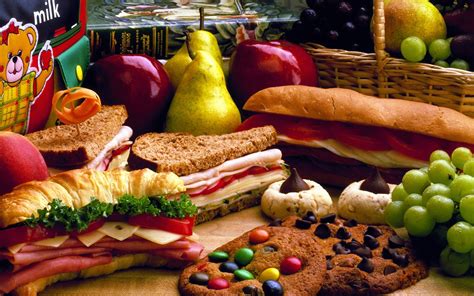
Visually stunning food often involves a dynamic interplay of colors and textures. Think about how different components of your dish can contrast to make each element pop. A vibrant green herb against a creamy white sauce, or the crispy edges of roasted vegetables next to a tender piece of meat, creates immediate visual interest. Don’t be afraid to introduce a splash of bright color, whether it’s through a colorful vegetable, a fruit garnish, or even a brightly colored plate if used judiciously.
Texture adds depth and makes a dish look more appealing and appetizing. Highlight the crispiness of a fried element, the smoothness of a purée, or the flakiness of a pastry. These tactile cues, even in a two-dimensional image, can evoke a strong sensory response in your viewers.

Angles and Composition: Telling Your Food’s Story
The angle from which you shoot your food can completely change its impact. Experiment with different perspectives to find the most flattering view. A top-down (flat lay) shot works wonderfully for dishes with beautiful patterns or ingredients arranged creatively, like salads, pizzas, or bowls. A 45-degree angle is versatile and mimics how we typically view food at a table, great for showcasing height and depth.
For dishes with impressive layers or towering elements, like burgers or cakes, a straight-on eye-level shot can be incredibly impactful. Remember composition principles like leading lines, framing, and the rule of thirds. Don’t be afraid to get in close for detail shots that highlight specific textures or ingredients, adding an intimate touch to your feed.

Conclusion: Practice Makes Perfect
Making everyday recipes visually stunning for your food feed is an art that combines culinary skill with basic photography and styling principles. By paying attention to plating, harnessing natural light, choosing strategic props, leveraging color and texture, and experimenting with angles, you can transform your home cooking into gallery-worthy content. Start small, experiment with different dishes and setups, and most importantly, have fun with the process. With a little practice and an eye for detail, your food feed will soon become a delicious source of inspiration for your followers.