Secrets to perfectly chopped aromatics for pro-level dish aesthetics?

The Unsung Heroes of Flavor and Presentation
In the culinary world, perfectly chopped aromatics are more than just flavor builders; they are the unsung heroes that lay the foundation for a dish’s success, both in taste and presentation. Think of a restaurant-quality meal – it’s not just delicious, it’s visually stunning. A significant part of that aesthetic often comes down to the meticulous preparation of ingredients, especially the humble onion, garlic, or sprig of parsley.
While often overlooked by home cooks, consistent and precise chopping of aromatics is a hallmark of professional-level cooking. It ensures even cooking, balanced flavor distribution, and, crucially, a refined, clean look on the plate. No one wants to find a large, unwieldy chunk of onion disrupting an otherwise elegant sauce or stir-fry.

Why Consistency is Key for Aesthetics and Flavor
The impact of consistent chopping extends far beyond mere appearance. When all pieces of an aromatic, say an onion or bell pepper, are roughly the same size, they cook at the same rate. This prevents some pieces from burning while others remain raw, leading to a more harmonious flavor profile and superior texture in the finished dish.
Beyond Flavor: The Visual Impact
From an aesthetic perspective, uniformity is paramount. Imagine a vibrant salsa with perfectly diced tomatoes, onions, and cilantro – it’s inviting and speaks to the care taken in its preparation. Contrast that with a salsa containing uneven, ragged cuts; it immediately looks less appealing and less professional. Precision chopping creates clean lines, allows for elegant garnishing, and contributes to an overall sense of order and artistry on the plate.
Essential Tools for Precision Chopping
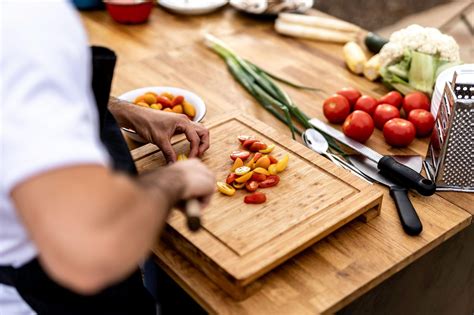
Achieving perfectly chopped aromatics starts with the right tools and, more importantly, understanding how to use them safely and effectively.
- Sharp Chef’s Knife: This is your primary workhorse. A sharp knife requires less force, leading to cleaner cuts and significantly reducing the risk of slippage and injury.
- Sturdy Cutting Board: A stable, non-slip surface is crucial for safety and efficiency. Wood or high-density plastic boards are ideal.
- Paring Knife: Useful for smaller, more delicate tasks like peeling garlic or trimming herbs, though a chef’s knife can often do the job too.
Mastering the Chop: Techniques for Common Aromatics
Onions: The Foundation of Many Dishes
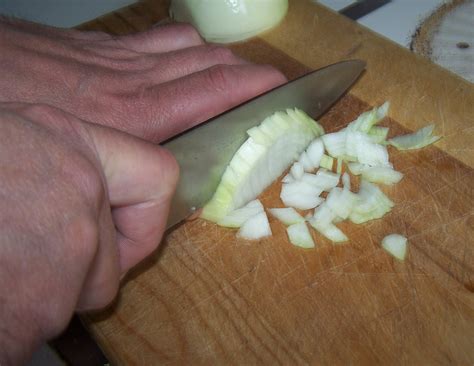
Dicing an onion consistently is a foundational skill. Start by halving the onion lengthwise through the root end. Peel, then place the cut side down. Make horizontal cuts parallel to the cutting board, ensuring you don’t cut through the root end. Next, make vertical cuts from the top down, again stopping before the root. Finally, slice across these cuts to create perfectly uniform dice.
Garlic: Aromatic Powerhouse
For fine minced garlic, first smash the clove with the flat side of your knife to loosen the skin. Peel, then coarsely chop. Gather the chopped garlic and, using a rocking motion with your chef’s knife, continue chopping until it reaches your desired fineness. For an even paste, sprinkle a pinch of salt on the garlic and scrape the side of your knife over it.
Fresh Herbs: Brightness and Garnish
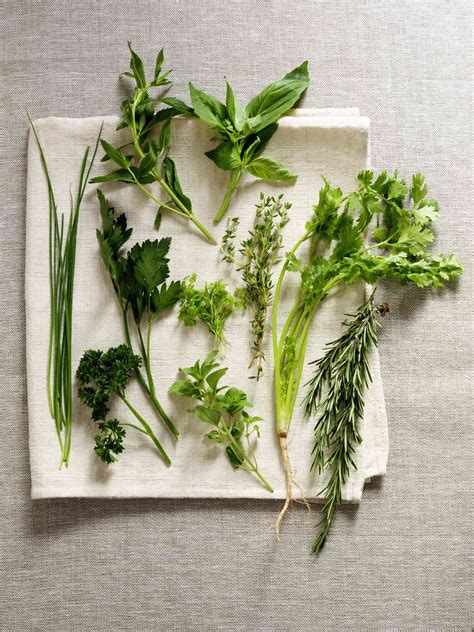
For leafy herbs like basil or mint, a ‘chiffonade’ cut is elegant. Stack several leaves, roll them tightly like a cigar, and slice thin ribbons. For other herbs like parsley or cilantro, gather a bunch, hold them firmly, and finely chop using a rocking motion, rotating and regathering as needed until uniformly minced.

The Art of the “Claw” and Other Knife Grips
Proper knife grip and hand positioning are essential for both safety and precision. The ‘claw’ grip, where your fingertips are tucked under and your knuckles guide the blade, protects your fingers while allowing the knife to move smoothly. Hold the knife handle firmly but relaxed, with your thumb and forefinger gripping the blade near the bolster for maximum control. Practice these grips, and your chopping speed and consistency will dramatically improve.

From Chopping Board to Plate: The Pro Touch
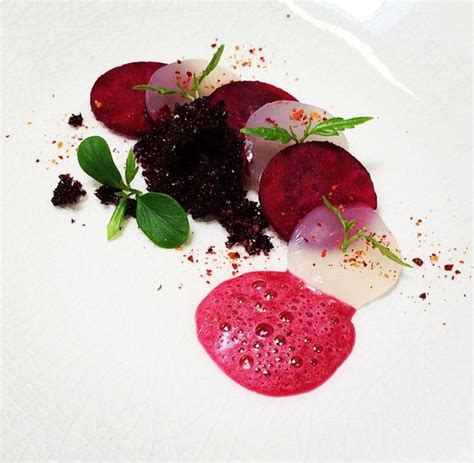
When your aromatics are uniformly chopped, they integrate beautifully into any dish. They contribute their flavor and texture without standing out as distracting, oversized elements. This level of detail elevates a home-cooked meal to one that rivals professional restaurant dishes, not just in taste, but in its overall presentation and appeal. A dish where every component feels intentionally placed and prepared simply looks and tastes better.
Conclusion: Practice Makes Perfect
Mastering the art of perfectly chopped aromatics takes practice, but it’s an investment that pays dividends in every meal you prepare. Start with simple tasks, focus on consistency over speed, and always prioritize safety. With a sharp knife, a steady hand, and a little patience, you’ll soon be creating dishes that not only taste incredible but also boast a professional-level aesthetic that will impress any diner.