Secrets to plating visually stunning recipes for your foodie feed?

The Art of Edible Aesthetics: Elevating Your Home Cooking
In today’s visually-driven world, a dish isn’t truly enjoyed until it’s been seen, admired, and often, shared. For every passionate foodie with a bustling social media feed, the presentation of a meal is just as crucial as its taste. Mastering the art of food plating can transform a simple home-cooked meal into a culinary masterpiece, inviting double-taps and envious comments. It’s about more than just making food look pretty; it’s about enhancing the dining experience and telling a story with every carefully placed ingredient.
Understanding the Fundamentals of Plating
Before you start rearranging your dinner, it’s essential to grasp the core principles that professional chefs employ. Think of your plate as a canvas, and your food as the paint. The goal is to create balance, harmony, and visual interest.
Color, Texture, and Contrast
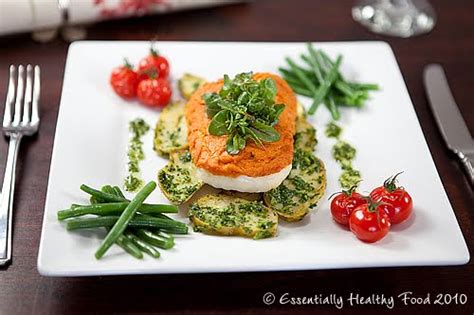
A vibrant dish is an appealing dish. Incorporate a variety of colors through fresh ingredients like herbs, colorful vegetables, and sauces. Pay attention to texture; smooth purees next to crispy components, or soft proteins alongside crunchy garnishes, create an engaging mouthfeel and visual dynamic. Contrast is key – dark elements against light, smooth against rough, to prevent a monotonous appearance.
Balance, Proportion, and Negative Space
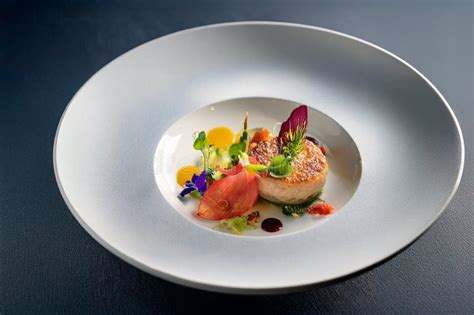
Don’t overcrowd the plate. Think about the ‘rule of thirds’ from photography, positioning your main elements off-center. Aim for odd numbers when arranging smaller items, as they tend to be more visually appealing. Negative space, the empty area on your plate, is crucial; it allows the components to breathe and stand out, giving the eye a place to rest.
Essential Plating Techniques for Home Cooks
Ready to get hands-on? These techniques are easily adaptable for any home kitchen and can significantly elevate your plating game.
Building Height and Dimension
Flat food can be boring. Think vertically! Stack components carefully – a bed of grains supporting a protein, topped with a vibrant garnish. Use ring molds to create neat towers of rice, quinoa, or vegetables, then gently remove for a perfectly circular base.
Saucing and Drizzling with Precision
Sauce isn’t just for flavor; it’s for art. Instead of pouring, try swiping a spoonful of sauce across the plate, creating an elegant backdrop. Or use a squeeze bottle to create precise dots, lines, or abstract patterns. Control is paramount here; too much sauce can obscure your carefully arranged components.
Garnishing with Purpose
Garnishes should complement, not overpower, your dish. Fresh herbs like parsley, cilantro, or microgreens add color and freshness. Edible flowers bring a touch of elegance. A sprinkle of toasted nuts or seeds can add texture and visual appeal. Ensure every garnish serves a purpose, whether aesthetic or flavorful.
Tools of the Trade (and How to Use Them)
You don’t need a professional kitchen setup to plate like a pro. A few key items can make a world of difference.
The Right Plate is Your Canvas
Choose your plates wisely. White plates often make colors pop, while darker plates can create dramatic contrast. Consider the shape – round, square, or rectangular – to complement the dish. Ensure the plate size is appropriate; too large and the food looks sparse, too small and it looks cramped.
Precision Tools for Finesse
A simple squeeze bottle (for sauces), a pair of culinary tweezers or small tongs (for placing delicate garnishes), and a palette knife or offset spatula (for spreading purées or lifting components) can become your best friends. These tools allow for meticulous placement, giving your dish that polished, professional look.
Practice Makes Perfect: Tips for Your Foodie Feed
Once your masterpiece is plated, it’s time to capture it for your followers. Great plating goes hand-in-hand with great food photography.
Lighting and Background are Key
Always use natural light when possible. Position your dish near a window, but avoid direct harsh sunlight. A simple, uncluttered background (a plain table, a wooden board, or a neutral tablecloth) will ensure your food remains the star of the show. Distracting backgrounds will detract from your plating efforts.
Compose for the Camera
Experiment with angles. A top-down shot works well for round dishes or patterns, while a 45-degree angle often highlights height and dimension. Focus sharply on the main subject. Don’t be afraid to take multiple shots from different perspectives until you find the most flattering angle.
Tell a Story
Consider the narrative of your dish. Does the plating evoke a specific cuisine, season, or feeling? The overall presentation, from the dish itself to the surrounding props (if any), contributes to the story you’re telling on your foodie feed.
Elevate Your Culinary Story
Plating is an extension of cooking – an art form that transforms ingredients into an experience. By understanding the fundamentals of color, texture, balance, and employing simple techniques like building height and precise saucing, you can elevate your home-cooked meals from delicious to dazzling. Don’t be afraid to experiment, practice, and let your creativity shine through. Your foodie feed (and your dinner guests) will thank you for it!