Seeking visual inspiration to transform simple ingredients into gourmet meals?

Have you ever gazed at a beautifully plated dish online or in a magazine and wondered how something so simple could look so extraordinary? The secret often lies not just in the ingredients or the cooking technique, but in the art of presentation. Transforming humble components into a gourmet masterpiece is an exciting culinary journey, and it all begins with a keen eye for visual inspiration.
The Power of Visuals in Gastronomy
In the world of food, we eat first with our eyes. A dish that looks appealing instantly whets the appetite, signaling care, creativity, and deliciousness. This is true whether you’re dining at a Michelin-starred restaurant or cooking a weeknight meal at home. Understanding the impact of visual appeal is the first step towards elevating your own kitchen creations from mundane to magnificent.
Where to Find Your Gourmet Muse
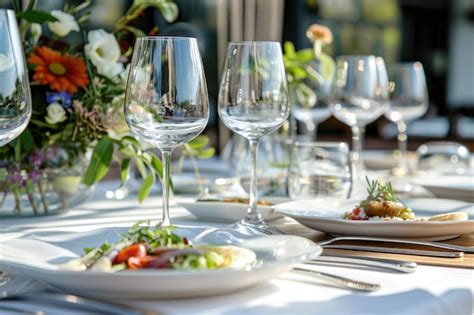
Visual inspiration is everywhere if you know where to look. Social media platforms like Instagram and Pinterest are treasure troves of stunning food photography, offering endless ideas for plating, color combinations, and garnishes. Follow chefs, food bloggers, and culinary artists who share their creations. Beyond the digital realm, classic cookbooks with high-quality photography, visits to local farmers’ markets for fresh ingredient ideas, and even dining out at restaurants can spark your imagination. Pay attention to how professional chefs arrange components on the plate, utilize negative space, and incorporate edible flowers or herbs.

Mastering the Art of Presentation
Once inspired, how do you translate that vision into your own dishes?
Plating with Purpose
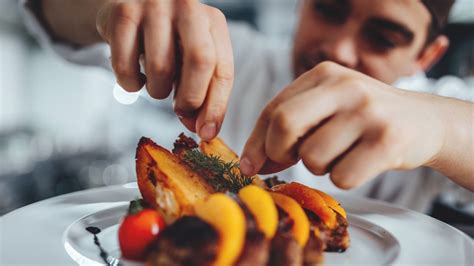
Think of your plate as a canvas. Consider the ‘rule of thirds’ or creating a focal point. Arrange main proteins, vegetables, and starches in an aesthetically pleasing manner, often grouping items or stacking them for height. Don’t overload the plate; leaving some empty space can make the dish appear more refined.
Color and Contrast
A vibrant palette makes food more enticing. Incorporate ingredients of different colors – think bright green herbs, red cherry tomatoes, and golden roasted potatoes – to add visual interest. Contrasting textures are equally important; pair crunchy elements with smooth purées, or crisp vegetables with tender proteins.
Garnishes: The Finishing Touch
Garnishes aren’t just for show; they can add flavor and aroma too. A sprinkle of fresh herbs, a drizzle of flavored oil, a dust of paprika, or a few toasted seeds can transform a simple dish. Microgreens, edible flowers, or a lemon zest curl can add a touch of elegance. Remember, less is often more with garnishes.
From Simple to Sophisticated: Practical Steps
Start small. Choose one simple ingredient – perhaps a perfectly cooked chicken breast or a humble bowl of pasta – and focus solely on how you can present it beautifully. Experiment with different plate shapes and sizes. Invest in a few basic plating tools like squeeze bottles for sauces or a pair of culinary tweezers. Practice makes perfect; the more you try, the more intuitive the process becomes. Remember, even the most basic ingredients like eggs, potatoes, or canned beans can be elevated with a thoughtful approach to presentation.
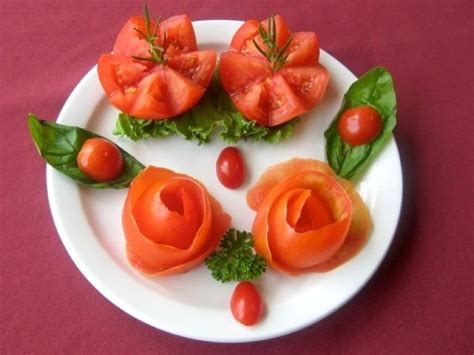
Embracing visual inspiration is a delightful way to add another dimension to your home cooking. It’s about seeing the potential in every ingredient, understanding the power of presentation, and allowing your creativity to flourish. So next time you’re in the kitchen, don’t just cook – create a feast for the eyes, and discover the gourmet chef within you!