Sharp knife secrets for precise foodie prep?

Unlocking Culinary Precision: The Power of a Sharp Knife
In the realm of serious home cooking and professional kitchens alike, the humble knife stands as an undisputed champion. Yet, its true potential is often overlooked, with many home cooks underestimating the transformative power of a truly sharp blade. Far from being a mere luxury, a sharp knife is the cornerstone of efficient, safe, and delicious food preparation, enabling precision cuts that elevate both the aesthetics and the taste of your dishes.

Safety First: Why Sharp Knives Are Safer
It might seem counterintuitive, but a sharp knife is significantly safer than a dull one. A dull blade requires more force to cut through food, increasing the risk of it slipping and causing injury. When a knife is sharp, it glides effortlessly, requiring minimal pressure and giving you greater control over each stroke. This precision reduces the chances of accidental slips and cuts, making your time in the kitchen much more secure.
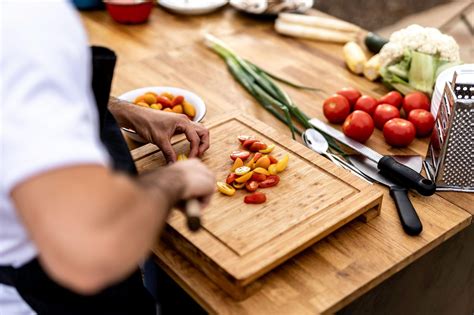
Beyond safety, sharpness is paramount for quality. Clean cuts preserve the integrity of ingredients, preventing bruising and allowing vegetables, fruits, and meats to cook more evenly and retain their juices better. Imagine slicing tomatoes so thin they are translucent, or dicing onions without crushing their delicate layers – this is the magic a sharp knife brings.
The Secrets to Sustained Sharpness: Honing vs. Sharpening
Many home cooks confuse honing with sharpening, but they are distinct processes crucial for maintaining your knives. Sharpening actually removes a small amount of metal from the blade, creating a new, finer edge. This is typically done with whetstones, pull-through sharpeners, or professional services when the knife has become truly dull.
Honing, on the other hand, realigns the microscopic edge of a blade that has bent slightly out of shape with regular use. A honing steel (or ceramic/diamond rod) doesn’t remove metal; it simply straightens the edge, restoring its cutting ability. Regular honing—ideally before or after every use—will significantly extend the time between full sharpenings.
Mastering the Tools: Whetstones, Rods, and Sharpeners
For serious precision, a whetstone (or sharpening stone) is often considered the gold standard. They come in various grits, allowing you to gradually refine the edge from coarse repairs to razor-sharp finishes. While they require some practice to master the correct angle, the results are unparalleled. Alternatively, high-quality electric or manual pull-through sharpeners offer a more user-friendly solution for consistent sharpening, though often at the cost of ultimate control.
Regardless of your sharpening method, remember that consistency in angle is key. Most Western knives have a blade angle between 15-20 degrees per side, while some Japanese knives are sharper, around 10-15 degrees. Maintaining this angle throughout the sharpening process is vital for an effective and durable edge.

Beyond the Edge: Proper Knife Care and Storage
A sharp knife won’t stay sharp if not properly cared for. Always wash your knives by hand immediately after use, avoiding dishwashers which can dull blades and damage handles. Dry them thoroughly to prevent rust. When it comes to storage, avoid tossing knives into a cluttered drawer where blades can hit each other and chip or dull. Magnetic knife strips, knife blocks, or in-drawer organizers are excellent options that protect the edge and keep your knives accessible.
Furthermore, your cutting surface plays a crucial role. Opt for forgiving materials like wood or high-density plastic cutting boards. Glass, stone, or ceramic boards are extremely hard on knife edges and should be avoided at all costs, as they will dull your blade almost instantly.

The Right Knife for the Right Task
While the focus is on sharpness, having the appropriate knife for the task also contributes to precision. A chef’s knife is a versatile workhorse, but a paring knife excels at intricate tasks, a bread knife tackles crusty loaves with ease, and a slicer makes quick work of roasts. Understanding and utilizing the specific design of each knife, coupled with its optimal sharpness, unlocks a new level of culinary artistry.
Embrace the Sharp Difference
Investing time in understanding and maintaining your knives is one of the most impactful steps you can take to improve your cooking. A sharp knife transforms food preparation from a chore into a joy, enhancing safety, efficiency, and the overall quality of your meals. Embrace these secrets, and you’ll soon experience the profound difference a truly sharp blade makes in your kitchen adventures.