Show me visual cues for perfect caramelization vs. burnt in recipes?

The Sweet Science of Caramelization
Caramelization is a fundamental culinary process that transforms the flavor, color, and aroma of sugar through heat. It’s responsible for the rich, nutty, and complex notes we adore in countless desserts, sauces, and even savory dishes. However, the line between perfectly caramelized and acridly burnt can be incredibly fine, making visual cues your most crucial guide.
This Maillard reaction (when involving proteins, but specifically caramelization for sugars) occurs when sugar is heated to high temperatures (typically 320°F/160°C and above), causing its molecules to break down and reform into hundreds of new compounds. This chemical dance creates the characteristic golden-brown color and irresistible flavor. Understanding what to look for at each stage is key to culinary success.
Visual Cues for Perfect Caramelization
Stage 1: Light Golden Amber
At its initial stage, sugar will melt and begin to turn a very pale golden color, similar to the hue of light honey or straw. You might start to notice small bubbles forming, and a faint, sweet, slightly nutty aroma will emerge. The consistency will be thin and liquid. This stage is delicate and offers a mild, sweet caramel flavor.
Stage 2: Medium Amber
This is often the sweet spot for many recipes. The sugar will deepen to a rich, glossy golden-brown, akin to a copper penny or maple syrup. Bubbling will be more pronounced. The aroma intensifies, becoming distinctly nutty and buttery, incredibly inviting. The consistency will thicken slightly, becoming more syrupy. Flavors at this stage are well-balanced – sweet with developing complexity and a hint of bitterness that enhances the overall taste.

Stage 3: Deep Amber to Mahogany
Pushing further, the caramel will become a deep, dark amber, bordering on a reddish-brown mahogany. The aroma will be robust and intensely caramelized, with a more pronounced bitter edge that provides depth without overwhelming sweetness. The texture will be thicker and glossier, moving towards a rich, viscous syrup. This stage is often desired for sauces that need a strong caramel flavor to stand up to other ingredients, but it requires extreme vigilance.
Spotting the Burn: When Caramel Goes Wrong
The transition from perfectly deep amber to burnt happens rapidly, often within seconds. Once the sugar passes its peak, it will quickly turn unpleasant.
Warning Sign 1: Dark Brown to Blackening
If you see the color darkening rapidly beyond a rich mahogany to a very dark brown or even black, you’ve likely gone too far. The sugar will stop bubbling as vigorously and might even start smoking. The beautiful nutty aroma will be replaced by a harsh, acrid, intensely bitter smell, reminiscent of burnt popcorn or coffee grounds. The consistency will become extremely thick and difficult to work with, hardening quickly into an unpleasantly brittle, charcoal-like substance when cooled.

Warning Sign 2: Acrid Smell and No Sweetness
A perfectly caramelized sugar retains a level of sweetness balanced by its complex bitter notes. Burnt sugar, however, loses all pleasant sweetness, becoming purely bitter and often leaving a terrible aftertaste. If it smells like something is wrong, trust your nose – it’s often the first indicator.
Tips for Achieving Caramel Perfection
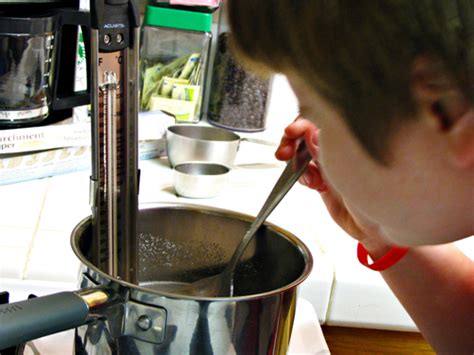
- Use a Light-Colored Pan: This is crucial. A stainless steel pan allows you to accurately monitor the color changes, whereas a dark non-stick pan can obscure the true hue until it’s too late.
- Watch Constantly: Caramelization is not the time to multitask. Stay by the stove and observe every subtle shift.
- Know When to Stop: Remember that residual heat in the pan will continue to cook the caramel for a few moments after you remove it from the heat. It’s often best to pull it off the burner when it’s just a shade lighter than your desired final color.
- Have Ingredients Ready: If you’re adding cream, butter, or other liquids, have them measured and nearby so you can add them immediately to stop the cooking process.

Mastering caramelization takes practice, but by paying close attention to these visual and aromatic cues, you can confidently achieve that perfect balance of sweetness, bitterness, and complex flavor every time. Don’t be discouraged by a few burnt batches; each attempt hones your senses and brings you closer to caramel perfection.