Slice like a pro! Essential knife skills for beautiful food presentation?
In the culinary world, the difference between a good dish and a great one often lies not just in the ingredients or the recipe, but in the precision and care with which they are prepared. At the heart of this precision are essential knife skills. Beyond just safety and efficiency, mastering your knife is the secret weapon for creating dishes that are not only delicious but also visually stunning. Beautifully uniform cuts elevate texture, ensure even cooking, and transform simple ingredients into edible art, making your food presentation truly shine.
The Foundation: Knife Safety and Grip
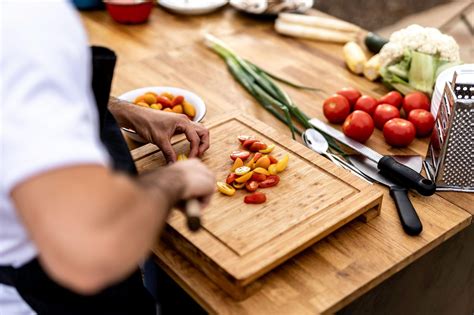
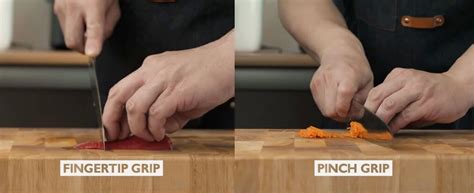
Before you even think about fancy cuts, solid knife safety and proper grip are paramount. Always use a stable cutting board, preferably one with a non-slip mat underneath. A sharp knife is safer than a dull one, as it requires less force and is less likely to slip. The most crucial technique is the “pinch grip,” where you hold the blade between your thumb and forefinger, with the remaining fingers wrapped around the handle. This provides maximum control over the blade, allowing for more precise movements and reducing the risk of accidents.
Beyond the grip, adopt the “claw grip” for your guiding hand. Curl your fingertips inward, tucking them under your knuckles, and let the flat side of the blade rest against your knuckles as you cut. This shields your fingertips from the blade and allows you to move food safely and systematically.
Mastering Basic Cuts for Consistency
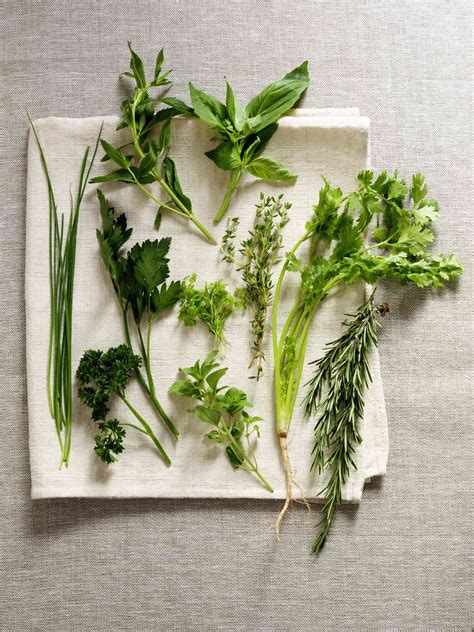
Consistency is key for both cooking and presentation. Evenly sized pieces cook at the same rate and look far more appealing on the plate. Start with the fundamental cuts: the rondelle (round slices), bâtonnet (sticks), julienne (fine matchsticks), brunoise (tiny dice), and dice (small, medium, large cubes). Learn to peel, trim, and cube various vegetables with uniform precision. For herbs like basil or mint, a chiffonade (thin ribbons) adds elegance and releases aroma beautifully.
Practice these cuts repeatedly with different vegetables, such as carrots, onions, and potatoes. Focus on making each piece identical in size and shape. This repetitive practice builds muscle memory and improves dexterity, translating directly into more professional-looking results for all your culinary endeavors.
Precision for Presentation: Beyond the Basics
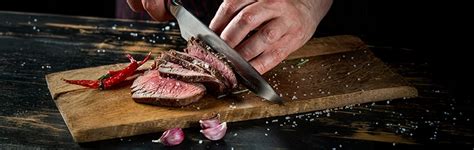
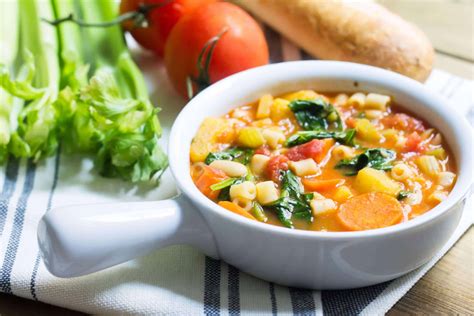
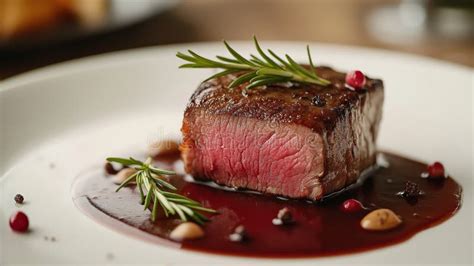
Once you’ve mastered the basics, you can apply precision to enhance presentation. Think about how thinly sliced radishes can garnish a salad, how perfectly segmented citrus brightens a fish dish, or how uniformly diced bell peppers create a vibrant salsa. Fine, even slices of meat or fish not only cook more evenly but also create an elegant visual appeal. Creating decorative garnishes, such as tomato roses or intricate vegetable carvings, takes presentation to an entirely new level, showcasing your dedication and skill.
Beautiful food presentation isn’t just about making things look pretty; it also enhances the dining experience, making food more inviting and enjoyable. The texture, color, and arrangement of ingredients all play a role, and precise knife work is the fundamental tool for controlling these elements.
Essential Knives for Every Task
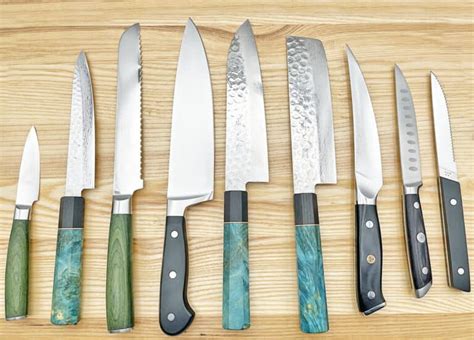
While a good chef’s knife is your workhorse, having a few specialized knives can significantly aid in achieving professional results. A paring knife is indispensable for intricate tasks like peeling small fruits and vegetables, segmenting citrus, or creating delicate garnishes. A serrated knife excels at slicing through items with tough exteriors and soft interiors, such as bread, tomatoes, or roasted meats, without crushing them. A sharp utility knife bridges the gap between a chef’s knife and a paring knife, perfect for precise cuts on medium-sized ingredients.
Investing in quality knives and maintaining them with regular sharpening and honing is crucial. A well-maintained knife not only performs better but also lasts longer and makes the cooking process more enjoyable and efficient.
Practice Makes Perfect: Tips for Improvement
Like any skill, mastering knife techniques requires consistent practice. Don’t be afraid to take your time and focus on technique rather than speed. Start with softer vegetables and gradually move to harder ones. Watch professional chefs’ videos and observe their hand positions and movements. Many culinary schools and cooking classes offer specific knife skills workshops that can provide invaluable hands-on guidance. Remember, patience and persistence are your best allies.
Every slice, dice, and chop is an opportunity to refine your skills. The more you practice, the more intuitive and fluid your movements will become, ultimately transforming your kitchen efficiency and the aesthetic appeal of your culinary creations.

Mastering essential knife skills is a transformative journey for any home cook or aspiring chef. It’s about more than just cutting; it’s about control, safety, efficiency, and ultimately, the artistry of food. With practice, patience, and the right techniques, you’ll be slicing, dicing, and chopping your way to dishes that are as beautiful to behold as they are delicious to eat, truly elevating your kitchen game to a professional level.