Smart food storage: Keep fresh produce camera-ready longer?

The Quest for Ever-Fresh Produce
There’s nothing quite as satisfying as bringing home a haul of vibrant, fresh produce. Yet, the joy often quickly fades as those crisp greens wilt, berries mold, and avocados brown before their time. For anyone who loves cooking, entertaining, or simply enjoying healthy meals, keeping fruits and vegetables looking and tasting their best for longer is a perennial challenge. This isn’t just about reducing food waste and saving money; it’s about maintaining that ‘camera-ready’ appeal that makes healthy eating so much more inviting.
Achieving this feat goes beyond mere refrigeration. It requires understanding the unique needs of different produce items and employing smart storage strategies that address their specific biological processes. From temperature control to humidity levels and even gas emissions, a little knowledge can go a long way in transforming your kitchen’s produce longevity.
Understanding the Enemies of Freshness
To win the battle against spoilage, it’s crucial to know the primary culprits that cause produce to degrade:
Ethylene Gas: The Ripening Hormone
Many fruits, known as climacteric fruits, continue to ripen after being harvested by producing ethylene gas. While this is natural, storing ethylene-producing fruits (like apples, bananas, avocados, tomatoes) with ethylene-sensitive vegetables (like leafy greens, broccoli, carrots) can accelerate the spoilage of the latter. Separation is key.
Moisture and Humidity Imbalance
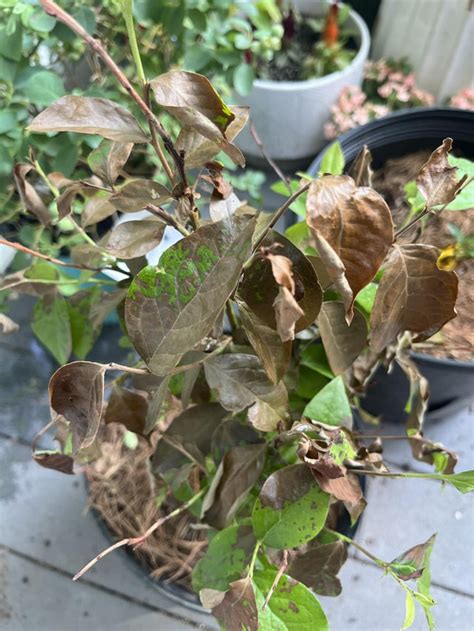
Too much moisture can lead to mold and rot, especially in berries and greens. Conversely, too little moisture can cause wilting and drying out, common for herbs and root vegetables. Finding the right balance for each item is critical.
Temperature Fluctuations
Most produce thrives in specific temperature ranges. Refrigeration slows down spoilage, but some items, like tomatoes, potatoes, and onions, suffer in flavor and texture when stored in the cold. Understanding who belongs where is fundamental.
Smart Storage Strategies by Produce Type
General rules rarely apply to all. Here’s how to store some common items:
- Countertop Dwellers: Tomatoes, bananas, avocados, garlic, onions, and potatoes prefer cooler room temperatures. Keep bananas separate due to high ethylene production. Store potatoes and onions in dark, well-ventilated areas, but never together (onions can make potatoes sprout).
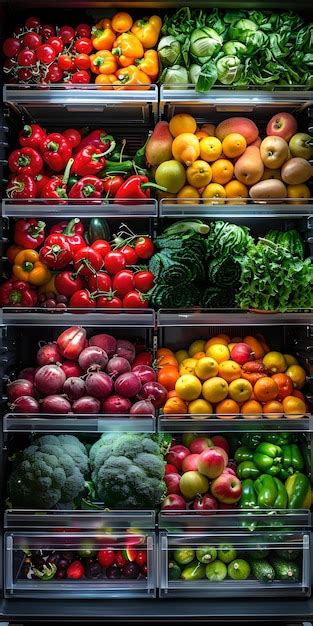
- Refrigerator Residents: Leafy greens (spinach, lettuce), berries, carrots, broccoli, and most fruits (after ripening) belong in the fridge. Wash greens just before use, or if washing ahead, ensure they are thoroughly dry and stored in a breathable container or bag lined with a paper towel.
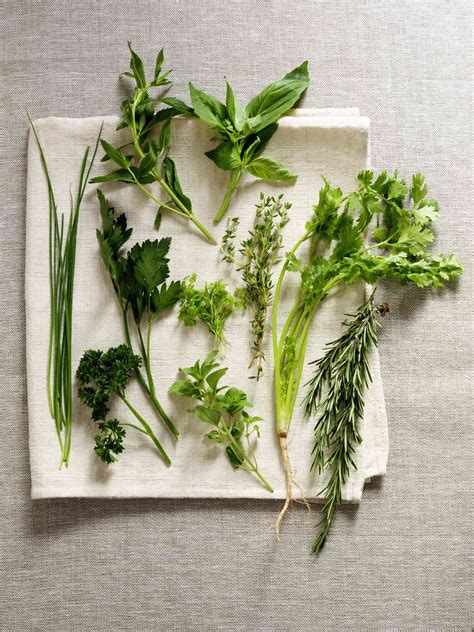
- Herbs: Treat hard herbs (rosemary, thyme) like a bouquet of flowers in a glass of water on the counter. Soft herbs (parsley, cilantro, basil) also benefit from this method, or can be wrapped in a damp paper towel and stored in a bag in the fridge.

Harnessing Smart Storage Tools
Modern kitchens offer an array of tools to aid in produce preservation:
Airtight Containers and Silicone Bags
These are excellent for keeping cut fruits and vegetables fresh by limiting air exposure. Vacuum sealers take this a step further, drastically extending shelf life. For greens, look for containers with adjustable vents or line them with paper towels to manage moisture.
Crisper Drawers and Produce Keepers
Your refrigerator’s crisper drawers are designed to create specific humidity environments. Use the high-humidity drawer for leafy greens and the low-humidity drawer for fruits. Specialized produce keepers often have built-in ventilation and drainage to prevent spoilage.
Ethylene Absorbers
Small packets or balls containing potassium permanganate can absorb ethylene gas, making them ideal for extending the life of ethylene-sensitive produce when stored near ethylene producers.
Beyond Storage: Prep and Care
The journey to camera-ready produce also involves proper initial handling:
- Wash and Dry Carefully: Wash most produce just before eating or cooking, as excess moisture encourages spoilage. If pre-washing, ensure items are completely dry before storing. A salad spinner is invaluable for greens.
- Trim and Separate: Remove any damaged leaves or spots, as these can accelerate spoilage for the entire batch. Separate items that don’t get along (e.g., apples from carrots).
- Rotate Stock: Practice ‘first in, first out’ to ensure older produce is used before it spoils.
Conclusion
With a little strategic thinking and the right tools, you can significantly extend the life of your fresh produce. By understanding the science behind spoilage and implementing smart storage practices, you’ll not only reduce food waste and save money but also ensure your fruits and vegetables remain vibrant, delicious, and yes, truly camera-ready, whenever you need them. Start experimenting with these tips and watch your produce stay fresher, longer.