Smart fridge organization hacks for vibrant veggies?
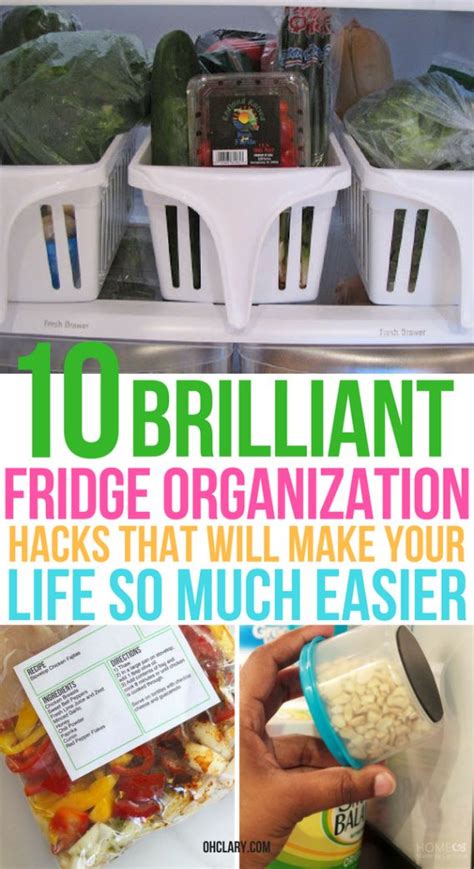
Unlock the Secret to Long-Lasting Freshness
There’s nothing more frustrating than opening your fridge to find wilting greens or soft bell peppers, especially when you had meal plans. The good news? With a few smart organization hacks, you can transform your refrigerator into a powerhouse of freshness, ensuring your vibrant veggies stay crisp and delicious for longer. It’s not just about aesthetics; it’s about reducing food waste, saving money, and enjoying healthier meals.
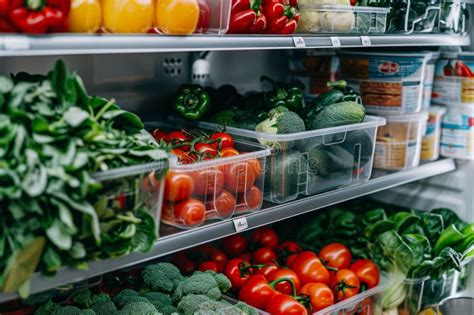
Mastering Your Crisper Drawers
Your fridge’s crisper drawers aren’t just for show; they’re engineered to create specific humidity environments. Most fridges have two: one for high humidity and one for low humidity.
- High Humidity Drawer (closed vent): Ideal for leafy greens (lettuce, spinach, kale), broccoli, cauliflower, carrots, and other produce sensitive to moisture loss. This setting helps prevent wilting by trapping moisture.
- Low Humidity Drawer (open vent): Best for fruits and vegetables that emit ethylene gas and can spoil quickly in high humidity, such as apples, pears, peaches, and bell peppers. Keep them separate from ethylene-sensitive items.
Strategic Placement and Container Choices
Where you place your produce inside the fridge matters. Different areas have different temperatures.
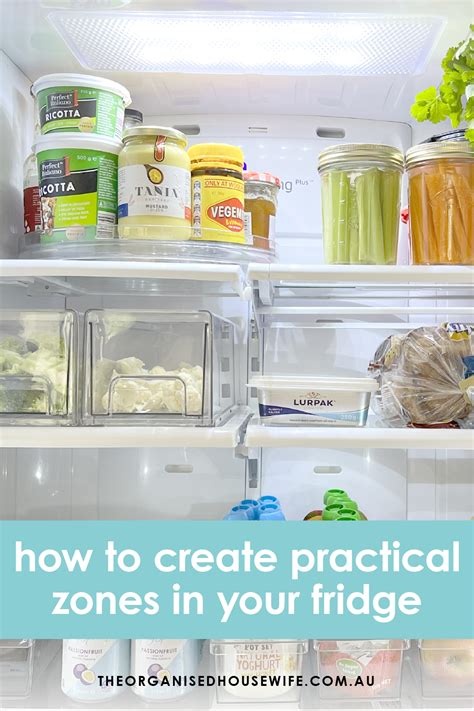
Top Shelves: These are typically the warmest spots. Store ready-to-eat items here, like washed and chopped vegetables for snacking or quick meal prep. Use clear, airtight containers to keep them fresh and visible.

Middle Shelves: Slightly cooler than the top. Great for cooked leftovers or larger produce items that don’t fit in crisper drawers.
Bottom Shelves: These are usually the coldest. Ideal for raw meats and dairy, but also good for hardy root vegetables if your crisper is full, provided they are in sealed containers.
Smart Container Solutions:
- Glass Containers with Lids: Excellent for visibility and airtight sealing. They don’t absorb odors and are easy to clean.
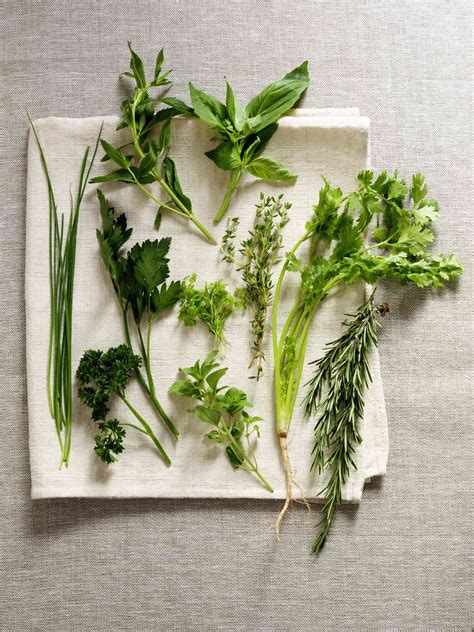
- Produce-Specific Bags/Wraps: Some vegetables benefit from specific storage. Asparagus, for instance, thrives standing upright in a jar with a little water, covered loosely with a plastic bag. Herbs can be treated similarly.
- Reusable Mesh Bags: Great for items that need to breathe slightly, like onions (though onions are usually best outside the fridge unless cut).
Pre-Prepping for Success
One of the best ways to ensure your veggies get eaten and stay fresh is to do some prep work right after grocery shopping.
- Wash and Dry: Wash most vegetables (except berries until just before eating) and ensure they are thoroughly dry before storing. Excess moisture is the enemy of freshness. A salad spinner is your best friend here.
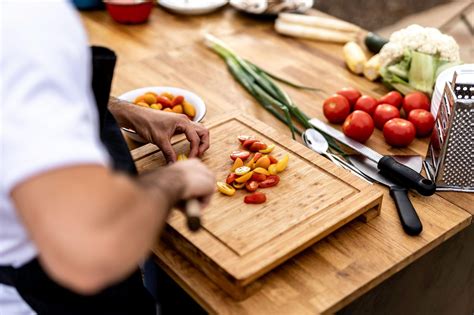
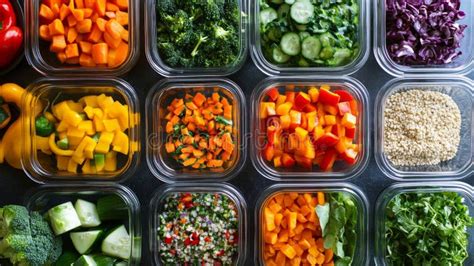
- Chop and Store: Chop carrots, celery, bell peppers, and cucumbers into snackable sticks or ready-to-cook pieces. Store them in airtight containers lined with a paper towel to absorb any remaining moisture.
- Blanching: For some vegetables like broccoli or green beans, a quick blanch and then an ice bath before drying and storing can significantly extend their fridge life.
Regular Maintenance and Audit
Even the best organization system needs regular attention. Aim for a quick fridge audit once a week.
- Rotate Stock: Bring older produce to the front so it gets used first.
- Remove Expired Items: Get rid of anything past its prime to prevent spoilage from spreading and to free up space.
- Wipe Down Spills: Keep your fridge clean to prevent bacterial growth and odors.
- Check Temperature: Ensure your fridge is set to the optimal temperature (typically 35-38°F or 1.7-3.3°C).

By implementing these smart fridge organization hacks, you’ll not only enjoy a beautifully organized kitchen but also dramatically extend the life and vibrancy of your precious produce. Say goodbye to food waste and hello to fresh, healthy eating!