Smart meal prep for flavorful, budget-friendly whole foods?

In a world of fast food and expensive takeout, the idea of consistently eating flavorful, budget-friendly whole foods can seem like a distant dream. Yet, with the right strategies, smart meal preparation transforms this aspiration into a delicious reality. This guide will walk you through actionable steps to plan, shop, cook, and store your way to a week filled with wholesome, satisfying meals without breaking the bank or spending all your free time in the kitchen.
The Power of Purposeful Planning
The foundation of successful meal prep lies in effective planning. Before you even think about hitting the grocery store, take some time to map out your meals for the week. Consider your schedule, dietary preferences, and what ingredients you already have on hand. Don’t feel pressured to cook entirely different meals every day; instead, focus on versatile components that can be combined in various ways.
- Choose Your Recipes Wisely: Opt for recipes that are easy to scale up and that use similar ingredients to minimize waste and streamline shopping. Think about dishes that taste great reheated or can be repurposed (e.g., roasted chicken can become salads, tacos, or pasta additions).
- Create a Master Shopping List: Once your menu is set, compile a detailed shopping list. Categorize items by section of the grocery store (produce, dairy, pantry) to make your trip more efficient. Stick to your list to avoid impulse buys that inflate your budget.
Savvy Shopping for Maximum Savings
Your grocery bill is often the largest component of your food budget. Smart shopping habits are crucial for keeping costs down while still acquiring high-quality whole foods.
- Embrace Seasonal and Sales: Produce is typically cheaper and more flavorful when it’s in season. Keep an eye on weekly circulars for sales on staples like grains, proteins, and produce. Don’t be afraid to stock up on non-perishables when they’re at a good price.
- Buy in Bulk (Strategically): Items like rice, oats, beans, and certain spices are often cheaper when purchased in larger quantities. Just ensure you have adequate storage space and that you’ll use them before they spoil.
- Minimize Processed Foods: Focusing on whole ingredients (fruits, vegetables, lean proteins, whole grains) naturally reduces your grocery bill, as highly processed foods often carry a premium price tag.

Efficient Cooking: Batch, Chop, and Repurpose
Cooking for the week doesn’t have to mean spending an entire Sunday in the kitchen. The key is efficiency and smart multi-tasking.
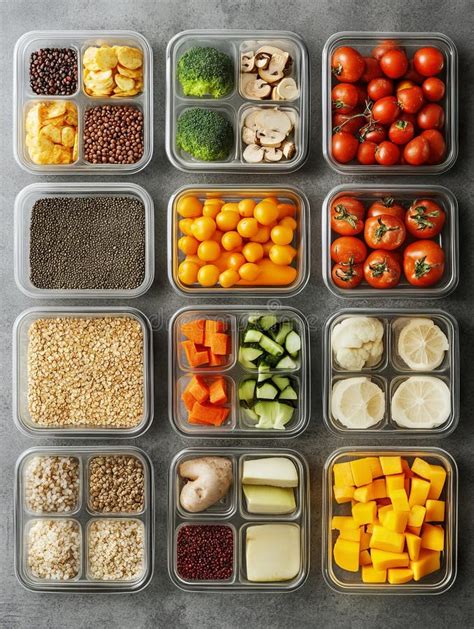
- Batch Cook Staples: Dedicate time to cooking larger quantities of versatile components. This could include a big batch of quinoa or brown rice, roasted vegetables (broccoli, bell peppers, sweet potatoes), grilled or baked chicken breasts, or a pot of lentil soup.
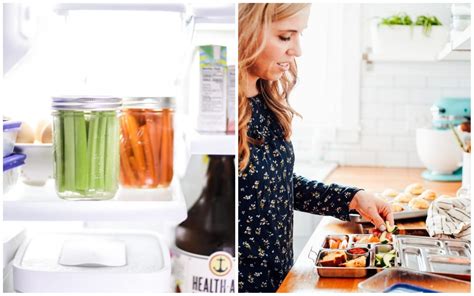
- Pre-Chop and Prep: Wash and chop all your vegetables for the week’s meals. Store them in airtight containers. This significantly cuts down on daily cooking time. Marinate proteins ahead of time.
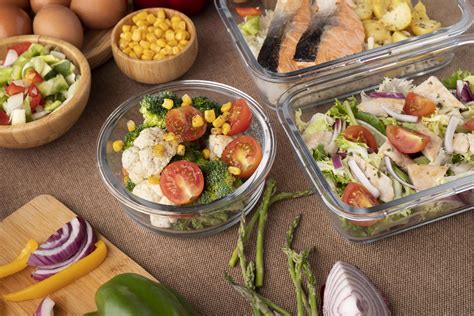
- Think Component-Based Meals: Instead of full meals, prepare individual components. For instance, cook a protein, a grain, and several types of vegetables. Throughout the week, mix and match these components to create diverse meals like grain bowls, salads, wraps, or stir-fries.

Mastering Storage and Organization
Proper storage is vital to keep your prepared meals fresh, safe, and appealing throughout the week.
- Invest in Good Containers: Airtight, leak-proof containers are a must. Glass containers are excellent for reheating and durability, while BPA-free plastic is a good lightweight option.
- Cool Before Storing: Always allow hot food to cool completely before transferring it to containers and refrigerating. This prevents condensation and keeps food fresh longer.
- Label and Date: Clearly label your containers with the meal name and the date it was prepared. Most cooked whole foods are good in the refrigerator for 3-4 days.

Making Meal Prep Sustainable and Enjoyable
To truly embrace smart meal prep, it needs to be a sustainable and enjoyable part of your routine, not a dreaded chore.
- Start Small: Don’t try to prep every single meal for the entire week from day one. Begin with breakfast or lunch, or just a few days’ worth of meals, and gradually increase as you get more comfortable.
- Embrace Variety: While versatile components are great, don’t let your meals become boring. Experiment with different spices, herbs, and sauces to keep things interesting. Explore new whole food recipes regularly.
- Forgive Imperfection: Some weeks will go better than others. It’s okay if you don’t stick to your plan 100%. The goal is progress, not perfection. Every effort you make contributes to healthier, more budget-friendly eating.

Smart meal prep is more than just cooking ahead; it’s a strategic approach to nurturing your body, managing your finances, and simplifying your busy life. By dedicating a little time to planning and preparation, you unlock a world of flavorful, whole food meals that are both kind to your wallet and incredibly satisfying. Embrace the journey, and enjoy the delicious rewards!