Smart produce storage tips: keep ingredients vibrant & reduce food waste?

Why Smart Storage Matters for Your Kitchen and Planet
Few things are more disheartening than reaching for fresh produce only to find it wilted, moldy, or spoiled. Not only does this lead to wasted food and money, but it also contributes to the growing global problem of food waste, which has significant environmental impacts. Fortunately, with a few smart storage strategies, you can significantly extend the life of your fruits and vegetables, keeping them vibrant and delicious for longer. Embracing proper storage techniques is a simple yet powerful step towards a more sustainable kitchen and a healthier planet.
Understand Your Produce: The Basics of Longevity
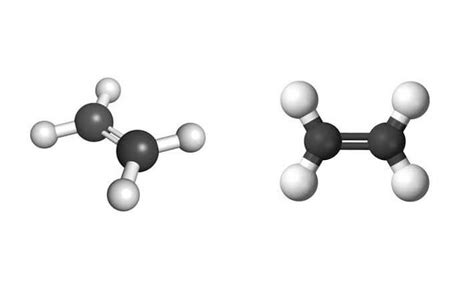
Not all produce is created equal, and understanding their individual needs is the first step to successful storage. Some fruits and vegetables thrive in cool, dark environments, while others prefer the crisp air of your refrigerator. A key concept to grasp is ethylene gas. Certain fruits produce ethylene, a natural ripening agent, which can prematurely ripen and spoil other ethylene-sensitive produce stored nearby. Knowing which is which can save you a lot of grief (and soggy greens!).
Separate Ethylene Producers from the Sensitive
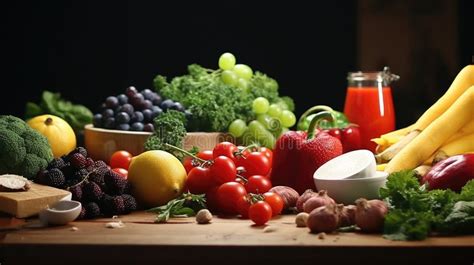
- High Ethylene Producers: Apples, bananas, avocados, tomatoes, peaches, pears, melons. Store these away from sensitive items.
- Ethylene Sensitive: Broccoli, leafy greens, carrots, cucumbers, eggplant, potatoes, berries.
Targeted Storage Solutions for Common Ingredients
Leafy Greens (Spinach, Lettuce, Kale)
Moisture is the enemy! Wash greens only when you’re ready to use them. For storage, ensure they are completely dry (a salad spinner is your best friend here). Line an airtight container or a large zip-top bag with a paper towel, add your dry greens, and top with another paper towel. This absorbs excess moisture and keeps them crisp for over a week in the fridge. Change the paper towel every few days if it becomes damp.

Berries (Strawberries, Blueberries, Raspberries)
Berries are delicate and prone to mold. Avoid washing them until just before consumption. Store them unwashed in their original container or a shallow, breathable container lined with a paper towel. For longer storage, a quick vinegar wash (1 cup water to 1/4 cup white vinegar, rinse, then dry thoroughly) can inhibit mold growth before refrigerating.
Root Vegetables (Carrots, Beets, Radishes)
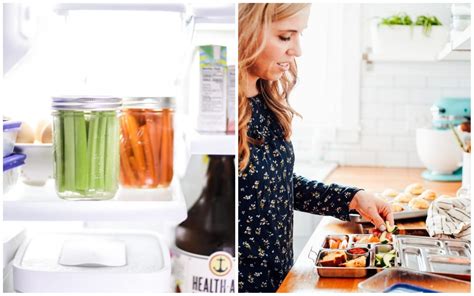
First, trim any green tops off your root vegetables. The greens draw moisture away from the roots, causing them to soften faster. Store carrots, parsnips, and similar items in an airtight container or a plastic bag in the crisper drawer. Beets and radishes do well in a similar fashion. Keep potatoes and onions in a cool, dark, dry place, but never together; onions release gases that will cause potatoes to sprout faster.

Tomatoes and Avocados
Unripe tomatoes should be stored at room temperature, stem-side down, away from direct sunlight. Once ripe, if you won’t use them immediately, they can go into the fridge for a few extra days, though this might slightly alter their texture. Avocados follow a similar rule: ripen on the countertop, then transfer to the fridge to pause the ripening process.
Essential Tools and General Principles for Success
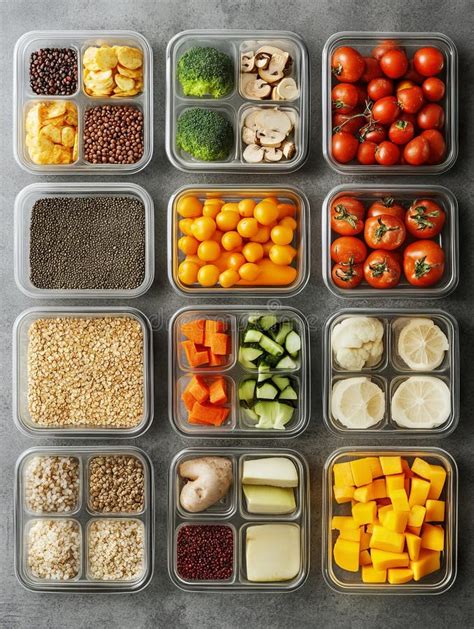
Investing in a few key items can elevate your produce storage game. Airtight glass containers, silicone bags, mesh produce bags for the fridge, and even specialized produce keeper containers can make a big difference. Utilizing your refrigerator’s crisper drawers effectively is also crucial; typically, the ‘high humidity’ setting is best for leafy greens and most vegetables, while ‘low humidity’ is suited for fruits that emit ethylene, like apples.
Beyond specific storage methods, remember these general rules:
- Inspect Upon Arrival: Remove any bruised or rotting pieces immediately, as one bad apple (or berry) can spoil the bunch.
- Don’t Wash Until Ready: Excess moisture promotes spoilage for many items.
- Rotate Your Stock: Use older produce first (first in, first out principle).
- Repurpose & Preserve: If something is nearing its end, consider freezing it for smoothies, making broth, or cooking it immediately.

A Fresher Kitchen, A Greener Planet
Implementing these smart produce storage tips might seem like a small change, but the cumulative impact is significant. You’ll enjoy fresher, more flavorful meals, save money by reducing waste, and contribute to a more sustainable lifestyle. Start experimenting with these methods today, and watch your ingredients stay vibrant longer, making your kitchen a more efficient and environmentally conscious space.