Smart storage hacks to keep produce vibrant & reduce food waste for real foodies?

Elevate Your Culinary Game: The Art of Produce Preservation
For true food enthusiasts, the quality of ingredients is paramount. Nothing quite inspires a home cook like a bounty of vibrant, fresh produce. Yet, the heartbreak of wilted greens, moldy berries, or rubbery carrots is all too familiar, often leading to unnecessary food waste. As real foodies, we’re not just about delicious meals; we’re about sustainable practices, honoring our ingredients, and getting the most out of every purchase. This guide dives into smart storage hacks that will keep your produce at peak freshness, preserving its flavor, nutrients, and ultimately, your culinary joy.

Mastering the Greens: Leafy Vegetables & Herbs
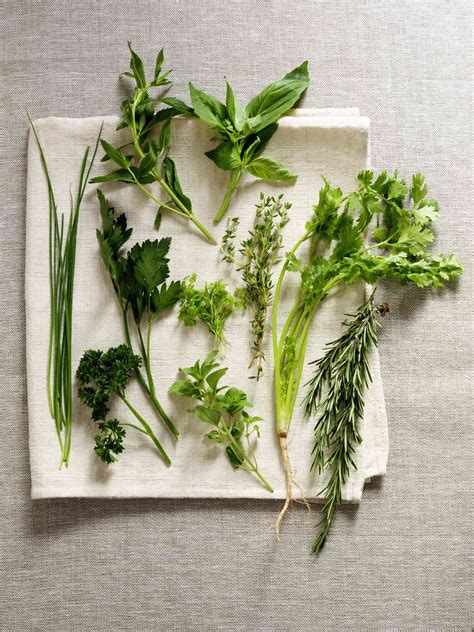
Leafy greens and delicate herbs are often the first to perish, but with a few simple tricks, you can extend their life significantly.
Crisp Greens That Last
- Wash, Dry, Store: The golden rule. Wash your greens thoroughly, then dry them *completely* using a salad spinner or paper towels. Excess moisture is the enemy of crispness.
- Paper Towel Wrap: Line an airtight container or a large zip-top bag with dry paper towels. Place your cleaned and dried greens on top, cover with another layer of paper towels, and seal. The paper towels absorb excess moisture, preventing sliminess.
- Airflow is Key: For certain robust greens like kale or collards, simply storing them unwashed in a loosely tied plastic bag in the crisper drawer can work wonders, allowing some airflow.
Herb Heroes: Keeping Fragrant & Flavorful
- Bouquet Method: Treat stemmed herbs (cilantro, parsley, basil, mint) like a bouquet of flowers. Trim the bottoms, place them in a glass with an inch or two of water, cover loosely with a plastic bag (especially basil, which dislikes the cold), and refrigerate (except basil, keep on counter).
- Damp Cloth Wrap: For herbs like rosemary or thyme, wrap them in a slightly damp paper towel, then place them in an airtight container or zip-top bag in the fridge.

The Fruitful Endeavor: Extending Fruit Freshness
Fruits have diverse needs, particularly when it comes to ripening. Understanding ethylene gas is crucial.
Ethylene Emitters & Sensitives
Some fruits (like apples, bananas, avocados, tomatoes, peaches, pears) release ethylene gas, which accelerates ripening. Store these separately from ethylene-sensitive items (berries, leafy greens, broccoli, carrots, cucumbers, citrus fruits).
- Countertop Ripening: Bananas, avocados, peaches, and tomatoes are best ripened at room temperature on the counter. Once ripe, move avocados and peaches to the fridge to slow spoilage.
- Berry Best Practices: Berries are delicate. Wash them right before eating. To extend their life, give them a quick vinegar bath (1 cup water to 1/4 cup white vinegar), rinse thoroughly, and dry completely before storing in a breathable container in the fridge.
- Citrus Secrets: Lemons, limes, and oranges last much longer in the refrigerator’s crisper drawer rather than on the counter.
Rooting for Longevity: Tubers, Alliums & Hardy Vegetables
Root vegetables and alliums often require cooler, darker environments.
- Cool, Dark & Dry: Potatoes, onions, garlic, and sweet potatoes thrive in a cool, dark, and well-ventilated pantry or cabinet. Keep potatoes and onions separate; gases from onions can cause potatoes to sprout faster.
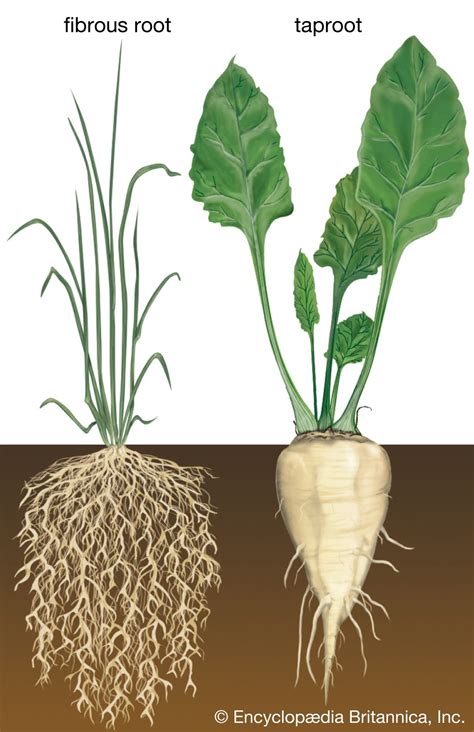
- Trim the Greens: For carrots, radishes, and beets, remove the leafy tops immediately. The greens draw moisture from the roots, causing them to go limp faster. Store the root vegetables in a perforated bag or container in the crisper.
- Broccoli & Cauliflower: Store unwashed in an open plastic bag in the fridge’s crisper drawer.

Beyond the Fridge: Advanced Hacks for the Savvy Foodie
Sometimes, the best storage isn’t refrigeration but preservation.
- Blanch & Freeze: For vegetables like broccoli, spinach, or green beans that you won’t use immediately, blanch them quickly in boiling water, plunge into ice water, drain well, and freeze on a baking sheet before transferring to freezer bags. This locks in nutrients and texture.
- Pesto & Sauces: Turn wilting herbs or greens into pesto, chimichurri, or green sauces. Freeze in ice cube trays for easy portioning.
- Stock from Scraps: Keep a bag in your freezer for vegetable scraps (onion peels, carrot tops, celery ends) to make flavorful homemade vegetable broth.
The Mindset Shift: Prevention is Key
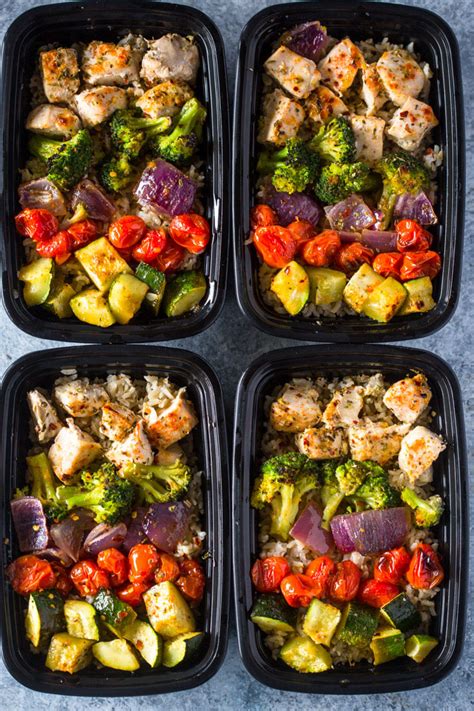
While storage hacks are invaluable, the most effective way to reduce waste is thoughtful planning.
- Smart Shopping: Buy only what you need and plan your meals around perishable items first.
- First In, First Out (FIFO): Rotate your produce. Use older items before newer ones.
- Embrace Imperfection: Slightly bruised or less-than-perfect produce is often perfectly fine for cooking. Don’t discard it prematurely.
By integrating these smart storage hacks and adopting a mindful approach to your produce, you’ll not only enjoy fresher, more vibrant ingredients but also contribute to a more sustainable kitchen, one delicious meal at a time. Your inner foodie (and your wallet) will thank you!