Smart storage solutions for maximizing fresh produce shelf life? #KitchenTips

Revolutionize Your Kitchen: Extend Produce Freshness
One of the most common challenges in any kitchen is keeping fresh produce vibrant and edible for as long as possible. We’ve all experienced the disappointment of finding wilted greens or moldy berries just days after a grocery run. The good news is that with a few smart storage solutions and practices, you can dramatically extend the shelf life of your fruits and vegetables, minimizing food waste and maximizing your healthy eating.
Understanding the unique needs of different types of produce is key. Factors like temperature, humidity, and even the gases emitted by certain fruits play a crucial role in how quickly they ripen and spoil. By taking a more mindful approach to storage, you can keep your ingredients crisp, flavorful, and ready for use when you need them.

The Crisper Drawer Conundrum: Understanding Your Fridge
Your refrigerator’s crisper drawers are not just random compartments; they’re designed with specific humidity levels in mind. Most modern fridges have adjustable humidity settings (high and low). High-humidity drawers (often labeled “vegetables”) are ideal for leafy greens, broccoli, carrots, and other items that wilt easily, as they help retain moisture. Low-humidity drawers (often labeled “fruits”) are best for produce that can rot from too much moisture, such as apples, pears, and some fruits that emit ethylene gas.
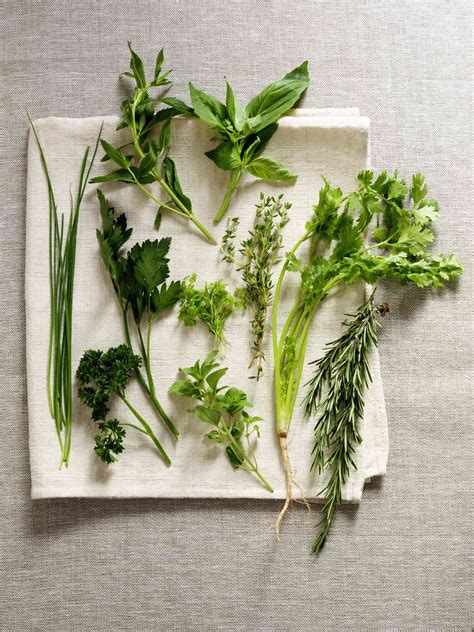
- High Humidity: Asparagus, broccoli, carrots, leafy greens (lettuce, spinach, kale), cucumbers, berries (unwashed), fresh herbs (stem down in water, covered).
- Low Humidity: Apples, pears, grapes, peppers, melons, corn.
Always store produce unwashed until you’re ready to use it, as excess moisture can accelerate spoilage. For berries and greens, consider lining their storage containers with paper towels to absorb any condensation.
Beyond the Fridge: Room Temperature Storage Gems
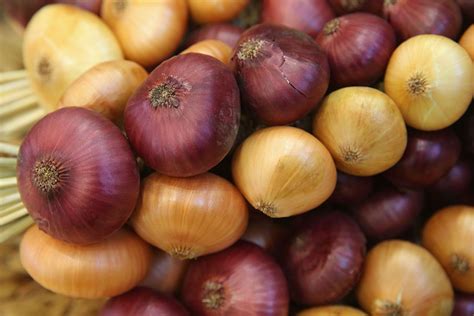
Not everything belongs in the refrigerator. In fact, some items lose flavor or texture when chilled. Tomatoes, for instance, develop a mealy texture in the cold, so they’re best kept on the counter away from direct sunlight. Similarly, potatoes and onions prefer cool, dark, and dry places, but should always be stored separately. Onions emit gases that can cause potatoes to sprout more quickly.
Bananas, avocados (unripe), and stone fruits (peaches, plums, nectarines) should also be kept at room temperature until ripe, then moved to the fridge if you want to slow down further ripening. Citrus fruits can be stored on the counter for a week or two, or in the fridge for longer shelf life.
Combatting Ethylene: The Ripening Gas
Ethylene gas is a natural plant hormone released by certain fruits and vegetables, which can accelerate the ripening and spoilage of other produce. Knowing which items are “ethylene producers” and “ethylene sensitive” is crucial for smart storage.
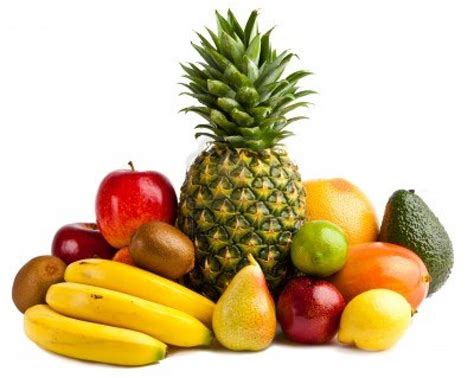
- Ethylene Producers: Apples, avocados, bananas, cantaloupe, kiwi, mangoes, peaches, pears, plums, tomatoes.
- Ethylene Sensitive: Asparagus, broccoli, carrots, cucumbers, leafy greens, eggplant, potatoes, berries.
Store ethylene producers away from sensitive items, especially if you want to prevent premature spoilage. For example, keeping apples away from carrots will help both last longer.
Specialized Tools and Tricks for Enhanced Longevity
Beyond basic principles, several specialized tools can further aid in produce preservation:
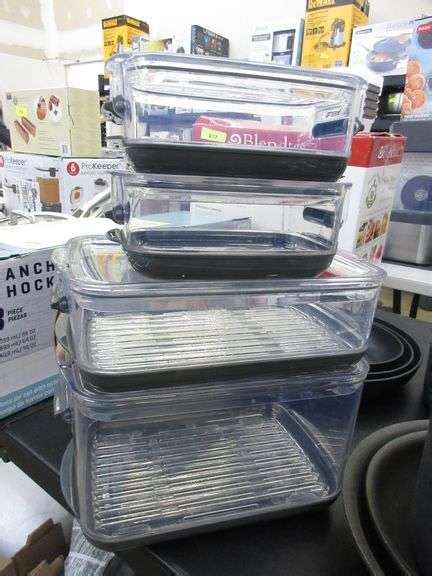
- Produce Storage Containers: Many containers are designed to regulate airflow and moisture, creating an optimal environment for specific types of produce. Some even come with vents for adjustable humidity.
- Breathable Bags: Mesh bags for onions and potatoes, or reusable cotton bags for greens, allow for proper air circulation, preventing moisture buildup.
- Herb Savers: Small containers designed to hold herbs upright in water, keeping them fresh for weeks.
- Paper Towels: As mentioned, wrapping delicate greens or berries in paper towels before placing them in containers can absorb excess moisture and prevent mold.
Always remember to inspect your produce regularly and remove any spoiled items immediately, as one bad apple (literally!) can spoil the whole bunch.
Conclusion: A Fresh Start for Your Produce
Implementing smart storage solutions is a simple yet impactful way to improve your kitchen efficiency, reduce food waste, and save money. By understanding the unique needs of your fruits and vegetables—from optimal temperatures and humidity to the effects of ethylene gas—you can ensure your produce remains fresh, nutritious, and delicious for longer. Start integrating these #KitchenTips into your routine, and enjoy a fresher, more sustainable kitchen experience!