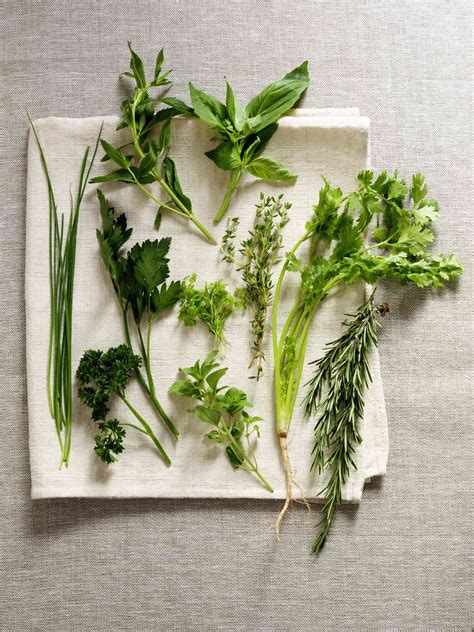
Smart storage tips for keeping fresh herbs vibrant & flavorful longer?

Fresh herbs are the soul of many dishes, infusing vibrant flavors and aromas that elevate simple ingredients into culinary masterpieces. However, their delicate nature often means they wilt and lose their potency within days of purchase. But don’t despair! With a few smart storage techniques, you can significantly extend the life of your fresh herbs, keeping them vibrant and flavorful for much longer, reducing waste, and ensuring you always have a touch of green goodness at hand.
The “Bouquet” Method: Best for Stemmed Herbs
This classic technique works wonderfully for sturdy, stemmed herbs like parsley, cilantro, chives, and even some varieties of mint. Treat them like a bouquet of flowers to keep them hydrated and happy.
- Trim Stems: Snip about an inch off the bottom of the stems.
- Water Bath: Place the herbs, stem-side down, into a glass or jar with about an inch of fresh water.
- Cover and Chill: For most hardy herbs (parsley, cilantro), loosely cover the top with a plastic bag and place the jar in the refrigerator. Change the water every day or two.
- Basil Exception: Basil prefers room temperature. Store it on your counter, away from direct sunlight, using the same water bath method, but without covering it with a bag. Refrigeration can cause basil leaves to blacken.

The “Paper Towel Roll” Method: Ideal for Delicate Leafy Herbs
For more delicate, leafy herbs such as dill, tarragon, mint (if not using the bouquet method), or even sometimes individual basil leaves, the paper towel roll method provides a gentle, moist environment.
Start by gently washing and thoroughly drying your herbs. Excess moisture can lead to rot, so a salad spinner or gentle patting with paper towels is crucial.
- Dampen Paper Towel: Lightly dampen a paper towel – it should be moist, not dripping wet.
- Wrap Gently: Lay your herbs flat on the damp paper towel and gently roll them up.
- Airtight Container: Place the wrapped herbs into an airtight container or a resealable plastic bag.
- Refrigerate: Store in the crisper drawer of your refrigerator. This method can keep herbs fresh for up to two weeks.
Freezing for Long-Term Flavor
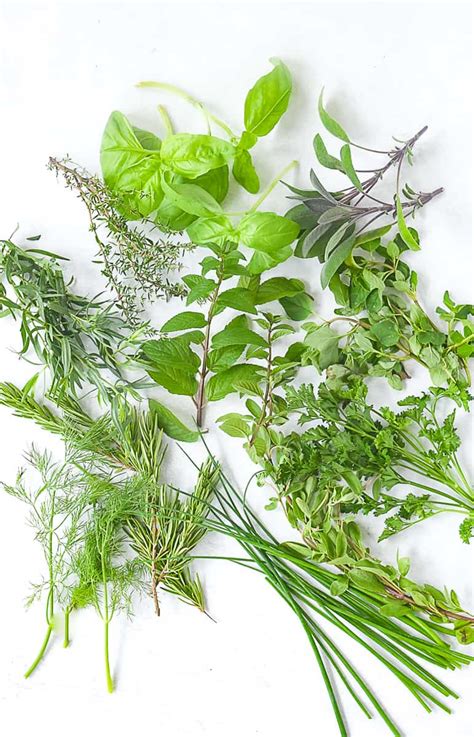
When you have an abundance of herbs or want to preserve their flavor for months, freezing is an excellent option. While frozen herbs may not be suitable for garnishing, they are perfect for adding a burst of flavor to cooked dishes like soups, stews, sauces, and roasts.
- Ice Cube Tray Method: Finely chop your herbs. Pack them into ice cube trays, filling each compartment about two-thirds full. Top with olive oil or water (olive oil works especially well for rosemary, thyme, and oregano). Freeze until solid, then transfer the herb cubes to a freezer-safe bag or container.
- Flash Freeze Method: For whole leaves of herbs like basil or sage, spread them in a single layer on a baking sheet and flash freeze for an hour or two. Once frozen, transfer them to a freezer bag, pressing out as much air as possible before sealing.

Drying: A Traditional Preservation Method
Drying is another time-honored way to preserve herbs, particularly those with woody stems and robust flavors like rosemary, thyme, oregano, marjoram, and sage. Dried herbs offer a concentrated flavor profile that differs from fresh, but they are incredibly versatile for cooking.
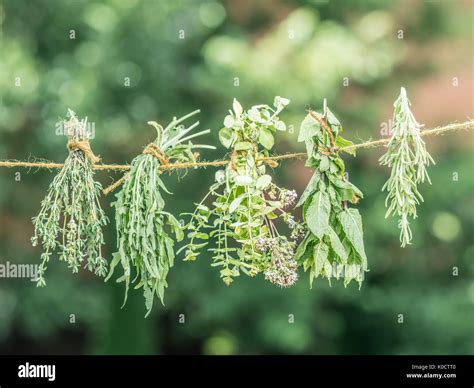
The simplest method is air drying. Gather small bunches of herbs, tie them with twine, and hang them upside down in a warm, dry, well-ventilated area away from direct sunlight. Once completely dry and crumbly (this can take 1-3 weeks), remove the leaves from the stems and store them in airtight containers in a cool, dark place.
General Tips for Herb Longevity
Beyond the specific methods, a few general principles can help ensure your herbs stay fresh and potent:
- Handle Gently: Herbs bruise easily. Handle them with care to avoid damaging leaves and stems.
- Inspect for Spoilage: Before storing, remove any yellowed, bruised, or wilted leaves to prevent them from affecting the rest of the bunch.
- Avoid Over-Washing: Unless specified for a method, avoid washing herbs until just before you’re ready to use them. Excess moisture can accelerate spoilage.
- Label and Date: Especially when freezing or drying, labeling with the herb name and date of storage will help you keep track of their freshness.
- Air Circulation: While some methods require airtight conditions, ensure there’s enough space for air to circulate around herbs stored in the fridge to prevent mold.

Conclusion
No matter which method you choose, taking a little extra time to properly store your fresh herbs will pay dividends in your kitchen. You’ll reduce food waste, save money, and always have fresh, flavorful additions ready to transform your meals. Experiment with these tips and find what works best for your favorite herbs and your culinary routine!