Smart ways to store seasonal produce to maximize freshness & reduce food waste?

Embrace the Bounty: Storing Seasonal Produce Wisely
There’s nothing quite like the vibrant flavors of seasonal produce. From crisp summer berries to hearty winter root vegetables, eating with the seasons offers superior taste, nutritional value, and often, better prices. However, the abundance can sometimes lead to a paradox: a fridge full of fresh produce that spoils before you can enjoy it all. Mastering the art of proper storage is key to maximizing freshness, preserving nutrients, and drastically cutting down on food waste in your kitchen.

Understand Your Produce: Not All Veggies Are Created Equal
The first rule of smart storage is understanding that different fruits and vegetables have unique needs. What keeps a potato fresh will surely spoil a bunch of basil. Familiarize yourself with these basic categories to give your produce the best chance at a long, fresh life:
- Cool & Dry: Items like onions, garlic, and squash prefer pantry temperatures.
- Countertop Ripening: Tomatoes, avocados, and many stone fruits often need to ripen at room temperature before refrigeration.
- Refrigeration Essential: Leafy greens, berries, most cruciferous vegetables, and herbs thrive in the cold.
The Refrigerator: Your Freshness Zone
Your fridge is a powerful tool, but knowing how to use its various zones is crucial.
- Crisper Drawers: These are designed to control humidity. Use the high-humidity drawer for leafy greens and delicate vegetables (like broccoli, carrots, and lettuce). The low-humidity drawer is best for fruits and vegetables that produce ethylene gas (like apples, pears) or those sensitive to moisture (like peppers).
- Ethylene Emitters: Some fruits and vegetables release ethylene gas, which can accelerate the ripening (and spoilage) of sensitive produce. Store apples, bananas, avocados, and tomatoes away from ethylene-sensitive items like leafy greens, broccoli, and carrots.
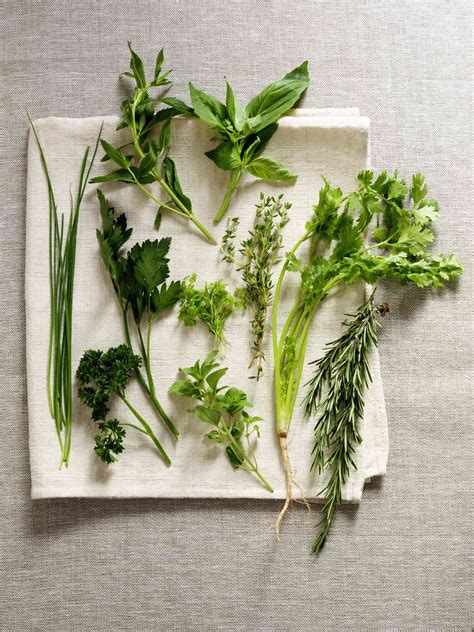
- Herbs: Treat hard herbs (rosemary, thyme, oregano) like a bouquet of flowers in a glass of water, covered loosely with a plastic bag, in the fridge. Soft herbs (parsley, cilantro, basil) also do well in water, but basil hates the cold and is best kept on the counter.

Pantry & Countertop Champions
Not everything belongs in the cold. Some items actually lose flavor or texture when refrigerated.
- Potatoes & Onions: Store them in a cool, dark, dry place, but keep them separate! Onions emit gases that can cause potatoes to sprout faster.
- Tomatoes: Keep them on the counter at room temperature, stem-side down, until fully ripe. Refrigeration dulls their flavor and makes them mealy.
- Avocados & Bananas: Ripen on the counter. Once ripe, avocados can be refrigerated for a few days to extend their life. Bananas should stay out until consumed.
- Winter Squash: Varieties like butternut, acorn, and spaghetti squash can last for months in a cool, dark pantry.

Beyond Short-Term: Long-Term Preservation Techniques
When you have an abundant harvest or a great sale on seasonal produce, consider longer-term preservation methods to enjoy it throughout the year.
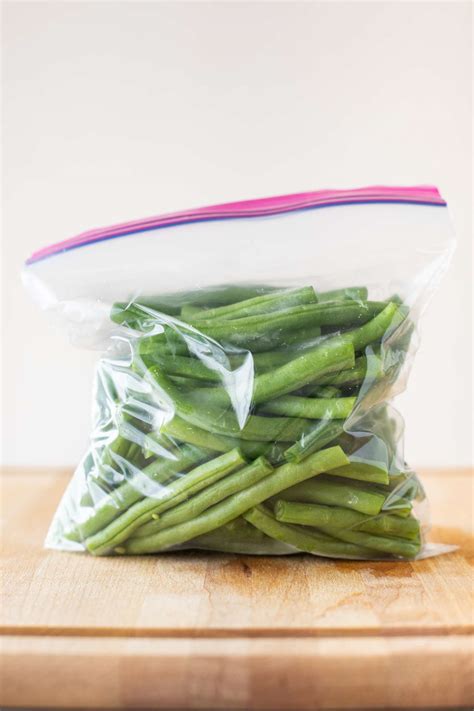
- Blanching & Freezing: Many vegetables (broccoli, green beans, peas, corn) can be blanched (briefly boiled, then plunged into ice water) and then frozen. This stops enzyme action that causes spoilage and loss of flavor, making them last for months.
- Dehydrating: Herbs, fruits (like apples and berries), and even some vegetables can be dried, intensifying their flavor and making them shelf-stable for long periods.
- Pickling & Fermenting: Turn cucumbers into pickles, cabbage into sauerkraut, or other vegetables into fermented delights. These methods add unique flavors and beneficial probiotics, extending shelf life significantly.
- Canning: For larger batches of fruits and vegetables, canning (using a water bath or pressure canner) can preserve produce for a year or more.
Smart Storage Hacks for Everyday Freshness
- Don’t Wash Until Use: Washing produce before storing it can introduce moisture that encourages mold and spoilage. Wash right before you’re ready to cook or eat.
- Keep It Dry: For leafy greens, wrap them in a paper towel before placing them in an airtight container or bag. The paper towel absorbs excess moisture.
- Breathable Bags: Some vegetables, like carrots and broccoli, benefit from being stored in breathable produce bags or loosely wrapped to allow for air circulation while retaining some moisture.
- Trim & Store: Trim the tops off carrots, beets, and radishes before storing. The greens draw moisture away from the root, causing them to wilt faster.
Conclusion: A Fresher Kitchen, A Happier Planet
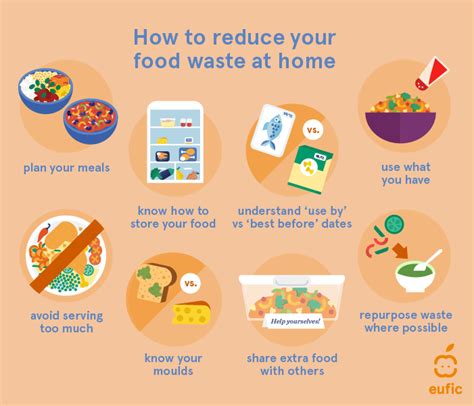
By implementing these smart storage strategies, you’re not just extending the life of your seasonal produce; you’re also making a significant impact on your wallet and the environment. Less food waste means fewer trips to the grocery store, more money saved, and a reduced carbon footprint. So next time you bring home that beautiful bounty, empower yourself with the knowledge to keep it fresh, vibrant, and delicious for as long as possible.