Smartest fresh produce storage hacks for peak flavor & visual appeal?

Transform your kitchen into a hub of freshness and flavor by mastering the art of produce storage. No one enjoys tossing wilted greens or mushy berries. With a few smart strategies, you can significantly extend the life of your fruits and vegetables, ensuring they retain their peak taste, nutritional value, and visual appeal.
Understanding the Basics: Enemies of Freshness
Before diving into specific hacks, it’s crucial to understand what makes produce spoil: moisture loss, excess moisture, ethylene gas, and improper temperature. Addressing these factors is key to successful storage.

Leafy Greens & Herbs: Keeping Them Crisp
Leafy Greens (Lettuce, Spinach, Kale)
The biggest enemy of leafy greens is moisture – both too little and too much. Wash greens, dry them thoroughly (a salad spinner is your best friend), then wrap them in paper towels and store in an airtight container or zip-top bag in the crisper drawer. The paper towels absorb excess moisture, preventing sliminess, while the container maintains a consistent humidity level.
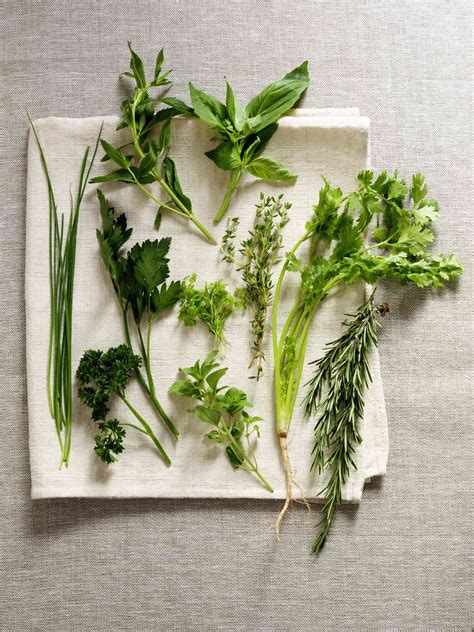
Fresh Herbs (Cilantro, Parsley, Basil)
Treat most herbs like a bouquet of flowers. Trim the stems, place them in a small glass of water, cover loosely with a plastic bag (or a specialized herb saver), and store in the refrigerator. Basil, however, prefers room temperature; store it in water on the counter away from direct sunlight. Mint and chives can be wrapped in a damp paper towel and placed in a sealed bag.
Berries & Stone Fruits: Delicate Care
Berries (Strawberries, Blueberries, Raspberries)
Mold is the nemesis of berries. A quick vinegar wash can work wonders: Gently rinse berries in a solution of 1 part white vinegar to 3 parts water. This kills mold spores. Rinse again with plain water, then dry completely on paper towels before storing in a single layer in an open container lined with paper towels in the fridge. Don’t wash until just before eating.
Stone Fruits (Peaches, Plums, Nectarines)
Store unripe stone fruits at room temperature, stem-side down, in a single layer until they soften. Once ripe, move them to the refrigerator to slow down further ripening and preserve their sweetness. Keep them separate from ethylene-producing fruits like apples.
Root Vegetables & Alliums: Dark, Cool, and Dry
Potatoes & Onions
Both potatoes and onions thrive in cool, dark, and dry places with good air circulation, like a pantry or cellar. Crucially, store them separately! Onions emit ethylene gas that can cause potatoes to sprout prematurely, and potatoes release moisture that can make onions rot faster. Keep them in mesh bags or open baskets.
Carrots & Celery
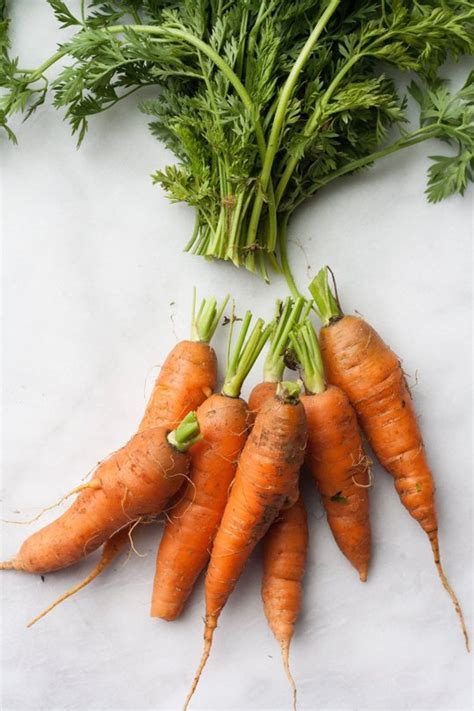
To keep carrots and celery crunchy, submerge them in water. Store peeled carrots or celery sticks in an airtight container filled with water in the fridge, changing the water every few days. For whole carrots, trim the green tops (they draw moisture out), then store them in a damp paper towel or loosely in a bag in the crisper.
Ethylene Gas: The Silent Ripener
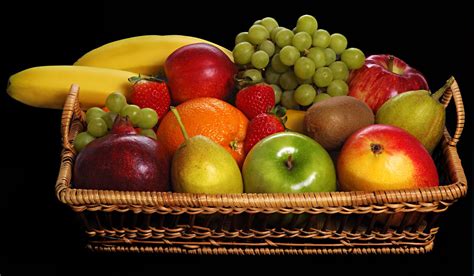
Some fruits, known as climacteric fruits, produce ethylene gas as they ripen, which can accelerate the ripening (and spoilage) of other produce around them. Keep ethylene producers (apples, bananas, avocados, tomatoes, peaches, pears) separate from ethylene-sensitive produce (leafy greens, berries, carrots, broccoli, citrus fruits). Store bananas on their own, and consider wrapping the stems of a banana bunch in plastic wrap to slow down ripening.

Avocados & Tomatoes: Unique Needs
Avocados
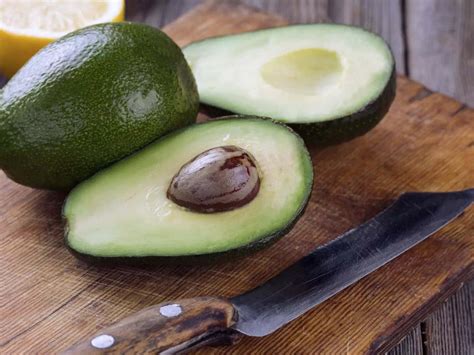
Unripe avocados should be stored at room temperature. To speed up ripening, place them in a paper bag with an apple or banana. Once ripe, store them in the fridge to extend their life. For a cut avocado, rub the exposed flesh with lemon juice or olive oil, then wrap tightly in plastic wrap or place in an airtight container with a slice of onion or in a bowl of water to prevent browning.
Tomatoes
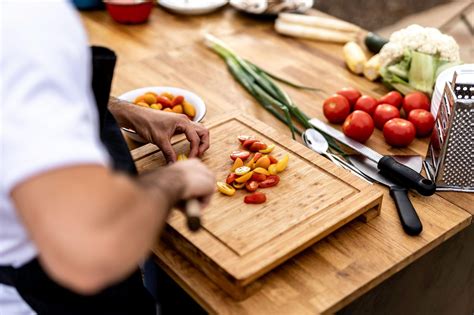
Never refrigerate whole, ripe tomatoes! Cold temperatures degrade their flavor and texture. Store them stem-side down at room temperature, away from direct sunlight. Only move very ripe tomatoes to the fridge if you need to buy a day or two, but expect a slight loss in quality. For cut tomatoes, cover and refrigerate.
Conclusion: A Fresher, More Flavorful Kitchen
Implementing these simple yet effective storage hacks will not only extend the shelf life of your fresh produce but also ensure that every bite is as flavorful and visually appealing as possible. Say goodbye to food waste and hello to a kitchen full of vibrant, healthy ingredients ready to elevate your meals.