Smartest veggie drawer organization for zero food waste?
The Forgotten Realm: Why Your Veggies Spoil Too Soon
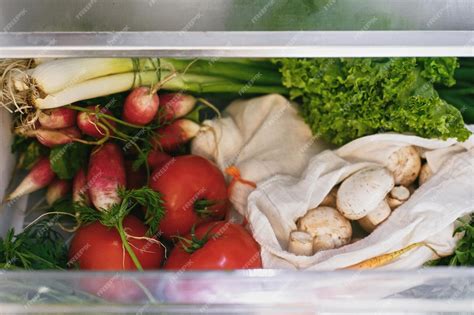
How often do you reach into your refrigerator’s vegetable drawer, only to find forgotten, wilted, or even moldy produce lurking at the back? It’s a common kitchen woe, costing households money and contributing significantly to food waste. But imagine a crisper drawer that’s not only impeccably organized but also keeps your greens vibrant and your roots crisp for longer. Achieving zero food waste in this essential space is not just a dream – it’s an achievable reality with smart organization and storage techniques.
The key to reducing spoilage lies in understanding the unique needs of different vegetables, mastering humidity control, and implementing a system that makes produce visible and accessible. Let’s transform that chaotic drawer into a fresh food haven.
Pre-Storage Prep: The First Step to Longevity
Before any vegetable enters your drawer, a little preparation can go a long way. Not all produce benefits from immediate washing. Leafy greens, for instance, should only be washed just before use to prevent premature spoilage. However, things like carrots or celery can be pre-washed and cut.
Crucially, ensure everything is thoroughly dry before storing. Excess moisture is the enemy of freshness, encouraging mold and rot. Use a salad spinner or paper towels to remove all surface water. Also, remove any rubber bands, twist ties, or restrictive packaging that might trap moisture or damage delicate produce.
Mastering the Crisper Drawers: Humidity Control is Key
Your refrigerator’s crisper drawers aren’t just for aesthetics; they’re engineered with adjustable humidity settings for a reason. Understanding these settings is fundamental to extending the life of your produce:
- High-Humidity Setting (often labeled ‘vegetables’): This setting traps moisture, creating an ideal environment for delicate, leafy greens and moisture-loving vegetables. Think spinach, lettuce, kale, broccoli, asparagus, and herbs.
- Low-Humidity Setting (often labeled ‘fruits’): This setting vents out moisture, preventing excess humidity that can cause certain produce to rot. It’s perfect for items that emit ethylene gas (a ripening agent) or prefer drier conditions, such as apples, pears, root vegetables (carrots, potatoes, onions – though onions and potatoes are often best outside the fridge), and bell peppers.
Segregating ethylene-producing fruits from ethylene-sensitive vegetables is also vital, as the gas can prematurely ripen and spoil the latter.

Smart Organization Strategies: See It, Use It!
The ‘out of sight, out of mind’ phenomenon is a leading cause of food waste. An organized drawer makes it easy to see what you have, encouraging you to use it before it spoils.
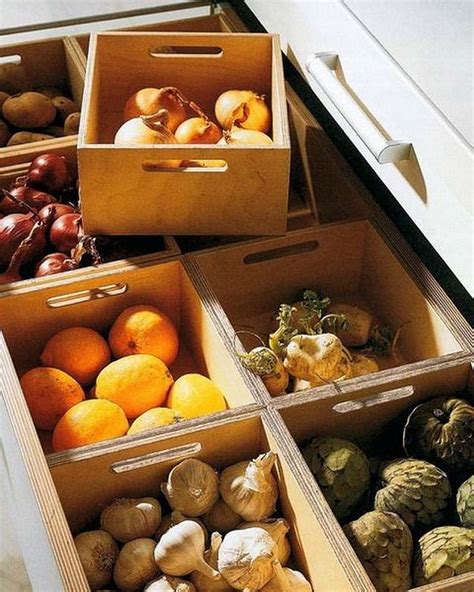
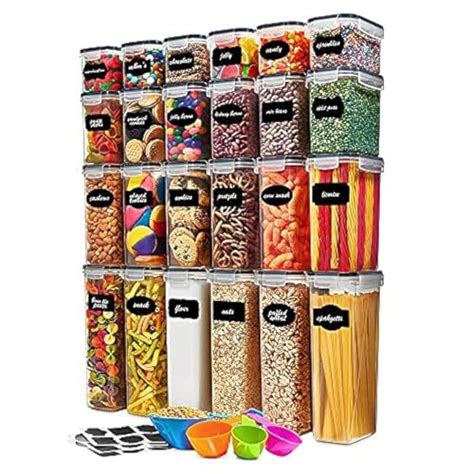
- Categorize and Contain: Invest in clear, stackable containers or bins. Group similar items together (e.g., all leafy greens, all root vegetables). Clear containers allow you to see contents at a glance.
- First In, First Out (FIFO): Place items purchased earlier or nearing their prime at the front of the drawer. Consider a dedicated ‘Eat Me First’ bin.
- Vertical Storage: For taller items like celery or leeks, use tall, narrow containers to stand them upright, maximizing space and visibility.
- Labeling: Briefly label containers with the item and purchase date if you’re prone to forgetting.
Specific Veggie Storage Hacks for Zero Waste
- Leafy Greens (Lettuce, Spinach, Kale): Wrap unwashed greens in a paper towel, then place them in an airtight container or a sealed bag in the high-humidity drawer. The paper towel absorbs excess moisture.
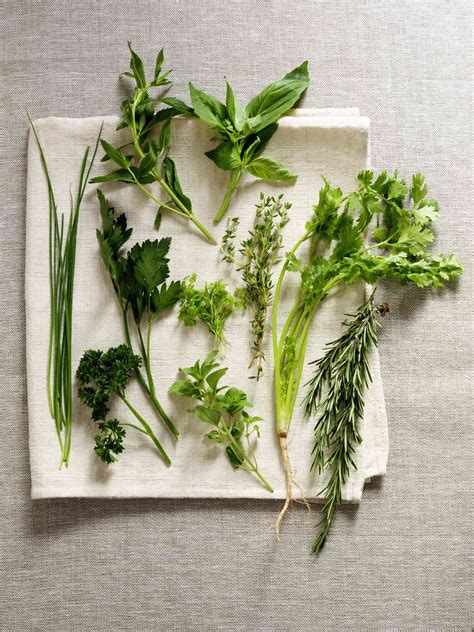
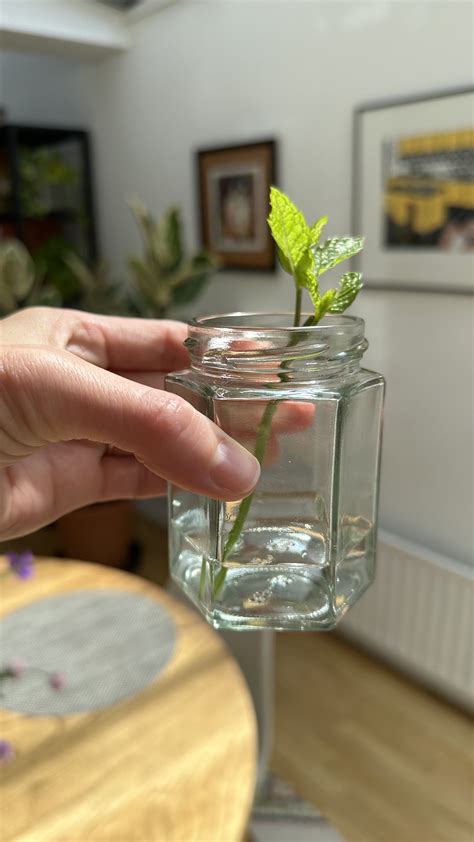
- Herbs (Cilantro, Parsley, Basil): Treat them like a bouquet of flowers. Trim the ends, place them in a glass with an inch of water, and cover loosely with a plastic bag. Store in the high-humidity drawer (except basil, which prefers room temperature).
- Carrots, Celery: Store submerged in water in an airtight container in the low-humidity drawer. Change the water every few days.
- Asparagus: Stand spears upright in a jar with an inch of water, cover loosely with plastic, and store in the high-humidity drawer.
- Berries: A quick vinegar bath (1 part white vinegar to 3 parts water) followed by a thorough rinse and drying can inhibit mold. Store in a single layer in a breathable container.
The Weekly Refresh & Meal Planning Connection
A smart veggie drawer isn’t a one-time setup; it requires a weekly refresh. Before grocery shopping, pull everything out, clean the drawer, and assess your inventory. This ritual helps you plan meals around what needs to be eaten, reducing spontaneous purchases and ensuring nothing gets forgotten.
Don’t be afraid to get creative with produce nearing its end. Slightly wilting greens can be revived in an ice bath or perfectly fine for smoothies, soups, or stir-fries. Soft bell peppers or tomatoes can become sauces or roasted vegetables. The goal is to maximize every piece of produce you bring home.
Conclusion: A Smarter Kitchen, A Greener Planet
Implementing these smart organization and storage strategies for your veggie drawer goes beyond just tidiness. It’s a proactive step towards significantly reducing food waste, saving money on groceries, and ensuring you always have fresh, nutritious ingredients on hand. With a little intentionality and a few simple hacks, you can transform your refrigerator into a hub of freshness and sustainability, one perfectly preserved carrot at a time.