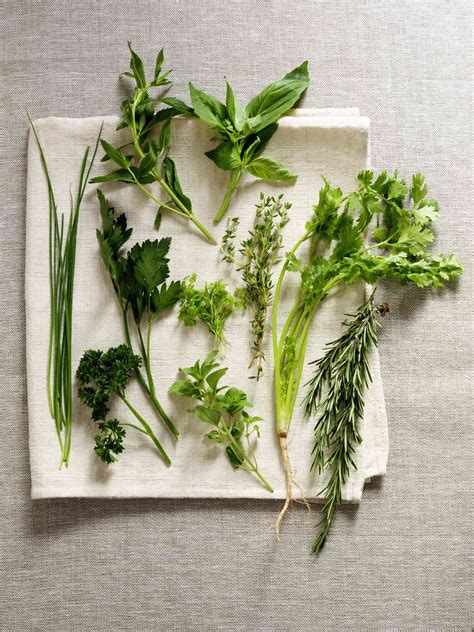
Soggy greens? Keep salads crisp and visually vibrant longer!

The Quest for Perpetual Crispness: Say Goodbye to Soggy Salads
There’s nothing quite as disheartening as reaching for a fresh, vibrant salad only to find your beautiful greens have transformed into a limp, soggy mess. Salads are a cornerstone of healthy eating and a delightful addition to any meal, but their short shelf life and propensity for wilting can be frustrating. The good news is, achieving and maintaining that satisfying crunch isn’t a culinary myth; it’s a science, and with a few simple techniques, you can keep your salads crisp, flavorful, and visually appealing for much longer.
The primary culprits behind a soggy salad are often excess moisture, improper storage, and premature dressing. Understanding these factors is the first step toward salad longevity. Let’s delve into the practical strategies that will revolutionize your salad game, ensuring every bite is as fresh as the first.
Mastering the Art of Washing and Drying Greens
Proper preparation begins before storage. Washing your greens thoroughly is essential to remove dirt and pesticides, but it’s equally important to remove all excess water. This step is often overlooked, leading to rapid spoilage.
Washing Techniques:
- Cold Water Bath: Submerge your greens in a large bowl of cold water. Swish them gently to dislodge any dirt. Repeat this process until the water remains clear.
- Gentle Handling: Avoid bruising the leaves, as this can accelerate wilting.
The Critical Drying Phase:
This is where many salads meet their untimely demise. Water clinging to the leaves creates a humid environment that promotes bacterial growth and makes greens go limp faster.
- Salad Spinner: A salad spinner is an invaluable tool for this. Spin your greens in batches until they are thoroughly dry. You’ll be amazed at how much water it removes.
- Paper Towels/Clean Cloth: If you don’t have a spinner, gently pat the greens dry with paper towels or a clean kitchen towel. Be meticulous; every drop counts.
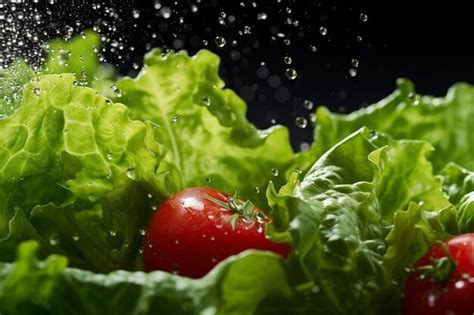
Optimal Storage Solutions for Extended Freshness
Once your greens are clean and dry, how you store them makes all the difference. The goal is to create an environment that’s cool, slightly humid (but not wet), and allows for some air circulation.
The Paper Towel Method:
This is a widely popular and effective technique:
- Line an airtight container or a large zip-top bag with a layer of dry paper towels.
- Place your thoroughly dried greens on top of the paper towels.
- Add another layer of paper towels on top of the greens.
- Seal the container or bag, ensuring some air remains inside. The paper towels will absorb any residual moisture, keeping the greens crisp. Change the paper towels if they become damp.
Glass Containers with Lids:
Glass containers are excellent for visibility and can be reused. Follow the paper towel method within the glass container. Ensure the lid forms a good seal.
Dedicated Produce Bags:
Some specialized produce bags are designed to regulate moisture and airflow, offering another great option for keeping greens fresh.
The Golden Rule: Dress Your Salad Just Before Serving
This cannot be stressed enough. Dressing, especially oil- and vinegar-based ones, immediately starts to break down the cellular structure of delicate greens, causing them to wilt rapidly. Acids in dressings pull moisture from the leaves, leading to sogginess.
- Separate Storage: Always store your dressing separately from your greens and other salad components.
- Dress Individually: If preparing salads for packed lunches or meal prep, store a small portion of dressing in a separate container and add it right before you’re ready to eat.
- Minimal Dressing: Even when serving immediately, start with a small amount of dressing and add more if needed. Over-dressing can quickly overpower the fresh taste and texture of your greens.
Additional Tips for a Consistently Crisp and Visually Vibrant Salad
- Chill All Components: Ensure all your salad ingredients, not just the greens, are well-chilled before assembly. Cold ingredients stay crisper longer.
- Layer Wisely: If you’re building a salad in a jar or container, place wet or heavier ingredients (like tomatoes or cucumbers) at the bottom, followed by proteins, then grains, and finally the delicate greens at the top.
- Add Crunch at the Last Minute: Croutons, nuts, seeds, and crunchy vegetables like bell peppers or radishes should be added just before serving to maintain their texture.
- Revive Limp Greens: If your greens are slightly limp but not spoiled, a quick dip in an ice-cold water bath for 15-30 minutes can often revive them, making them crisp again. Ensure you dry them thoroughly afterward.

Embrace the Crisp: Enjoy Fresher Salads Every Time
By implementing these straightforward techniques, you’ll not only extend the life of your salad greens but also enhance the overall enjoyment of your salads. No more sad, soggy greens! With proper washing, meticulous drying, smart storage, and the golden rule of dressing just before serving, your salads will remain crisp, vibrant, and delicious, making healthy eating both easier and more appealing. Happy salad making!