Specific Visual Bites lighting & composition tips for foodie drool-factor?
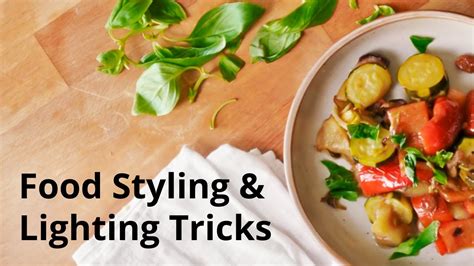
The Art of Appetizing Visuals
Creating food photography that truly makes viewers drool goes beyond just pointing and shooting. It’s a delicate dance between light and composition, transforming a delicious dish into an irresistible visual experience. For “Visual Bites” that truly capture attention and tantalize the taste buds, a thoughtful approach to these two pillars is essential.
Mastering the Light: Illuminating Your Culinary Creations
Light is arguably the most critical ingredient in food photography. It shapes the food, reveals its textures, and sets the mood. Getting it right can elevate a simple dish to an epicurean masterpiece.
Natural, Diffused Light is Your Best Friend
Whenever possible, opt for natural light, specifically indirect window light. It’s soft, flattering, and creates beautiful gradients. Position your food near a window, but never in direct sunlight, which can create harsh shadows and blown-out highlights. Use a sheer curtain, a translucent diffuser, or even a white bed sheet to soften the light further, mimicking the gentle glow of an overcast day.
Embrace Backlighting and Sidelighting
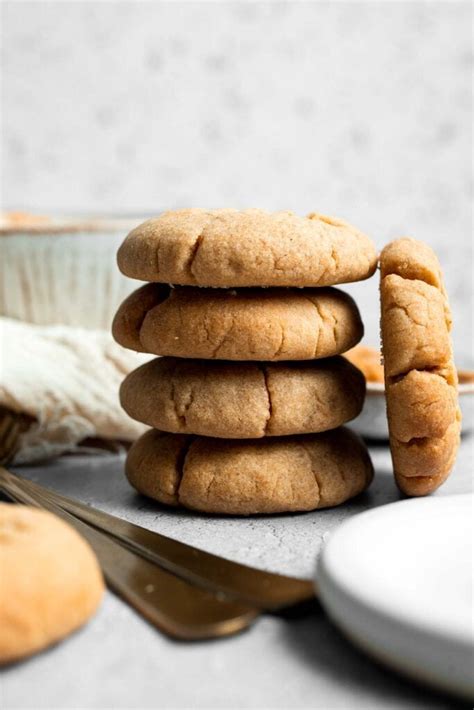
These lighting techniques are gold for adding dimension and “sparkle” to your food. Backlighting (light coming from behind the food) makes liquids glow, highlights steam, and creates a beautiful rim light around your subject, separating it from the background. Sidelighting (light coming from the side) is excellent for emphasizing texture, making crusts look crispier and sauces more luscious. Experiment with a 45-degree angle from the back or side for the most dynamic results.
Control Shadows and Reflections
While some shadows add depth, harsh, distracting shadows can ruin a shot. Use white foam boards or reflectors to bounce light back into the shadowed areas, lifting them gently. Conversely, use black cards or “flags” to deepen shadows in specific areas if you want more dramatic contrast. Be mindful of reflections, especially on glossy surfaces; adjust your angle or light source to eliminate unwanted glare.
Composing a Feast for the Eyes: Crafting Irresistible Scenes
Composition is how you arrange elements within your frame to guide the viewer’s eye and tell a story. A well-composed food photo is balanced, engaging, and makes the food the undisputed star.
The Rule of Thirds and Negative Space
Don’t always center your food. Applying the rule of thirds, place your main subject along the intersecting lines or at the points where they meet. This creates a more dynamic and pleasing image. Equally important is negative space – the empty areas around your food. It gives the eye a place to rest, prevents clutter, and allows your dish to breathe and stand out.
Depth of Field for Focus and Flair
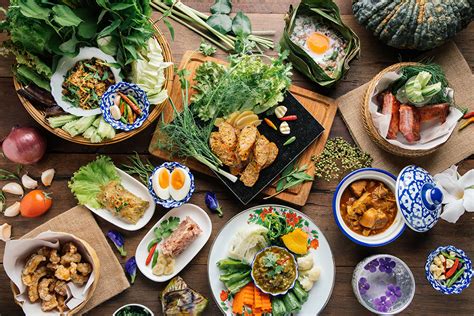
A shallow depth of field (wide aperture like f/1.8 or f/2.8) blurs the background beautifully, creating a creamy bokeh effect that makes your subject pop. This technique isolates the food, directing all attention to its mouth-watering details. Decide what part of the dish you want to be razor-sharp – usually the most appealing part, like a glistening sauce or a perfectly seared edge.
Angles and Perspective
The angle from which you shoot dramatically changes how the food is perceived.
- Overhead (Flat Lay): Ideal for bowls, pizzas, elaborate table settings, or dishes with many appealing ingredients on top. It offers a clean, graphic look.
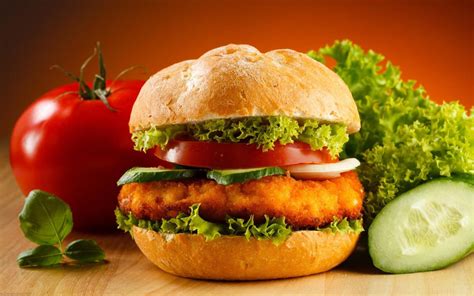
- 45-Degree Angle: Mimics how we usually view our food at a table. Great for burgers, sandwiches, and dishes with height. It shows depth and a good balance of top and side views.
- Straight-On (Eye Level): Perfect for showcasing layers, tall drinks, or stacks of pancakes. It gives the food a monumental feel.

Storytelling Through Props and Styling
Props should enhance, not distract. Choose simple, complementary elements like a rustic linen napkin, a vintage fork, or a strategically placed ingredient used in the dish. Consider textures and colors that support the food without overpowering it. A cohesive color palette and a clean background are often more impactful than a busy, cluttered scene.
Final Touches for That Drool-Worthy Appeal
Even with perfect lighting and composition, a few final considerations can push your food photos into the truly irresistible category.
- Keep it Fresh: Shoot quickly while food is at its peak. Garnish just before the shot.
- Show Texture: Highlight crispy edges, glistening sauces, and flaky crusts. These details scream delicious!
- Embrace Imperfections: A few crumbs, a drip of sauce, or a slight cut in a pastry can add authenticity and make the food more approachable and real.
- Thoughtful Post-Processing: Minor adjustments to contrast, saturation, sharpness, and white balance can bring out the best in your image without making it look artificial.
Plate, Light, Shoot, Delight!
Creating “drool-factor” in your food photography is an art form refined with practice and attention to detail. By consciously manipulating light to highlight texture and depth, and by composing your shots to tell an inviting story, you can transform your visual bites into truly captivating culinary experiences. So, next time you’re about to snap a picture of your meal, pause, consider your light and composition, and prepare to make stomachs rumble!