Spotting visual cues for authentic local eats to avoid tourist traps?

Embarking on a culinary journey in a new destination is often the highlight of any trip. The dream is to discover those hidden gems, the places where locals truly eat, serving up authentic flavors that tell a story. However, the reality can often involve accidentally stumbling into an overpriced, inauthentic ‘tourist trap’ – a place designed more for profit than for genuine gastronomic delight. But fear not, intrepid food adventurer! With a keen eye and a bit of know-how, you can become a master at spotting the visual cues that separate the genuine article from the cleverly disguised impostor.
The Quest for Authenticity: Why Visual Cues Matter
Authentic local eateries are more than just places to fill your stomach; they’re cultural touchstones. They offer a window into the daily life and traditions of a community, served on a plate. Tourist traps, on the other hand, often feature inflated prices, generic menus tailored for a broad, unadventurous palate, and a distinct lack of local charm. Learning to read the visual language of a dining establishment is your most powerful tool in navigating the culinary landscape.

Where Locals Go: Observing the Crowd
One of the most obvious, yet often overlooked, indicators is who is eating there. A restaurant packed with locals – families, business people, friends chatting animatedly in the native tongue – is almost always a good sign. Look for a high ratio of local patrons to tourists. If you see more selfie sticks than serious diners, or hear more English (or your own native language) than the local dialect, it might be a red flag. Pay attention to how people interact with the staff and each other; a genuine local buzz is unmistakable.
Menu Mysteries: Decoding the Offerings
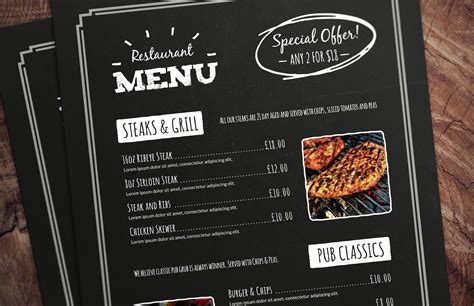
The menu itself offers a wealth of clues. An authentic local spot will often have a simpler, more focused menu that highlights regional specialties. If the menu is multilingual with glossy pictures of generic international dishes, proceed with caution. Look for menus written primarily in the local language, perhaps with a small, unpretentious English translation. Typos in the English translation can even be a good sign, suggesting it wasn’t meticulously crafted for foreign eyes. Daily specials, chalkboards, or handwritten additions often indicate freshness and a commitment to seasonal ingredients.
Ambiance and Appearance: Beyond the Facade
Authentic local spots rarely invest in flashy decor or prime, high-rent locations. They are often tucked away on side streets, down an alley, or in a less polished part of town. Look for humble, unassuming exteriors and interiors that prioritize functionality and comfort over chic design. The furniture might be worn, the paint chipped, but there’s a certain lived-in charm. A kitchen that is visible and appears busy, yet clean, can also be a reassuring sign. Conversely, a place that looks overly curated, sterile, or has neon signs screaming “AUTHENTIC LOCAL FOOD HERE!” is likely trying too hard.

The Food Itself: Presentation and Portions
When the food arrives, its presentation can speak volumes. Authentic local dishes are often served without excessive garnishes or elaborate plating meant for Instagram. They are typically hearty, rustic, and look like they’re meant to be eaten, not just admired. Portion sizes are usually generous and proportionate to the price. If the food looks too ‘perfect’ or overly styled, it might be catering to a different aesthetic than genuine home-style cooking.
The Little Details: Pricing and Local Endorsements
Finally, consider the pricing. Is it significantly higher than other similar establishments in the area? Tourist traps often hike up prices, knowing visitors are less likely to compare. Also, keep an eye out for queues – a line of locals waiting patiently for a table or a street vendor is almost always a golden ticket. Don’t be afraid to ask locals for recommendations; a quick “Where do you eat?” can lead to culinary gold. Trust your instincts, embrace the slightly rough-around-the-edges, and prepare for a truly memorable meal.

Conclusion: Eat Like a Local, Live Like a Local
Becoming adept at spotting these visual cues transforms your travel experience. It’s not just about avoiding bad food; it’s about connecting more deeply with the culture you’re visiting, savoring flavors that have been perfected over generations, and creating truly authentic memories. So, next time you’re exploring a new city, put on your detective hat, trust your gut, and let the local scene guide you to your next unforgettable meal.