Stop food waste: Best storage hacks for keeping produce camera-ready?

The Produce Predicament: Why Smart Storage is Key
Food waste is a significant global issue, contributing to environmental damage and draining household budgets. A substantial portion of this waste comes from produce that spoils before we have a chance to eat it. Imagine perfectly ripe avocados turning brown overnight or leafy greens wilting just days after purchase. The good news is that with a few simple, strategic storage hacks, you can dramatically extend the life of your fruits and vegetables, keeping them fresh, vibrant, and truly “camera-ready” for longer.
Proper storage isn’t just about saving money; it’s about preserving nutrients, enhancing flavor, and reducing your environmental footprint. By understanding the unique needs of different types of produce, you can create an optimal environment that slows down spoilage and keeps your ingredients at their peak.

Greens, Herbs, and Berries: Delicate Darlings Need Care
Leafy greens like lettuce, spinach, and kale thrive on moisture without being waterlogged. Wash them gently, dry them thoroughly with a salad spinner or paper towels, then wrap them in a dry paper towel before placing them in an airtight container or a sealed bag in the crisper drawer. This method absorbs excess moisture that leads to sliminess.
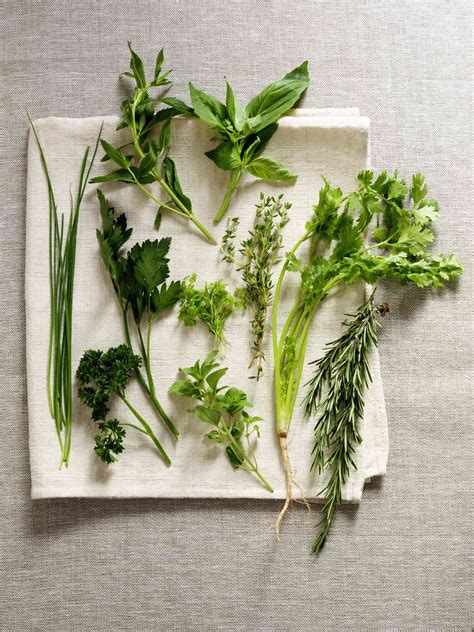
Fresh herbs can be revived and kept vibrant by treating them like flowers. Trim the stems, place them in a glass with an inch of water, and cover loosely with a plastic bag. Store this setup in the refrigerator for dill, cilantro, and parsley. Basil, however, prefers room temperature.
Berries are susceptible to mold. A quick vinegar bath (one part white vinegar to three parts water) can work wonders. Rinse them well after the bath, then spread them in a single layer on paper towels to air dry completely before storing them unwashed in a breathable container in the fridge.

Root Vegetables & Hardier Fruits: Cool, Dark, and Separated
Potatoes, onions, and garlic are best stored in a cool, dark, and dry place with good air circulation, away from direct sunlight. Never store potatoes and onions together, as onions emit ethylene gas that can cause potatoes to sprout prematurely. Keep them in separate baskets or bins in your pantry.
Apples, while hardy, can ripen other produce quickly due to their ethylene production. Store them separately in your crisper drawer. Citrus fruits like oranges, lemons, and limes can last for weeks in the refrigerator’s crisper drawer but also do well at room temperature for about a week if you plan to use them quickly.
Avocado, Tomatoes, & Bananas: Understanding Ripeness
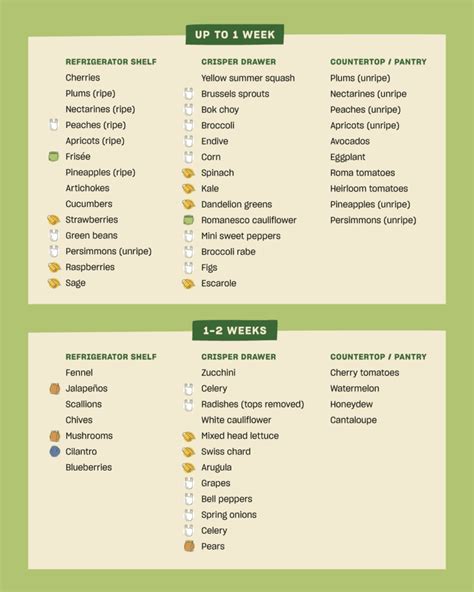
Avocados are tricky. To ripen them faster, place them in a paper bag with an apple or banana. Once ripe, store whole avocados in the fridge to slow down further ripening. Halved avocados can be kept from browning by leaving the pit in, brushing the exposed flesh with lemon juice, and wrapping tightly in plastic wrap or placing in an airtight container.
Tomatoes lose their flavor and texture when refrigerated. Store them stem-side down at room temperature, away from direct sunlight, until ripe. Only refrigerate very ripe tomatoes if you need to extend their life for a day or two, but expect a slight change in texture.
Bananas ripen quickly. To slow the process, wrap the stems of a bunch tightly in plastic wrap. If you only need one or two to ripen at a time, separate them from the bunch. Brown bananas are perfect for baking, or you can peel and freeze them for smoothies.

General Tips for Prolonging Produce Freshness
Beyond specific produce types, a few general rules can make a big difference. Avoid washing produce until you’re ready to use it, as excess moisture can accelerate spoilage. Understand which fruits and vegetables are “ethylene producers” (like apples, bananas, and tomatoes) and store them separately from “ethylene sensitive” items (such as leafy greens, broccoli, and carrots) to prevent premature ripening.
Ensure good air circulation, especially for items stored in your pantry. Using mesh bags or open baskets rather than sealed plastic bags for items like onions and potatoes can prevent moisture buildup and mold. Regularly check your produce and remove any spoiled items immediately to prevent mold from spreading to other pieces.

A Fresher Kitchen Awaits
Implementing these simple produce storage hacks will not only help you reduce food waste but also ensure you always have fresh, vibrant ingredients on hand. Imagine opening your fridge to a bounty of crisp greens, firm berries, and perfectly ripe fruits, all ready for your next meal or culinary creation. By adopting these habits, you’ll be making a positive impact on your wallet, your health, and the planet, one perfectly stored vegetable at a time.