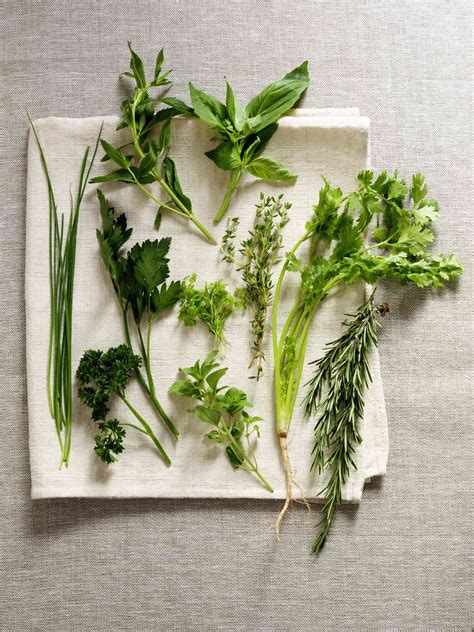
Stop food waste! How do real foodies keep delicate fresh herbs vibrant longer?

The Frustrating Cycle of Wilted Herbs
There’s nothing quite like the burst of fresh flavor that herbs add to a dish. Whether it’s the bright zest of cilantro in a salsa, the aromatic comfort of rosemary in a roast, or the peppery kick of basil in a pesto, fresh herbs are indispensable for elevating home cooking. However, their delicate nature often leads to a frustrating cycle: buying a beautiful bunch, using a small portion, and watching the rest wilt into a sad, slimy mess in the refrigerator drawer. This isn’t just disappointing; it’s a significant contributor to food waste.
But what if you could break this cycle? What if your parsley stayed perky for weeks, and your basil remained fragrant and green? Real foodies and professional chefs have mastered the art of herb preservation, transforming them from fleeting ingredients into long-lasting kitchen staples. It’s not magic; it’s understanding a few simple principles and applying clever techniques.
Understanding Herb Longevity: The Enemy of Freshness
The primary culprits behind prematurely wilting herbs are moisture loss, excessive moisture, and temperature fluctuations. Delicate leaves quickly lose water, causing them to limp and discolor. Conversely, too much moisture can promote rot and mold growth. Each herb type has its unique preferences, but a general understanding of these factors is the first step towards better preservation.
The Golden Rules of Herb Storage: Prep Like a Pro
Before diving into specific methods, a few universal rules apply to almost all fresh herbs to maximize their lifespan:
- Inspect and Trim: Remove any yellowed, bruised, or damaged leaves immediately. These can hasten spoilage for the entire bunch.
- Wash Only When Necessary: While some methods require washing, for others, it’s best to wash herbs just before use to avoid introducing excess moisture that can lead to rot. If washing is required for storage, ensure they are thoroughly dry afterward.
- Gentle Handling: Herbs are delicate. Handle them gently to prevent bruising, which can accelerate spoilage.

Method 1: The ‘Bouquet’ Method – Hydration for Sturdy Stems
This method works wonders for herbs with sturdier stems that thrive on hydration, much like cut flowers. Think parsley, cilantro, dill, mint, and sometimes even chives.
How to Do It:
- Trim the Ends: Snip about half an inch off the bottom of the stems.
- Water Bath: Place the trimmed herbs upright in a glass or jar with about an inch of fresh, cool water, like a bouquet of flowers.
- Cover Loosely: Loosely cover the herbs with a plastic bag (a produce bag works perfectly), creating a mini-greenhouse effect. Avoid sealing it tightly, as herbs need to breathe.
- Refrigerate: Place the covered jar in the refrigerator. Change the water every 1-2 days.
Longevity: 2-3 weeks for most herbs.
Method 2: The ‘Paper Towel Roll’ Method – Dryness for Tender Leaves
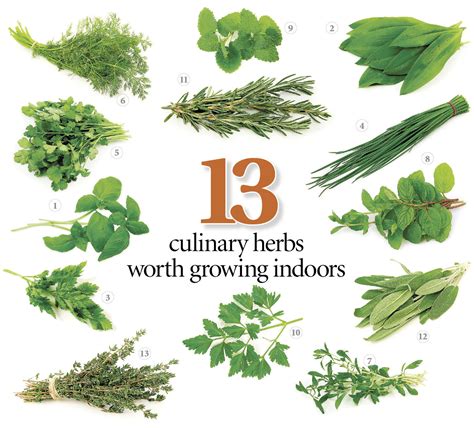
Tender herbs like basil, tarragon, chives, and even sometimes cilantro and parsley benefit from this method, which focuses on keeping them dry but slightly humid.
How to Do It:
- Pat Dry (Crucially!): If you’ve washed your herbs, lay them out on a clean kitchen towel or paper towels and gently pat them until absolutely no moisture remains. Excess water is the enemy here.
- Wrap Tightly: Lay the herbs flat on a slightly damp (not wet!) paper towel. Roll them up gently but securely.
- Bag It: Place the wrapped bundle into a resealable plastic bag or an airtight container.
- Refrigerate: Store in the crisper drawer of your refrigerator.
Special Note for Basil: Basil is notoriously finicky. It dislikes cold temperatures and can blacken in the fridge. For basil, the ‘bouquet’ method at room temperature (away from direct sunlight) is often preferred, covering it loosely to retain humidity. However, if your kitchen is very warm, a very short stint in the fridge using the paper towel method might be necessary.
Longevity: 1-2 weeks.
Method 3: The ‘Blanch and Freeze’ Method – Long-Term Freshness
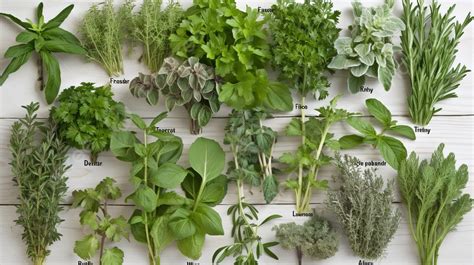
For those times when you have an abundance of herbs or want to store them for months, freezing is an excellent option. This works especially well for herbs you cook with regularly, like parsley, cilantro, basil, and chives.
How to Do It:
- Blanch (Optional, but Recommended for Color/Flavor): Briefly dunk the herbs in boiling water for 10-15 seconds, then immediately transfer them to an ice bath to stop the cooking process. This helps preserve color and flavor. Skip this step for chives or delicate herbs if you prefer.
- Dry Thoroughly: Pat the blanched herbs as dry as possible.
- Chop: Finely chop the herbs.
- Freeze in Oil/Water: Place the chopped herbs into ice cube trays. Fill the trays with olive oil (great for cooking!) or water.
- Freeze Solid: Once frozen, pop out the cubes and transfer them to a freezer-safe bag or container.
Longevity: 3-6 months.

Method 4: The ‘Air Drying’ Method – Rustic Preservation
Robust, woody herbs like rosemary, thyme, oregano, marjoram, and bay leaves are perfect candidates for air drying. This method changes their flavor profile slightly but concentrates their essence, making them fantastic for long-term storage.
How to Do It:
- Gather Bunches: Tie small bunches of herbs together with twine.
- Hang Upside Down: Hang the bunches upside down in a warm, dry, well-ventilated area away from direct sunlight. A pantry, a corner of the kitchen, or even a closet works.
- Wait: Drying can take anywhere from a few days to a couple of weeks, depending on the humidity and herb type. They are dry when the leaves crumble easily.
- Store: Once completely dry, strip the leaves from the stems and store them in airtight containers away from light and heat.
Longevity: Up to a year or more.

Beyond Storage: Maximizing Your Herb Harvest
Even with the best storage, sometimes you have an abundance. Don’t let it go to waste! Get creative:
- Pestos: Blend almost any green herb (basil, parsley, cilantro, mint) with nuts, garlic, cheese, and olive oil.
- Infused Oils/Vinegars: Steep herbs in olive oil or white vinegar for flavorful dressings and marinades.
- Compound Butters: Mix finely chopped herbs into softened butter for a gourmet touch to toast, vegetables, or meats.
- Herb Salts: Blend herbs with coarse sea salt for a unique seasoning.
Conclusion: Embrace the Herb Life
With these simple yet effective strategies, you can transform your relationship with fresh herbs. No longer will you dread watching them wilt away; instead, you’ll enjoy vibrant flavors and significantly reduce your food waste. By understanding the unique needs of each herb and applying the right preservation technique, you’ll always have fresh, flavorful herbs on hand, ready to elevate your culinary creations. Happy cooking, and say goodbye to wasted greens!