Stop food waste! How to perfectly store fresh produce for optimal visual appeal?

Few things are as frustrating as watching beautiful, fresh produce wilt, rot, or lose its luster just days after bringing it home from the market. Beyond the disappointment of lost flavor and potential health benefits, improper storage directly contributes to significant food waste. The good news is that with a few simple techniques and a better understanding of what makes your fruits and vegetables thrive, you can keep them looking and tasting their best for much longer, saving money and reducing your environmental footprint.

Understanding the Enemies of Freshness
Before diving into specific storage methods, it’s crucial to understand the main factors that accelerate spoilage: moisture, temperature, and ethylene gas. Excessive moisture can lead to mold and rot, while too little moisture causes wilting. Incorrect temperatures can speed up ripening or cause chilling damage. Ethylene, a natural ripening hormone produced by some fruits and vegetables, can prematurely ripen or spoil sensitive produce stored nearby.
Category-Specific Storage Strategies
Leafy Greens & Herbs
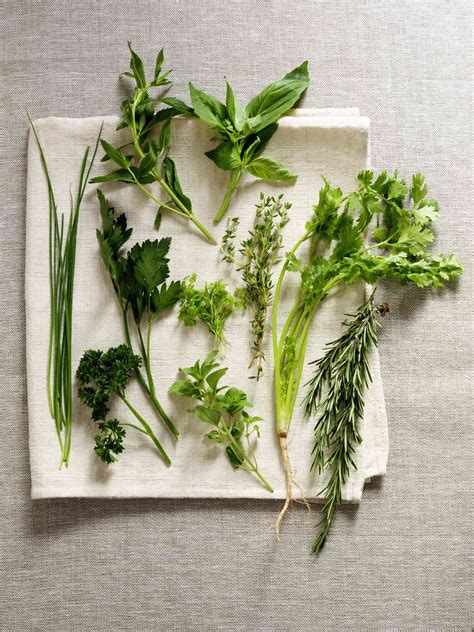
Leafy greens like lettuce, spinach, kale, and fresh herbs are highly susceptible to wilting. The key is to keep them moist but not wet. Wash them thoroughly, then dry them completely using a salad spinner or by patting them gently with paper towels. Store them in an airtight container or a sealed plastic bag lined with a paper towel to absorb excess moisture. Change the paper towel every few days if needed. This method helps maintain their crispness and vibrant green color.
Root Vegetables & Alliums
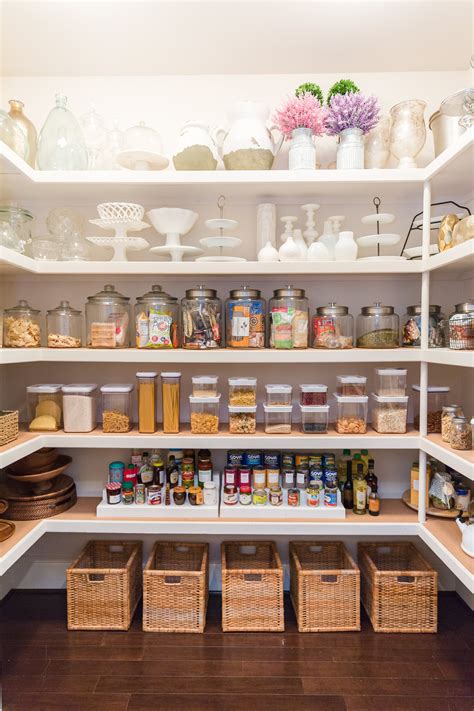
Potatoes, onions, garlic, and squash prefer cool, dark, and dry conditions with good air circulation. Never store potatoes and onions together, as onions release ethylene gas that can cause potatoes to sprout prematurely. Keep them in separate baskets or bins in a pantry or cupboard. Carrots, radishes, and beets should have their greens removed (which draw moisture from the root) and then be stored in a perforated bag or container in the refrigerator’s crisper drawer.
Fruits: The Ethylene Effect
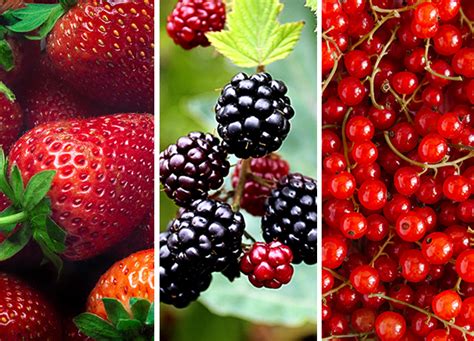
Fruits are often the trickiest due to their varying ethylene production and sensitivity. Ethylene-producing fruits (like apples, bananas, avocados, peaches, and tomatoes) should be stored separately from ethylene-sensitive ones (such as berries, leafy greens, broccoli, and cucumbers). Berries are best stored unwashed in their original containers or in shallow, breathable containers in the refrigerator until ready to eat to prevent mold. Citrus fruits, on the other hand, do well at room temperature for about a week, or refrigerated for longer shelf life.
Other Common Vegetables
- Cucumbers & Bell Peppers: Store them in the crisper drawer of your refrigerator, ideally in a breathable bag or a container to maintain moisture without condensation.
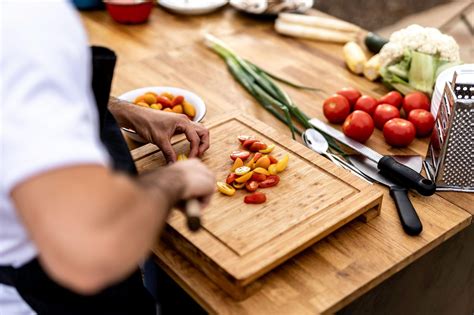
- Tomatoes: Ripe tomatoes should be kept at room temperature, stem-side down, away from direct sunlight to preserve their flavor and texture. Only refrigerate very ripe tomatoes if you need to extend their life for a day or two, but be aware it can affect their texture.
- Broccoli & Cauliflower: These should be stored unwashed in a loosely sealed bag in the refrigerator’s crisper drawer.

Tips for Preserving Peak Visual Appeal
Beyond proper temperature and moisture control, a few habits can further enhance your produce’s longevity and look:
- Gentle Handling: Bruising not only damages the appearance but also creates entry points for bacteria and accelerates spoilage. Handle all produce with care.
- Avoid Pre-Washing: Wash most produce just before use. Excess moisture can encourage mold and bacterial growth, diminishing visual appeal and shelf life.
- Trim & Prep Thoughtfully: Remove any damaged outer leaves from greens or trim unsightly ends from vegetables to prevent the spoilage from spreading. For herbs, ‘bouquet’ storage (stems in water, covered loosely with a bag) can keep them vibrant.
- Rotate Stock: Practice ‘first-in, first-out’ (FIFO) with your produce. Place newer items behind older ones to ensure you use up the older stock before it goes bad.

Conclusion
Mastering the art of produce storage is a game-changer for any kitchen. By understanding the unique needs of different fruits and vegetables and implementing these simple, effective strategies, you can significantly extend their freshness, maintain their vibrant visual appeal, and take a big step towards a more sustainable, waste-free lifestyle. Say goodbye to sad, wilted greens and embrace a fridge full of perfectly preserved produce!