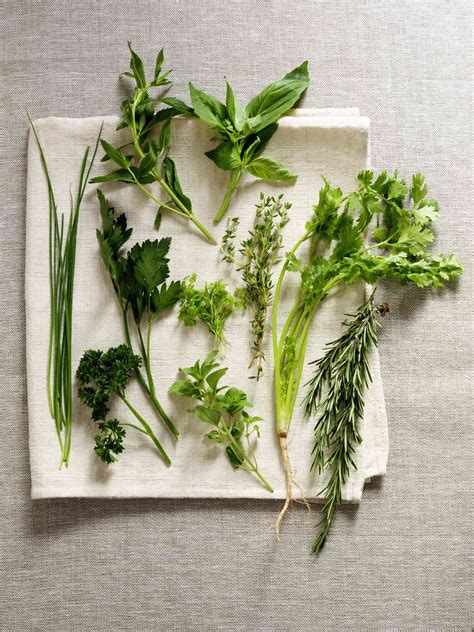
Store fresh herbs longer? Visual tips for vibrant garnish!

Unlock Longer-Lasting Freshness for Your Favorite Herbs
There’s nothing quite like the bright, aromatic punch of fresh herbs to elevate a dish. From a sprinkle of vibrant parsley on soup to a fragrant sprig of rosemary adorning a roast, herbs are culinary game-changers. However, their delicate nature often means they wilt and lose their luster far too quickly, leaving us with sad, limp greenery instead of that desired pop of color and flavor. But what if you could dramatically extend their freshness, keeping them vibrant and ready for action?
Say goodbye to wasted bundles and hello to a refrigerator full of lively greens! This guide will walk you through simple, effective strategies, tailored to different herb types, ensuring your fresh herbs stay crisp, colorful, and packed with flavor for much longer.
Know Your Herbs: Tender vs. Hardy
The secret to successful herb storage often lies in understanding their fundamental differences. Herbs generally fall into two categories: tender and hardy. Treating them appropriately based on their type is the first step to preserving their vitality.
Tender Herbs: The Moisture Lovers
These include delicate varieties like parsley, cilantro, dill, mint, chives, and most types of basil. They have soft stems and leaves, are prone to wilting, and thrive with a bit of moisture. Think of them like a bouquet of flowers.
Hardy Herbs: The Resilient Bunch
Herbs such as rosemary, thyme, oregano, sage, and bay leaves have tougher, woody stems and firmer leaves. They are generally more resilient but still benefit from proper care to maintain their essential oils and crispness.
Best Methods for Tender Herbs
For tender herbs, the goal is to keep them hydrated without making them soggy. Here are two highly effective methods:
-
The “Flower Bouquet” Method
This is arguably the most popular and effective way for many tender herbs (parsley, cilantro, dill, mint). Trim the very ends of the stems, just like you would with flowers. Place the trimmed herbs upright in a glass or mason jar with about an inch of fresh water at the bottom. Cover the leaves loosely with a plastic bag (or even better, a produce bag) to create a mini-greenhouse effect and prevent them from drying out. Store this in your refrigerator. Change the water every day or two. This method can keep herbs fresh for 1-2 weeks.
-
The Damp Paper Towel Roll-Up
For a slightly more compact approach, gently wash and thoroughly dry your tender herbs. Lay them flat on a slightly damp paper towel, then roll them up snugly but not tightly. Place the rolled herbs inside a sealed plastic bag or an airtight container. Store in the refrigerator. This method works well for most tender herbs and can extend their life for about a week.
Optimal Storage for Hardy Herbs
Hardy herbs prefer a drier environment than their tender counterparts, but still need protection from drying out completely.
-
Damp Paper Towel Wrap & Container
Wash and thoroughly dry your hardy herbs. Wrap them loosely in a slightly damp paper towel. Place this bundle inside an airtight container or a resealable plastic bag. Store in the crisper drawer of your refrigerator. This method keeps hardy herbs fresh and aromatic for up to 2-3 weeks.
-
Freezing for Longer Term
For prolonged storage, hardy herbs (and even some tender ones like parsley, though basil not ideal) can be frozen. Chop them finely and pack them into ice cube trays. Cover with a neutral oil (like olive oil) or water. Freeze until solid, then transfer the cubes to a freezer-safe bag. Pop out a cube whenever you need a burst of herb flavor in soups, stews, or sauces. This can preserve them for several months.
Basil: The Special Case
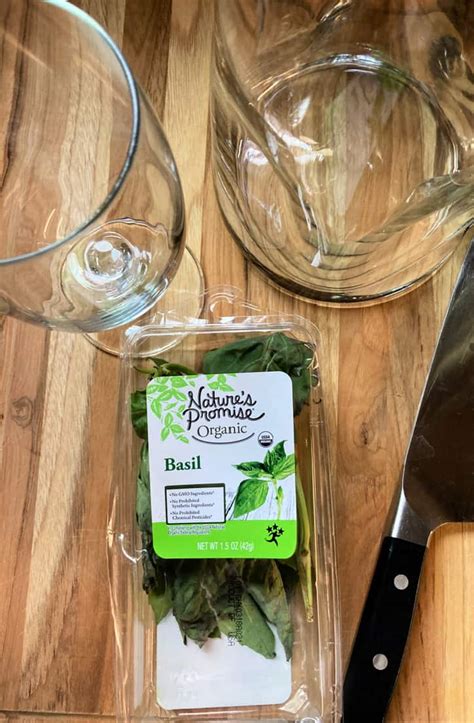
Basil is a unique tender herb that doesn’t appreciate the cold. Storing basil in the refrigerator can cause its leaves to blacken and wilt rapidly due to chill injury. Instead, treat basil much like you would a houseplant:
- Trim the stems and place the basil bouquet in a glass of water on your kitchen counter, out of direct sunlight.
- Cover loosely with a plastic bag if your kitchen is very dry.
- Change the water daily. This method can keep basil vibrant for about a week.
Reviving Wilting Herbs & Key Tips
Even with the best intentions, sometimes herbs start to look a bit droopy. Don’t despair! A quick ice bath can often bring them back to life. Submerge wilted herbs (especially tender ones) in a bowl of ice water for 15-30 minutes. The cold water helps them rehydrate and crisp up.
Essential Tips for Maximum Freshness:
- Dry Them Thoroughly (Mostly): Except for the “flower bouquet” method, excess moisture on leaves can lead to rot. Use a salad spinner or paper towels.
- Don’t Wash Until Needed (Unless Storing Wet): Some prefer to wash right before storage if using the damp paper towel method, others wash just before use. For the “flower bouquet” method, wash after removing from storage.
- Avoid Overcrowding: Give your herbs space in their containers or bags to allow for air circulation.
- Check Regularly: Remove any leaves that show signs of spoilage immediately to prevent it from spreading.

Enjoy Your Beautiful, Flavorful Garnish!
With these simple yet effective storage techniques, you can say goodbye to prematurely wilted herbs and hello to a constant supply of fresh, vibrant greenery. Elevate your culinary creations with beautiful garnishes and an explosion of flavor, knowing your herbs are always at their peak. Happy cooking!