Store fresh produce longer for minimal waste & maximum flavor?

Tired of tossing wilted greens or moldy berries just days after bringing them home from the grocery store? You’re not alone. Food waste is a significant issue, both for our wallets and the environment. But what if a few simple changes to how you store your fruits and vegetables could drastically improve their shelf life, keeping them fresh, flavorful, and ready for your next culinary creation? It’s entirely possible, and easier than you might think.
Understanding the Enemies of Freshness
To win the battle against spoilage, it helps to understand what causes produce to go bad. The main culprits are often ethylene gas, moisture, and incorrect temperatures. Ethylene is a natural plant hormone that some fruits and vegetables produce as they ripen, which can accelerate the ripening (and subsequent spoilage) of other produce around them.
Too much moisture can lead to mold and rot, while too little can cause wilting and drying out. Incorrect temperatures, whether too cold or too warm, can also compromise texture and flavor, and shorten shelf life significantly.
The Golden Rules of Produce Preservation
1. Know Your Zones: Fridge vs. Countertop
Not all produce belongs in the refrigerator. Tomatoes, for example, lose their flavor and develop a mealy texture when chilled. Potatoes and onions prefer cool, dark, and dry places but should never be stored together, as gases released by onions can cause potatoes to sprout. Bananas, avocados, and stone fruits should ripen on the counter and then be moved to the fridge only if you wish to slow down their ripening once they reach your desired stage.
2. Don’t Wash Until Ready
Washing produce before storing it can introduce excess moisture, creating a prime environment for bacteria and mold growth. It’s best to wash your fruits and vegetables just before you’re about to use them.
Separate Ethylene Producers from Ethylene-Sensitive Goods
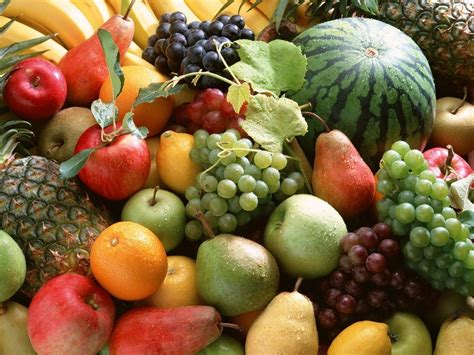
This is a crucial rule for extending the life of your produce. Ethylene-producing items like apples, bananas, avocados, and tomatoes should be stored away from ethylene-sensitive items such as leafy greens, broccoli, carrots, and cucumbers. A simple separation can make a world of difference in preventing premature spoilage.

Mastering Moisture Control and Airflow
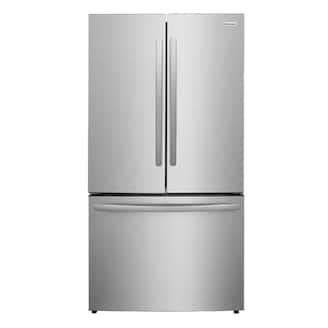
Many refrigerators come equipped with crisper drawers, which are designed to control humidity. The high-humidity drawer is ideal for leafy greens and most vegetables, while the low-humidity drawer is better for fruits. For leafy greens, wrap them in a dry paper towel before placing them in a sealed bag or container to absorb excess moisture.
For items like carrots, celery, or asparagus, trim the ends and stand them upright in a glass of water, similar to a bouquet of flowers, then cover loosely with a bag and store in the fridge. This keeps them hydrated and crisp.
Specific Produce Spotlights (Quick Tips)
- Berries: Don’t wash until ready to eat. Store in their original containers or in a single layer in an airtight container lined with a paper towel. A quick vinegar bath (1 part vinegar to 3 parts water) before rinsing and drying thoroughly can also extend their life.
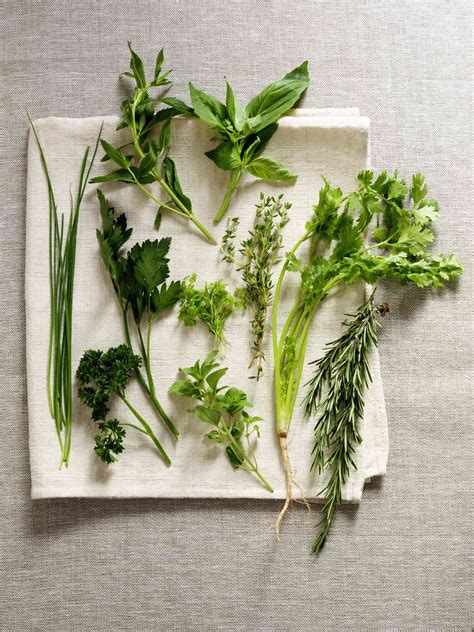
- Herbs: For hardier herbs like rosemary or thyme, wrap them in a damp paper towel and store in a sealed bag. Delicate herbs like cilantro or parsley do best with stems trimmed and placed in a glass of water, covered loosely with a plastic bag, and refrigerated.
- Avocados: Store unripe avocados on the counter. To slow ripening, place them in the fridge. To speed it up, place them in a brown paper bag with an apple or banana.
- Root Vegetables (Carrots, Beets, Radishes): Remove any green tops before storing, as the greens draw moisture from the roots. Store in a sealed container or bag in the crisper drawer.
Beyond Storage: Maximizing Use
Even with perfect storage, produce has a limited shelf life. Be proactive! If you see produce nearing its end, consider freezing it for smoothies (berries, spinach, bananas), making stock (vegetable scraps), or cooking it into a soup, stew, or casserole. Creative meal planning ensures nothing goes to waste and you enjoy every bit of flavor.
Conclusion: Savor Every Bite
By implementing these simple yet effective storage strategies, you’ll not only significantly reduce your food waste but also elevate the flavor and nutritional value of your meals. Fresh, vibrant produce is a cornerstone of healthy eating, and with a little knowledge, you can ensure your kitchen is always stocked with ingredients ready to inspire delicious dishes. Embrace these habits and enjoy the bounty of fresh produce longer and with greater satisfaction.