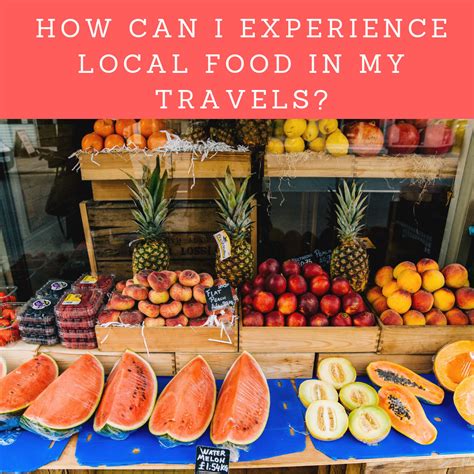
Struggling to capture vibrant, authentic street food visuals on food adventures?

Street food is a feast for all senses – the sizzling sounds, the aromatic spices, the vibrant colors. Capturing its raw, authentic beauty through your lens, however, can be surprisingly challenging. Often, our photos fall short of reflecting the dynamic energy and deliciousness we experienced firsthand. If you’ve found yourself staring at bland, uninspired shots despite encountering incredible culinary delights, you’re not alone. This guide is designed to help you transform your food adventure photography, ensuring your visuals are as mouth-watering and evocative as the dishes themselves.
Getting Ready: Gear, Settings, and Scouting
Before you even approach a food stall, a little preparation goes a long way. You don’t need a professional camera; a smartphone with a good camera is often sufficient. The key is understanding its capabilities. Familiarize yourself with manual settings if available – controlling ISO, shutter speed, and aperture (or their smartphone equivalents) can dramatically improve your shots. Consider bringing a small, portable diffuser/reflector if you’re serious about lighting, but often, just scouting the location for good light sources is enough. Look for areas with even, indirect light – perhaps under an awning or in the shade, avoiding harsh midday sun.
A clean lens is non-negotiable! Dust and smudges can ruin an otherwise perfect shot. Also, think about the context. What’s happening around the food? The bustling market, the vendor’s hands, the unique cooking apparatus – these elements add depth and authenticity to your visual narrative.
Embrace the Glow: Harnessing Natural Light
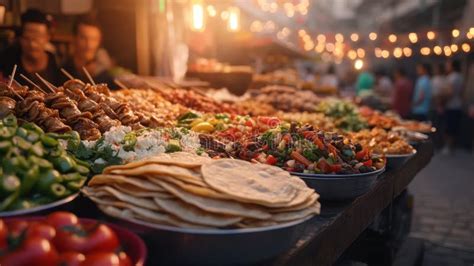
Natural light is your best friend when shooting street food. Avoid using direct flash, which often flattens the image, washes out colors, and creates harsh reflections. Instead, seek out soft, diffused light. Early morning or late afternoon (the “golden hour”) offers warm, inviting tones that make food look incredibly appetizing. If shooting at midday, look for open shade – an area where direct sunlight is blocked but the ambient light is still bright and even. Position yourself so the light is coming from the side or slightly behind the food to create depth and highlight textures. Sometimes, simply rotating the plate or moving a few inches can make all the difference.
Frame Your Feast: Composition and Storytelling Techniques
Good photography isn’t just about pointing and shooting; it’s about telling a story. Experiment with different angles. A top-down “flat lay” shot works well for dishes with interesting patterns or ingredients, while a low angle can make a dish look grander and more inviting. Get close to highlight textures and details – the crisp edges of a fried dumpling, the glistening sauce, the fresh herbs. Don’t be afraid to include the human element: the vendor’s skilled hands, a customer enjoying their meal, or the vibrant array of ingredients. These elements add context and bring the scene to life, transforming a simple food photo into a compelling narrative of place and culture.
Beyond the Lens: Engaging with the Environment
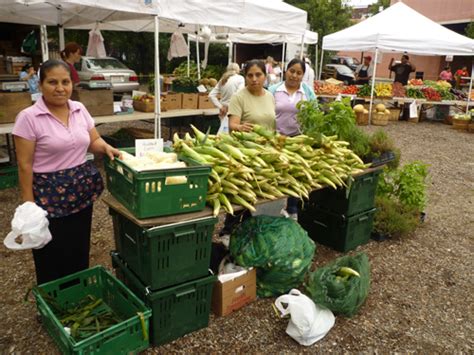
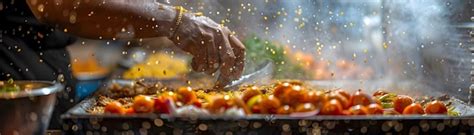
Street food photography isn’t a sterile studio shoot. It’s dynamic and interactive. Don’t be shy! Politely ask vendors for permission before taking photos, especially if you’re focusing on them directly. A quick smile and gesture usually suffice, and often they’re happy to oblige, sometimes even posing or offering a sample! This interaction can open up opportunities for even more authentic and candid shots. Pay attention to the atmosphere – the steam rising, the smoke from the grill, the intricate details of the stall itself. These sensory details, when captured, add layers of authenticity to your photos, transporting the viewer right into the heart of the food adventure.

Refine and Share: The Final Touches
Once you’ve captured your shots, a little post-processing can elevate them significantly. You don’t need complex software; most smartphone editing suites or free apps can handle basic adjustments. Focus on enhancing what’s already there: adjust brightness and contrast to make colors pop, slightly increase saturation to bring out vibrancy, and perhaps sharpen details a touch. The goal isn’t to create an artificial image, but to make your photos look as close to the real-life experience as possible. Finally, share your culinary journey! Use platforms like Instagram, food blogs, or travel forums to tell the story behind your photos. Describe the taste, the smell, the atmosphere – connect your visuals with words to give your audience a truly immersive experience.
Capturing vibrant and authentic street food visuals is a journey of practice, observation, and respect. By paying attention to light, composition, and the human elements surrounding the food, you can transform your everyday food adventure photos into captivating visual stories. So next time you’re exploring a new culinary landscape, put these tips into practice, and let your lens tell the delicious tale of the streets.