Struggling with plating? What visual tips elevate home-cooked dishes to foodie-level photos?
You’ve poured your heart into cooking a delicious meal, but when it comes to serving, does it often fall flat visually? Many home cooks find themselves in this predicament. While the taste might be exquisite, the presentation often lacks that ‘wow’ factor seen in restaurant dishes or on social media. The good news is, elevating your plating from humble to haute is simpler than you think. With a few key visual tips, you can transform your home-cooked dishes into stunning, photo-worthy creations.
The Art of the Plate: Understanding Core Principles
Great plating isn’t just about making food look pretty; it’s about enhancing the dining experience and highlighting the quality of your ingredients. Before diving into techniques, let’s grasp the fundamental principles that professional chefs employ.
Color Contrast
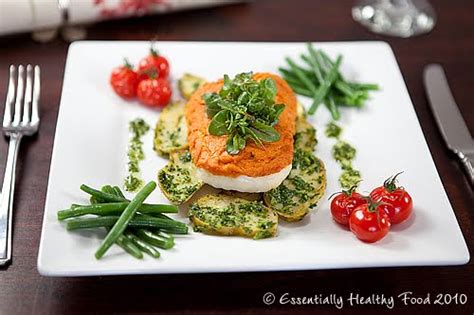
A visually appealing dish uses a variety of colors that complement each other. Think about how a sprinkle of fresh green herbs brightens a rich, brown stew, or how vibrant cherry tomatoes pop against a creamy pasta. Aim for a spectrum of colors to make your plate dynamic and inviting.
Texture Variety
Just as different textures are crucial to how a dish feels in the mouth, they are vital for visual interest. A plate featuring soft components alongside crispy elements (e.g., pan-seared fish with a crunchy slaw) is far more engaging than one with uniform texture.
Height and Dimension
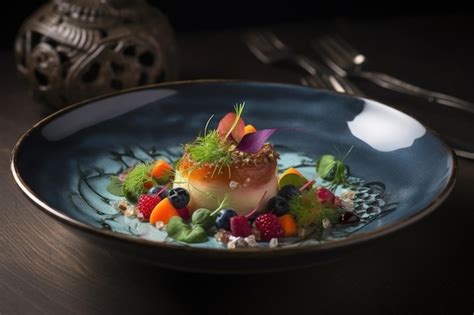
Avoid flat, one-dimensional presentations. Stacking, layering, and creating varied heights on your plate adds elegance and makes the dish more intriguing. Think vertical! This could mean leaning asparagus spears, stacking components like a tower, or mounding a side dish neatly.
Negative Space
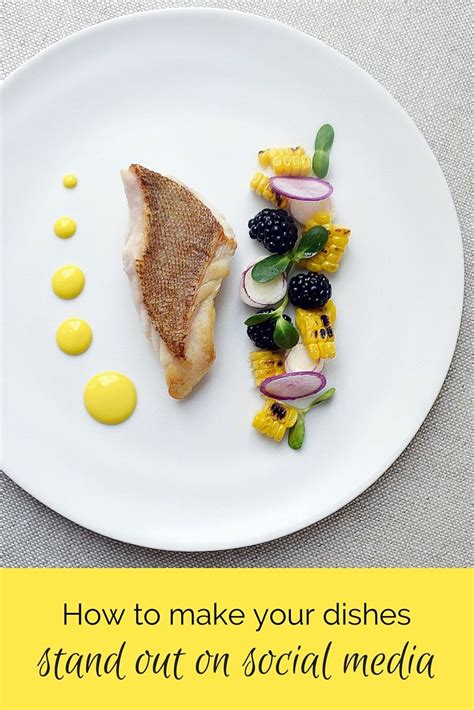
It might seem counterintuitive, but leaving empty space on your plate is crucial. Don’t overcrowd it. This ‘negative space’ allows each component to breathe and stand out, giving the dish a more sophisticated, less cluttered appearance. Think of the plate as a canvas where the food is the art.
Essential Techniques for Home Chefs
Now that we understand the basics, let’s get practical with techniques you can implement immediately.
Mastering Sauce Application
Sauces aren’t just for flavor; they’re for art. Instead of simply pouring sauce over everything, consider elegant drizzles, strategic swooshes, or precise dots. Use a squeeze bottle for fine lines or a spoon to create a dramatic smear across the plate before placing your main components.
The Power of Garnishes
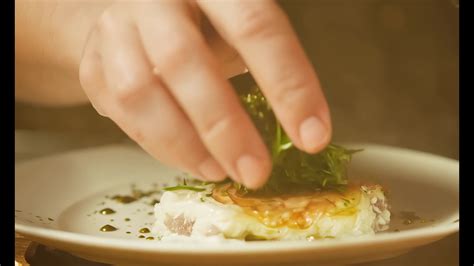
Garnishes are the jewelry of your dish. A sprig of fresh parsley, a sprinkle of toasted sesame seeds, a zest of lemon, or a few microgreens can transform a simple meal. Choose garnishes that relate to the dish’s flavors and add color, texture, and freshness without overwhelming the main components.
Thoughtful Arrangement
Think about composition. The ‘rule of thirds’ from photography can apply here; try placing your main components slightly off-center for a more dynamic look. Create a focal point, perhaps the hero ingredient, and arrange other elements around it in a balanced, visually pleasing way. Building up from the center can often create a cohesive look.
Utilizing Tools: Spoons, Tongs, and Ring Molds
While not strictly necessary, simple tools can make a big difference. Spoons are excellent for scooping purées or sauces. Tongs allow for precise placement of delicate ingredients. Ring molds can help you achieve perfectly round stacks of rice, salads, or tartare, adding a professional touch.
Choosing Your Canvas: The Right Plate Makes a Difference
The plate itself is an integral part of your presentation. Most chefs opt for simple, white, or neutral-colored plates because they allow the food’s colors to truly pop without distraction. Consider the shape of your plate—round, square, or rectangular—and how it complements the dish you’re serving. For saucier dishes, a shallow bowl might be more appropriate than a flat plate.
Elevating Everyday Dishes
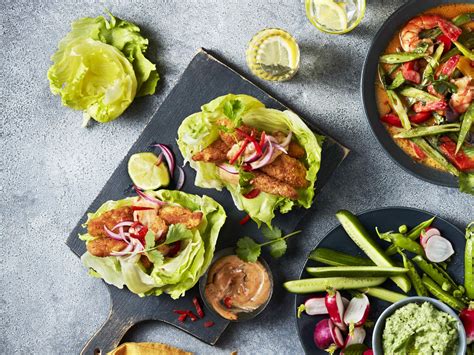
Even the simplest meals can be elevated with thoughtful plating. For instance, a basic omelet can look gourmet with a dusting of paprika and a side of artistically arranged mixed greens. A bowl of soup benefits from a swirl of cream or a scattering of fresh chives. Always remember to clean the edges of your plate with a damp cloth or paper towel before serving; this small detail makes a huge impact.
From Plate to Pixel: Capturing Your Masterpiece
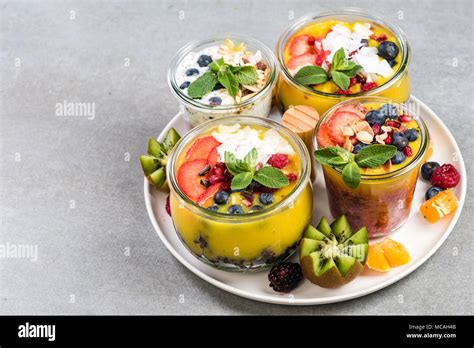
Once your dish is perfectly plated, capturing it for social media or your personal food blog requires a few quick tips. Good lighting is key—natural light near a window is usually best. Avoid harsh overhead lights. Position your plate to highlight its best angles, often slightly from above or directly overhead for a flat lay. Simple, uncluttered backgrounds also help the food remain the star.
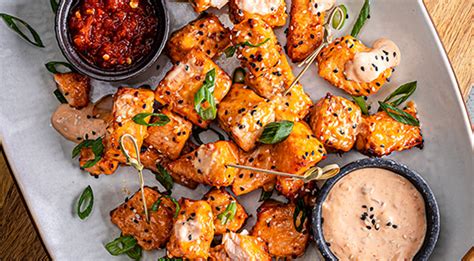
Plating is a creative process, and like any art form, it improves with practice. Don’t be afraid to experiment, try new arrangements, and get inspired by others. The goal isn’t just to impress, but to enjoy the full sensory experience of your culinary creations. Happy plating!