Styling tricks to make simple recipes visually irresistible?
You’ve whipped up a delicious, simple recipe – perhaps a quick pasta, a basic soup, or a humble scramble. It tastes fantastic, but does it look as good as it tastes? In the age of social media and visual culture, the presentation of food is almost as important as its flavor. Even the most straightforward dishes can be elevated from ‘just food’ to ‘visually irresistible’ with a few clever styling tricks. It’s about engaging all the senses, starting with the eyes, and making every meal feel like a special occasion.
The Power of Intentional Presentation
Many home cooks believe that elaborate plating is reserved for gourmet chefs or complex dishes. However, this couldn’t be further from the truth. Intentional presentation for simple recipes is about highlighting their natural beauty, making them more appealing, and often, more enjoyable to eat. It doesn’t require expensive tools or hours of extra work, but rather a mindful approach to how ingredients are arranged and accented.
By focusing on elements like color, texture, arrangement, and garnish, you can turn a basic meal into a feast for the eyes. This not only makes your own dining experience more pleasant but also encourages others to try your creations, whether it’s family at the dinner table or friends scrolling through your culinary adventures online.
Mastering the Garnish Game
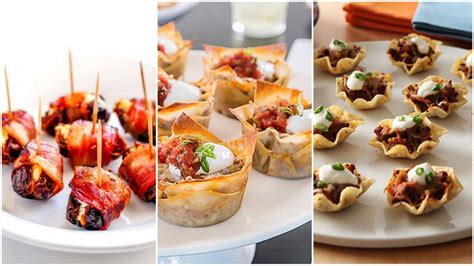
Garnish is often an afterthought, but it’s a powerful tool for visual appeal. A fresh garnish adds a pop of color, texture, and often, a burst of fresh flavor. Think beyond a sprig of parsley; consider what complements your dish.
- Fresh Herbs: Chopped chives, cilantro, basil leaves, or a sprig of rosemary can instantly brighten soups, stews, and almost any savory dish.
- Citrus Zest/Wedges: A grating of lemon or lime zest adds vibrant color and a fresh aroma to seafood, salads, and even desserts. A small wedge on the side is also visually inviting.
- Seeds & Nuts: Toasted sesame seeds, poppy seeds, crushed pistachios, or pumpkin seeds offer a textural contrast and a professional finish, especially on salads, roasted vegetables, or yogurt bowls.
- Spices: A light dusting of paprika, chili flakes, or freshly cracked black pepper can add depth and visual interest without overpowering the dish.
Remember, less is often more. A subtle sprinkle or a carefully placed leaf is usually more effective than an overwhelming mound of garnish.
Thoughtful Plating and Arrangement
How you arrange food on the plate makes a significant difference. It’s not about complex patterns, but rather creating a sense of order and balance.
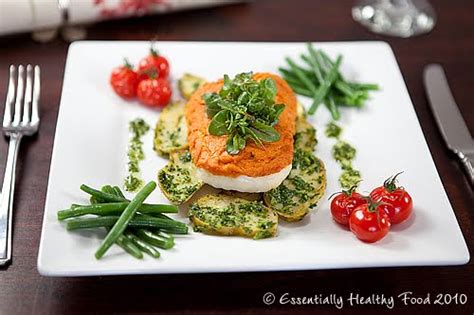
- Utilize Negative Space: Don’t crowd the plate. Leaving some empty space around your food helps highlight the dish and makes it appear more elegant.
- Stacking & Height: Instead of spreading everything flat, try to add a little height. A small mound of rice beneath a protein, or slightly stacking ingredients, creates dimension.
- The Rule of Thirds: Similar to photography, imagine dividing your plate into a tic-tac-toe grid. Placing key elements at the intersections or along the lines creates a more dynamic and pleasing composition.
- Clean Edges: Use a clean cloth or paper towel to wipe any drips or smudges from the rim of the plate before serving. A pristine plate elevates the entire presentation.
Playing with Color and Texture
Color and texture are naturally occurring elements in food that you can emphasize to create visual appeal. Simple dishes often benefit most from this focus.
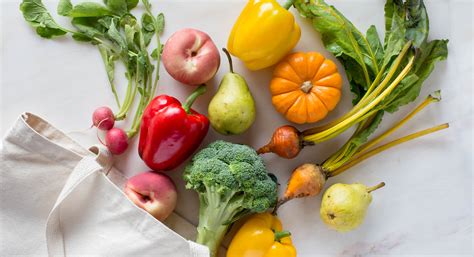
- Vibrant Colors: Incorporate ingredients that offer a natural burst of color. Think cherry tomatoes, bell peppers, leafy greens, berries, or even purple cabbage. Even a simple grilled cheese can be brightened with a side of colorful pickles or a small salad.
- Contrasting Textures: A dish with varied textures is more interesting to eat and look at. Pair something creamy with something crunchy, or soft with crisp. For example, a creamy soup can be topped with crunchy croutons or toasted nuts.
- Sauces & Drizzles: A zigzag of a contrasting colored sauce (like a balsamic glaze on a caprese salad or a pesto drizzle on pasta) can add both color and a touch of artistry.

The Final Touches and Simple Props
Once your food is plated and garnished, a few final considerations can truly complete the visual transformation.
- Natural Lighting: Whenever possible, photograph or serve food in natural, indirect light. Harsh overhead lights can create unflattering shadows.
- Simple Backgrounds & Props: A plain plate on a neutral tablecloth or wooden surface can make the food stand out. Don’t underestimate the power of a simple napkin or a complementary utensil to add to the scene without distracting from the main event.
- Serving Vessel Choice: Sometimes, the vessel itself can make a difference. A rustic bowl for soup, a sleek white plate for a colorful stir-fry, or a glass jar for a layered salad can all enhance the visual appeal.

Transforming simple recipes into visually irresistible dishes isn’t about perfection; it’s about thoughtfulness. By applying a few basic styling tricks – thoughtful garnishing, deliberate plating, and an awareness of color and texture – you can elevate everyday meals into memorable culinary experiences. Experiment with these tips, find what works for your style, and enjoy the delicious satisfaction of food that looks as incredible as it tastes.