Tips for achieving perfectly golden-brown crusts & juicy interiors?
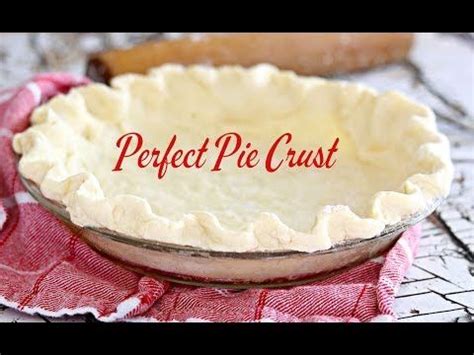
Mastering the Art of Golden-Brown Crusts and Juicy Interiors
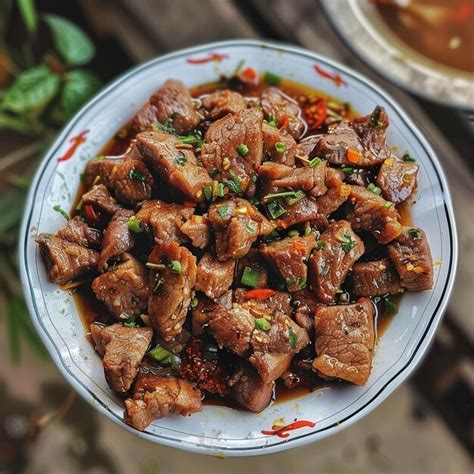
Achieving that coveted golden-brown crust and a succulent, juicy interior is the hallmark of truly great cooking. Whether you’re roasting a chicken, searing a steak, or baking a loaf of bread, the principles remain consistent. It’s a delicate balance of science and technique that transforms good food into unforgettable meals. Let’s dive into the essential tips that will elevate your culinary game.
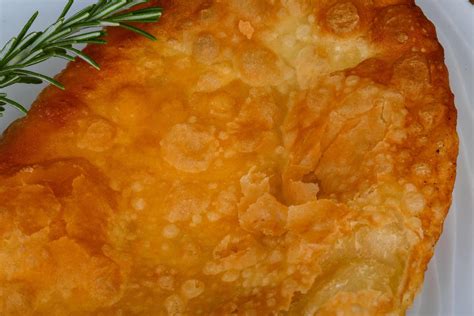
Understanding the Maillard Reaction and Caramelization
The magic behind that beautiful brown crust is primarily due to two chemical processes: the Maillard reaction and caramelization. The Maillard reaction occurs when amino acids and reducing sugars react at high temperatures, creating thousands of new flavor compounds and the characteristic browned appearance. Caramelization, on the other hand, is the browning of sugars alone, often seen in roasted vegetables or caramelized onions. Both require high heat and dry surfaces to occur effectively.
Temperature Control: The High-Heat Start and Finish
For most proteins and many baked goods, starting with high heat is crucial. A scorching hot pan or oven quickly jumpstarts the Maillard reaction, creating that desirable crust before the interior overcooks. For larger cuts of meat, you might sear at high heat, then reduce the temperature to finish cooking gently, ensuring the inside remains tender and juicy. Conversely, some techniques, like reverse searing, involve cooking low and slow first, then finishing with a blast of high heat for the crust.
Moisture Management: Dry Surfaces and Strategic Brining
Moisture is the enemy of crispiness. For a truly golden-brown crust, especially on meats and poultry, the surface must be as dry as possible. Patting food thoroughly with paper towels before cooking is a simple yet vital step. For poultry, leaving it uncovered in the refrigerator overnight can air-dry the skin, leading to exceptional crispness. Conversely, to ensure a juicy interior, brining or marinating can introduce moisture and flavor into leaner cuts, preventing them from drying out during cooking.
The Role of Fat: Flavor, Color, and Crispness
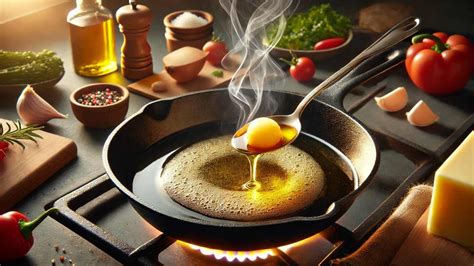
Fat plays a triple role in achieving perfection. It acts as a medium for heat transfer, helping the surface to brown evenly. It also contributes to flavor and, critically, aids in developing a crispy texture. Using fats with a high smoke point, like avocado oil, grapeseed oil, or clarified butter, is ideal for searing and roasting at high temperatures. Butter can be used towards the end of cooking for flavor and a beautiful golden sheen, but be mindful of its lower smoke point.
Don’t Forget to Rest Your Food
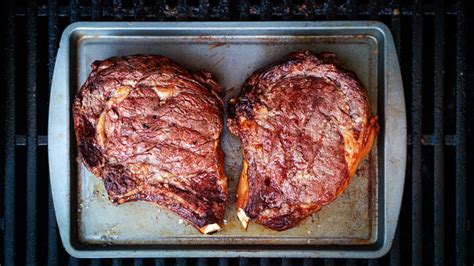
This is arguably one of the most overlooked, yet critical, steps for juicy interiors, especially with meats. When meat cooks, its muscle fibers contract, pushing moisture towards the center. If you cut into it immediately, all those precious juices will pour out. Resting allows the fibers to relax and redistribute the moisture throughout the meat, resulting in a significantly juicier final product. Cover loosely with foil and let it rest for 5-15 minutes (depending on size) before slicing.
Bringing It All Together: Practice Makes Perfect
Mastering the golden-brown crust and juicy interior requires practice and attention to detail. Pay close attention to your ingredients, oven temperatures, and cooking times. Don’t be afraid to experiment with different fats, brines, and searing techniques. With these tips in your arsenal, you’re well on your way to consistently producing dishes that are as visually appealing as they are delicious.