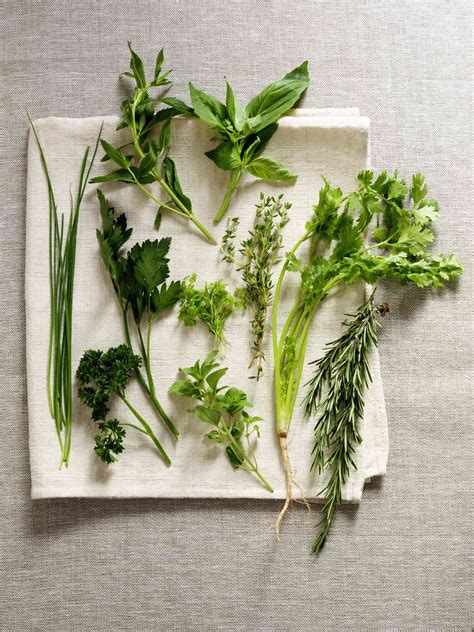
Tips for extending the life of fresh herbs for vibrant plating & flavor?
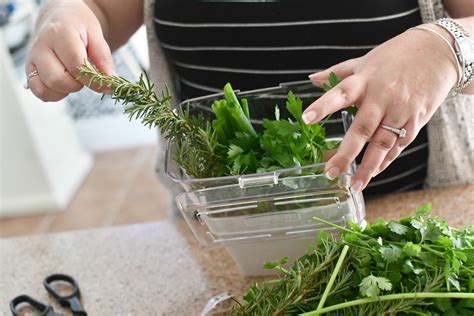
Unlock the Full Potential of Your Fresh Herbs
Fresh herbs are the unsung heroes of the kitchen, elevating dishes with their vibrant flavors, aromatic fragrances, and beautiful garnishes. However, their fleeting freshness can often be a source of frustration, leading to wilted leaves and wasted ingredients. Mastering the art of herb preservation not only saves money but ensures you always have peak-quality herbs on hand to transform your meals. From delicate leafy greens to sturdy woody sprigs, each type benefits from a specific approach to extend its vitality.
The Fundamental Principles of Herb Preservation
Regardless of the herb variety, a few universal rules apply to kickstart their journey to extended freshness. The goal is to control moisture and temperature to prevent spoilage without drying them out. Always start with high-quality herbs, ideally those that haven’t already begun to wilt at the store.
- Gentle Cleaning: If visibly dirty, wash herbs under cool running water. Avoid washing if not necessary, as extra moisture can speed up decay.
- Thorough Drying: This is perhaps the most crucial step. Excess moisture is the enemy of fresh herbs. Use a salad spinner or gently pat them dry with paper towels until absolutely no water droplets remain.
- Temperature Control: Most herbs prefer a cool, slightly humid environment, which usually means the refrigerator.
Tailored Storage for Delicate Leafy Herbs
Herbs like cilantro, parsley, dill, mint, and basil (though basil is a bit of an outlier) thrive with specific care. Their tender leaves are prone to wilting and blackening if not stored correctly.

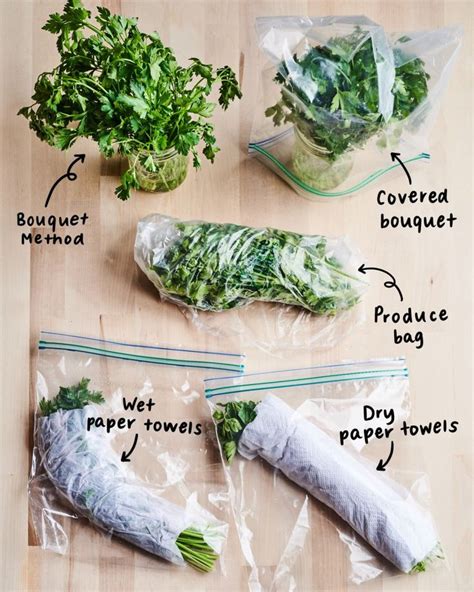
The “Bouquet” Method for Most Delicate Herbs (Except Basil)
Treat these herbs like a bouquet of flowers:
- Trim about an inch off the bottoms of the stems.
- Place them upright in a glass or jar with about an inch of water, just enough to cover the stem ends.
- Loosely cover the herbs and jar with a plastic bag (or the produce bag they came in). This creates a mini-greenhouse effect.
- Store in the refrigerator (except for basil, see below). Change the water every day or two.
Basil’s Special Treatment
Basil is sensitive to cold and will blacken in the refrigerator. Instead, use the “bouquet” method but keep it on your countertop, away from direct sunlight. It will last longer this way than in the fridge.
The “Paper Towel Roll” Method
For herbs that are already cut or for another option, lay clean, dry herbs flat on a slightly damp paper towel. Roll them up gently, and then place the roll into a resealable plastic bag or airtight container. Store in the refrigerator.
Preserving Robust Woody Herbs
Herbs such as rosemary, thyme, oregano, marjoram, and sage have tougher stems and leaves, making them more resilient. They generally prefer a drier environment than their delicate counterparts.
The “Paper Towel Wrap” Method
- Ensure the herbs are completely dry.
- Wrap them loosely in a dry paper towel.
- Place the wrapped herbs in a resealable plastic bag or an airtight container.
- Store in the refrigerator crisper drawer. This method helps absorb any residual moisture and keeps the herbs from drying out too quickly.
Olive Oil Infusion for Extended Life
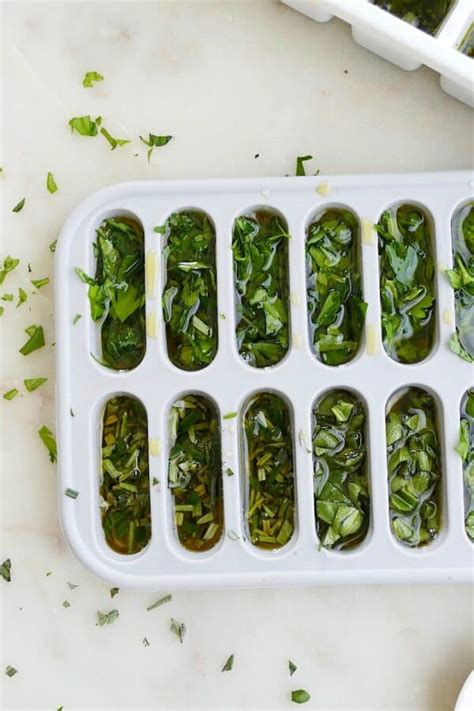
For woody herbs, you can also strip the leaves from the stems, roughly chop them, and pack them into ice cube trays. Cover with olive oil and freeze. Once frozen, pop out the cubes and store them in a freezer-safe bag. These are perfect for starting soups, stews, or sautéing vegetables.
Beyond Refrigeration: Freezing and Reviving Herbs
When you have an abundance of herbs, freezing is an excellent long-term solution.
Chopped and Frozen
Blanch some delicate herbs briefly, then finely chop them. Mix with a little water or oil, and freeze in ice cube trays. Transfer to freezer bags once solid. Woody herbs can be chopped and frozen directly without blanching.
Reviving Wilted Herbs
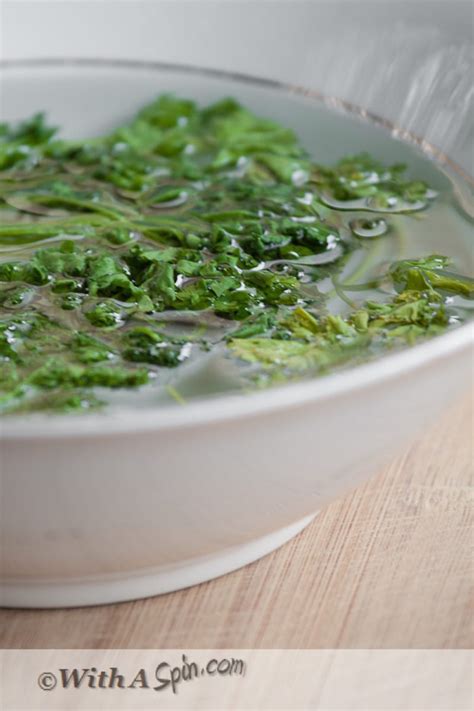
Don’t despair if your delicate herbs have gone a bit limp! A quick ice bath can often bring them back to life. Trim the ends of the stems and submerge the herbs in a bowl of ice water for 15-30 minutes. The cold water helps them rehydrate and crisp up, making them usable for garnishes and salads once more.
Conclusion: Fresh Herbs, Endless Culinary Possibilities
By implementing these simple yet effective storage techniques, you can significantly extend the life of your fresh herbs, ensuring they remain vibrant and flavorful for much longer. No more tossing out sad, wilted leaves! With a little care, your kitchen will always be ready to infuse dishes with garden-fresh goodness, enhancing both the taste and visual appeal of every meal.