Tips for maintaining vibrant color in roasted vegetables for stunning visuals?

Unlock the Secret to Stunning, Colorful Roasted Vegetables
Roasted vegetables are a staple in many kitchens, offering incredible flavor and a delightful texture. However, achieving that perfect, vibrant hue can sometimes feel elusive. Often, vegetables emerge from the oven looking a little dull or muted, losing their natural brilliance. The good news is that with a few simple techniques, you can ensure your roasted creations are not only delicious but also a feast for the eyes.
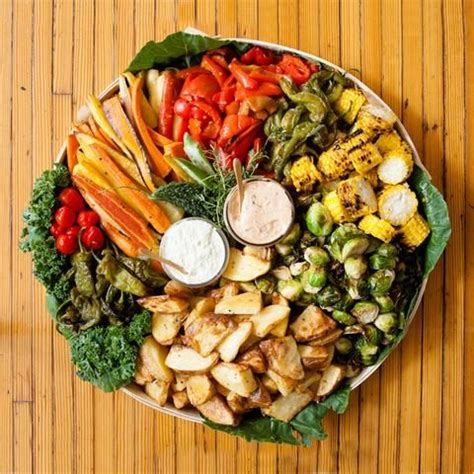
Maintaining vibrant color in roasted vegetables is about understanding a bit of science and applying smart cooking practices. From greens like broccoli and asparagus to reds, oranges, and purples found in carrots, bell peppers, and beets, each pigment reacts differently to heat. By controlling moisture, temperature, and even a touch of acid, you can prevent color degradation and enhance the natural beauty of your produce.
Pre-Roasting Preparations: Laying the Foundation for Brilliance
The journey to vividly colored roasted vegetables begins even before they hit the oven. Proper preparation can make all the difference, setting the stage for optimal color retention and crispy textures.
Blanching for Greens: A Quick Dip to Set Color
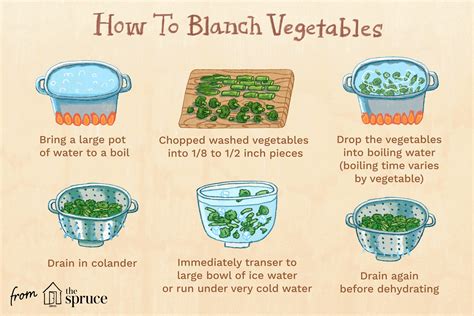
For green vegetables like broccoli, asparagus, green beans, or Brussels sprouts, blanching is a game-changer. A quick dip in boiling, salted water followed immediately by an ice bath helps to set the chlorophyll pigment, making the greens incredibly vibrant. This process also slightly pre-cooks them, ensuring they roast faster and retain their bright color without overcooking.
Dry Vegetables Thoroughly
Moisture is the enemy of roasting. Excess water on the surface of your vegetables will cause them to steam rather than roast, leading to dull colors and soggy textures. Always pat your vegetables thoroughly dry with a clean kitchen towel or paper towels before tossing them with oil and seasonings. This step is crucial for achieving that coveted caramelization and maintaining vibrant hues.
Uniform Cutting for Even Roasting
Cut your vegetables into uniform sizes and shapes. This ensures that all pieces cook evenly, preventing some from becoming overcooked and losing their color while others are still undercooked. Even cooking means consistent caramelization and less chance of color degradation due to prolonged heat exposure.
Roasting Techniques for Peak Vibrancy
Once your vegetables are prepped, the way you roast them is paramount to preserving their visual appeal. It’s a delicate balance of heat, timing, and proper spacing.
High Heat, Short Roasting Time
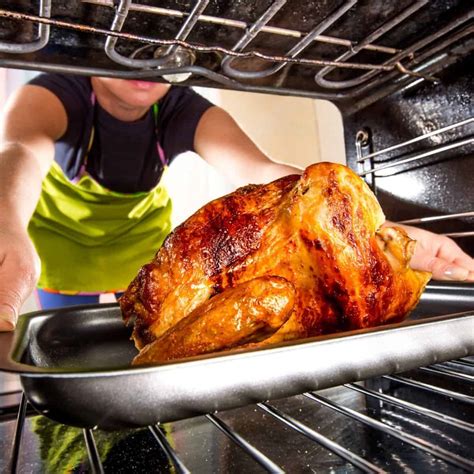
Roast vegetables at a higher temperature (e.g., 400-425°F or 200-220°C) for a shorter duration. This promotes quick caramelization and browning on the exterior without prolonged exposure to heat that can break down pigments and dull colors. Keep an eye on them to prevent burning, which will, of course, also diminish their vibrant appearance.
Don’t Overcrowd the Pan
Give your vegetables space! Overcrowding a baking sheet traps steam, much like having too much moisture on the vegetables themselves. This again leads to steaming instead of roasting, resulting in soft, pale vegetables. Use multiple baking sheets if necessary to ensure a single layer for optimal browning and color retention.
The Right Amount of Oil
Use just enough oil to lightly coat your vegetables. Too much oil can make them greasy and prevent proper caramelization, while too little can lead to drying out. High smoke point oils like avocado, grapeseed, or light olive oil are excellent choices.
A Touch of Acid at the End
Introducing a splash of acid, like lemon juice or a mild vinegar (e.g., apple cider vinegar or white wine vinegar), towards the end of the roasting process or immediately after can work wonders. Acid brightens colors, especially reds, purples, and even some greens, enhancing their natural vibrancy. It also adds a fresh, zesty flavor that complements the richness of roasted vegetables.
Post-Roasting Enhancements: The Finishing Touches
Even after roasting, there are a few simple steps you can take to ensure your vegetables pop on the plate.
Garnish with Fresh Herbs
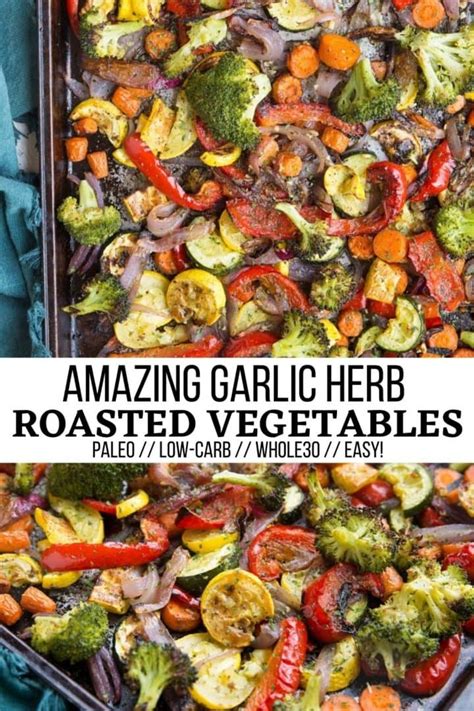
A sprinkle of fresh, finely chopped herbs like parsley, cilantro, chives, or mint not only adds another layer of flavor but also provides a vibrant contrast to the roasted vegetables, making their colors stand out even more. The fresh green of herbs against a backdrop of roasted reds and yellows is incredibly appealing.
Zest for Brightness
Similar to a squeeze of lemon juice, a grating of citrus zest (lemon, orange, or lime) over the hot roasted vegetables can instantly elevate their appearance and aroma. The tiny flecks of brightly colored zest catch the light and add an extra dimension of freshness.
By implementing these tips – from careful preparation to smart roasting techniques and thoughtful garnishes – you’ll transform your roasted vegetables from simple side dishes into stunning, visually appealing culinary masterpieces that taste as good as they look. Embrace the vibrant spectrum of nature and let your roasted vegetables shine!