Tips for maintaining vibrant color & texture in recipes for stunning food photos?

The Art of Preserving Culinary Beauty
Creating dishes that not only taste incredible but also look stunning is a hallmark of great cooking, especially when aiming for captivating food photography. The challenge often lies in maintaining the ingredients’ natural vibrancy and appealing textures from kitchen to camera. This guide will walk you through crucial steps to ensure your culinary creations are always photo-ready.
From careful ingredient selection to smart cooking methods and quick plating, every decision impacts the final visual outcome. Understanding how light, heat, and time affect your food’s appearance is key to mastering this delicate balance. Let’s dive into practical tips that will elevate your food photography game by starting with the dish itself.
Ingredient Selection and Preparation
The journey to vibrant food photos begins long before cooking. Opt for the freshest, highest-quality ingredients available. Brightly colored, firm vegetables and unblemished fruits naturally provide a better starting point. For herbs, choose those with no wilting or discoloration. Consider the variety of an ingredient; some tomato varieties are inherently more vibrant than others.
Proper pre-preparation is also vital. Wash produce gently but thoroughly. For many vegetables, a quick blanching can lock in color and maintain a crisp texture. This involves briefly boiling them in salted water and then plunging them into an ice bath to stop the cooking process. This technique is particularly effective for green vegetables like broccoli, asparagus, and green beans, preventing them from turning dull.
Cooking Techniques for Color & Texture Retention
How you cook your food significantly influences its visual appeal. Overcooking is the enemy of vibrant colors and desirable textures. Instead, aim for al dente for pasta and vegetables, and just-cooked for proteins. Quick-cooking methods like stir-frying, sautéing, and grilling (without charring excessively) are excellent for preserving bright colors and a pleasant bite.
When roasting or baking, use temperatures that cook thoroughly without browning or darkening too much, unless that’s the desired effect. For dishes like curries or stews, where ingredients simmer for longer, consider adding some fresh, vibrant elements (like herbs or a swirl of crème fraîche) at the very end, just before serving, to provide a fresh burst of color.
Plating for Visual Impact
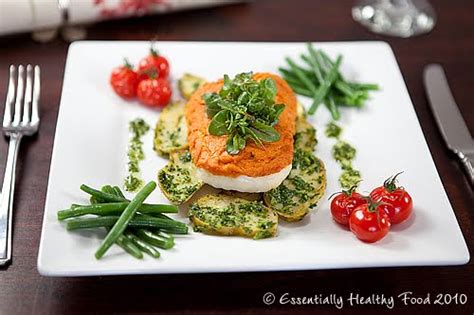
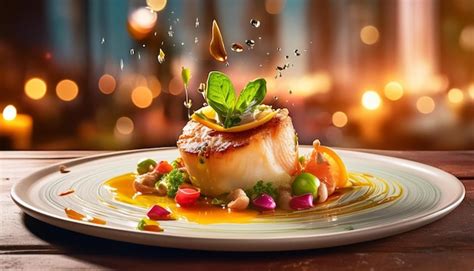
Plating is where your artistic vision comes to life. Arrange elements thoughtfully, paying attention to color contrast and negative space. Use garnishes strategically to add pops of color and texture. Fresh herbs, citrus zest, toasted nuts, or a drizzle of a brightly colored sauce can transform a dish. Avoid overcrowding the plate; less is often more.
Consider the angle from which the photo will be taken and arrange ingredients accordingly. Build height and layers to add dimension. For dishes with sauces, wipe the edges of the plate clean for a professional finish. A visually appealing plate creates an inviting scene that draws the viewer in and makes your food look irresistible.
Managing Oxidation and Browning
Many ingredients, like avocados, apples, and even some chopped herbs, begin to oxidize and brown quickly once exposed to air. To combat this, prepare these items just before shooting. A squeeze of lemon or lime juice can also help prevent browning in fruits and vegetables. For delicate greens, keep them covered or lightly spritzed with water until the last moment.
For dishes that need to be served warm, work quickly. Have your camera and lighting set up before the food is even plated. This minimizes the time food sits under potentially harsh studio lights or at room temperature, which can cause wilting or dulling. Speed and efficiency are paramount for capturing food at its peak freshness and appeal.
Lighting and Styling Considerations
While this article focuses on the food itself, proper lighting is crucial for showcasing its vibrant qualities. Natural, diffused light is often best as it enhances colors without creating harsh shadows or washing them out. Avoid direct, overhead light which can make food look flat.
Finally, slight tweaks during styling can make a huge difference. A light brush of olive oil on roasted vegetables can make them glisten, while a mist of water can refresh greens. Don’t be afraid to experiment with small props or backdrops that complement the colors of your dish without distracting from it. By meticulously tending to both the cooking process and the final presentation, you ensure your recipes always translate into stunning, mouth-watering food photos.