Tips for making everyday recipes look vibrant & photo-ready?

Elevate Your Everyday Meals: From Plate to Picture Perfect
In today’s visually driven world, sharing your culinary creations is almost as satisfying as eating them. But how do you make a simple weeknight dinner look like it belongs on a food blog or magazine cover? It’s not just about gourmet ingredients; it’s about understanding a few key principles of presentation and photography. With these tips, you can turn any everyday recipe into a vibrant, photo-ready masterpiece.
Start with Stellar Ingredients
The foundation of any beautiful dish lies in its ingredients. Opt for the freshest produce with vibrant colors. Bright red tomatoes, crisp green herbs, and richly hued berries don’t just taste better; they naturally pop on camera. Think about color contrast and variety when selecting components for your dish. A monotone meal, no matter how delicious, rarely looks as appealing as one bursting with diverse colors.
Even humble ingredients can shine. A perfectly ripe avocado or a handful of colorful bell peppers can elevate the visual appeal of a simple taco or salad. Prioritize freshness as wilted greens or dull vegetables will detract from your dish’s overall vibrancy.
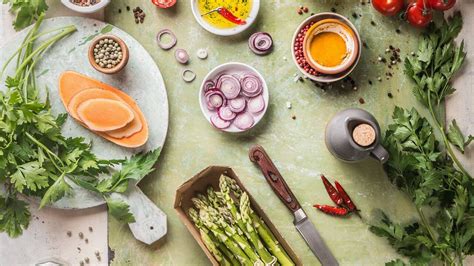
Plate with Purpose
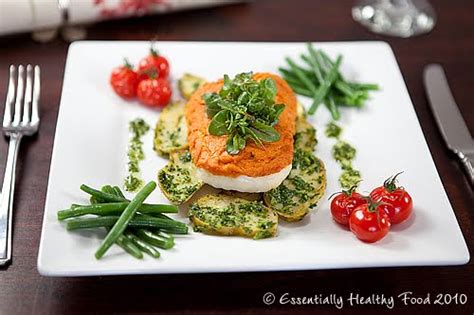
Plating is an art form that transforms ingredients into an organized, appealing composition. Don’t just dump food onto a plate; arrange it thoughtfully. Consider the ‘rule of odds,’ where odd numbers of elements (e.g., three asparagus spears) tend to be more visually appealing. Use negative space wisely to make your main elements stand out, rather than overcrowding the plate.
Build height and texture whenever possible. A stack of pancakes, a mound of rice, or carefully layered components add depth and dimension. Use contrasting colors and textures to create visual interest – think creamy avocado against crunchy toast, or a smooth sauce drizzled over rustic pasta.
Garnishes Are Your Best Friends
A simple garnish can transform a plain dish into a professional-looking one. Fresh herbs like parsley, cilantro, or mint add a burst of green and a touch of freshness. A sprinkle of toasted sesame seeds, chili flakes, or finely chopped nuts can add texture and visual intrigue. A squeeze of lemon or lime juice not only brightens flavors but also adds a glossy sheen to your food.
Consider a drizzle of olive oil, a swirl of balsamic glaze, or a dollop of crème fraîche to add an elegant finish. These small additions provide a final flourish that makes your dish look polished and complete, ready for its close-up.

Harness Natural Light
Good lighting is perhaps the single most important factor in making your food look photo-ready. Natural, diffused light is always your best bet. Place your dish near a window, but avoid direct sunlight, which can create harsh shadows and blow out highlights. If direct light is unavoidable, use a sheer curtain or parchment paper to diffuse it.
Avoid overhead kitchen lights or camera flashes, as they often cast unflattering yellow tones and harsh reflections. If natural light isn’t an option, invest in a softbox or a photography light with a diffuser to mimic the gentle glow of daylight.

Angle Your Shot and Frame It Right
Experiment with different angles to find the most flattering perspective for your dish. A top-down shot (flat lay) works wonderfully for bowls, drinks, and dishes with intricate toppings. A 45-degree angle is versatile and mimics how we typically view food at a table, highlighting both the top and the sides.
For dishes with height, an eye-level shot can emphasize layers and textures. Use the ‘rule of thirds’ to compose your shot, placing your main subject off-center for a more dynamic image. Pay attention to your background and props; simple, uncluttered backgrounds and subtle, complementary props (like a linen napkin or a fork) can enhance your food without distracting from it.

A Few Post-Processing Touches
Even with perfect preparation, a little post-processing can make a big difference. Simple adjustments like brightening the image, boosting contrast, and tweaking saturation can make colors pop. Cropping the image to focus on your dish and sharpening details can also enhance its overall appeal. Numerous free and paid apps are available that make these edits quick and easy, even on your smartphone.
Transforming everyday recipes into vibrant, photo-ready dishes is a skill that improves with practice. By focusing on fresh ingredients, thoughtful plating, smart garnishing, good lighting, and strategic photography, you’ll be well on your way to creating culinary visuals that are as delightful to behold as they are to eat. So grab your camera (or smartphone), and start creating some delicious art!