Tips for stunning food plating to match visual recipes?

Why Visual Appeal Matters in Cooking
In an age dominated by Instagram and Pinterest, visual recipes have set a high bar for home cooks. It’s no longer enough for food to taste good; it needs to look good too. Beautifully plated food enhances the dining experience, stimulates the appetite, and makes your culinary creations truly shine. Mastering the art of food plating can transform an ordinary meal into an extraordinary feast for the eyes, perfectly matching the aspirational photos you find online.
Whether you’re hosting a dinner party or simply want to elevate your weeknight meals, a few strategic plating techniques can make all the difference. Let’s delve into practical tips that will help you craft visually stunning dishes every time.
The Fundamentals: Color, Texture, and Height
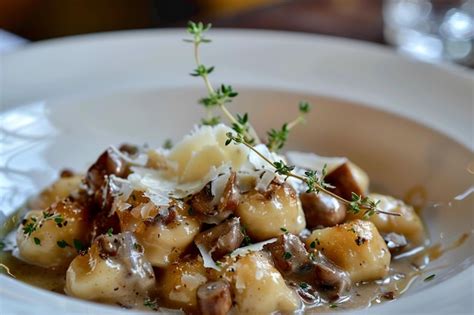
Before you even begin arranging, consider the core elements of your dish: color, texture, and height. A visually appealing plate usually features a harmonious blend of vibrant colors, contrasting textures, and varying heights to add dimension. Think about how a splash of bright green herbs can uplift a plate, or how a crispy element can contrast with something creamy.
Aim for a palette that is both inviting and natural. Don’t be afraid to incorporate edible garnishes that add a pop of color, such as finely diced bell peppers, a sprinkle of paprika, or a swirl of vibrant sauce. Texturally, combine soft with crunchy, smooth with rough. For height, build upwards – a small stack of ingredients or a lean against another component can add a professional touch.
Choosing the Right Canvas: Your Plate
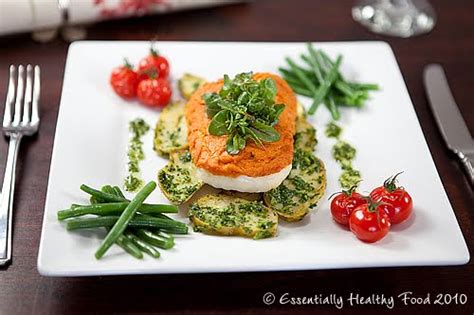
The plate itself is your canvas, and its choice can significantly impact the final presentation. White plates are often preferred by professional chefs because they provide a neutral background that makes food colors pop. However, don’t shy away from other colors or patterns if they complement your dish.
Consider the size of the plate relative to your portion. Too much food on a small plate looks crowded, while too little food on a large plate can look sparse. Aim for a balance where there’s enough empty space (often referred to as ‘white space’) around your food to let each element breathe and stand out. This negative space is crucial for a clean, elegant look.
Arrangement and Composition: The Rule of Odds and Focal Points
When arranging your food, think about composition. The ‘rule of odds’ suggests that items arranged in odd numbers (e.g., three asparagus spears instead of two) are more aesthetically pleasing and natural to the eye. Create a focal point – the star of your dish – and build other elements around it.
Consider using principles like the ‘rule of thirds’ (imagine a tic-tac-toe grid on your plate and place key elements where the lines intersect) or placing elements in a clock formation (e.g., protein at 6 o’clock, vegetables at 2 o’clock, starch at 10 o’clock). These guidelines provide structure without making your plating look too rigid. Utilize sauces or purées as a base layer or as artistic drizzles to connect elements.
The Art of Garnishing: Freshness and Flavor
Garnishes aren’t just for decoration; they should add to the flavor and texture profile of your dish. Fresh herbs like parsley, cilantro, or chives, finely chopped or as delicate sprigs, can instantly brighten a plate. Edible flowers offer a touch of elegance and color. A dusting of powdered sugar on a dessert, a sprinkle of toasted nuts on a salad, or a drizzle of balsamic glaze are all effective garnishes.
Remember that less is often more. An overloaded garnish can detract from the main dish. Choose garnishes that complement your ingredients and are placed intentionally to enhance the visual appeal without being distracting. Clean edges are also key—wipe any drips or smudges from the rim of the plate before serving.
Finishing Touches and Presentation
The final steps often make the biggest impact. Ensure your food is at the correct temperature before plating, as temperature can affect texture and appearance. For visual recipes, photography is paramount. If you’re planning to photograph your dish, consider natural light, use props sparingly, and shoot from angles that best showcase your plating efforts.
Think about the journey your eyes take across the plate. Does it lead you to the most important element? Are there areas of interest and rest? With practice, you’ll develop an intuitive sense for what looks balanced and appealing. Remember, plating is a skill that improves with experimentation and attention to detail.
Conclusion
Transforming your home-cooked meals into stunning visual masterpieces is an achievable goal. By paying attention to color, texture, height, choosing the right plate, thoughtfully arranging your components, and applying intentional garnishes, you can elevate your culinary presentation to match the beauty of the visual recipes that inspire you. So, next time you cook, treat your plate like a canvas and create a dish that’s as delightful to behold as it is to taste!