Tips for stunning, healthy meal prep that saves time and money?

In today’s fast-paced world, finding the time and budget to eat healthily can feel like a constant battle. The good news is that meal preparation, often seen as a daunting task, can be your secret weapon. By dedicating a few hours each week, you can ensure a consistent supply of delicious, nutritious meals, all while significantly cutting down on impulse buys and food waste. This guide will walk you through the essential tips for creating stunning, healthy meal preps that save both your precious time and hard-earned money.
Why Embrace Meal Prep? The Benefits Are Clear
Beyond just saving time and money, meal prepping offers a wealth of advantages. It empowers you to take control of your nutrition, making healthier choices by default and avoiding the temptation of unhealthy takeout or processed foods. When your meals are already portioned and ready to go, sticking to dietary goals becomes effortless. Furthermore, it reduces mental load during busy weekdays, freeing up time for other activities you enjoy. Imagine never having to wonder “What’s for dinner?” again!
![🔥 [71+] Bright Colorful Wallpapers | WallpaperSafari](/images/aHR0cHM6Ly90czEubW0uYmluZy5uZXQvdGg/aWQ9T0lQLnJhSllDSWM0bmF3cHMwb05CVFM0S1FIYUVLJnBpZD0xNS4x.webp)
Step 1: The Art of Planning and Organization
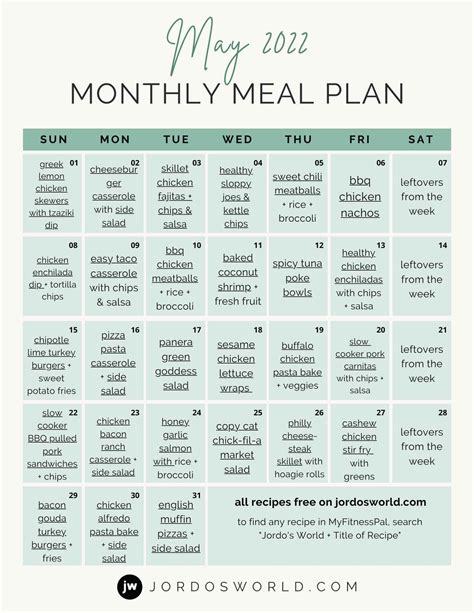
The foundation of successful meal prep lies in meticulous planning. Start by designating a specific day each week for planning and another for prepping. Spend some time reviewing your schedule, identifying how many meals you’ll need (lunches, dinners, snacks), and considering any dietary preferences or restrictions. Choose recipes that are adaptable, use similar ingredients, or can be easily scaled up.
Once your menu is set, create a comprehensive grocery list. Group items by section of the supermarket to streamline your shopping trip. This not only saves time but also prevents impulse purchases, sticking strictly to what you need.
Step 2: Smart Shopping for Maximum Savings
With your detailed list in hand, hit the grocery store strategically. Focus on seasonal produce, which is often fresher and more affordable. Buying in bulk for staples like grains (rice, quinoa), legumes (beans, lentils), and proteins (chicken breasts, ground meat) can significantly reduce costs per serving. Don’t shy away from frozen fruits and vegetables; they’re just as nutritious and often more economical, especially for items out of season. Always compare unit prices to get the best value.
Step 3: Mastering Efficient Cooking Techniques
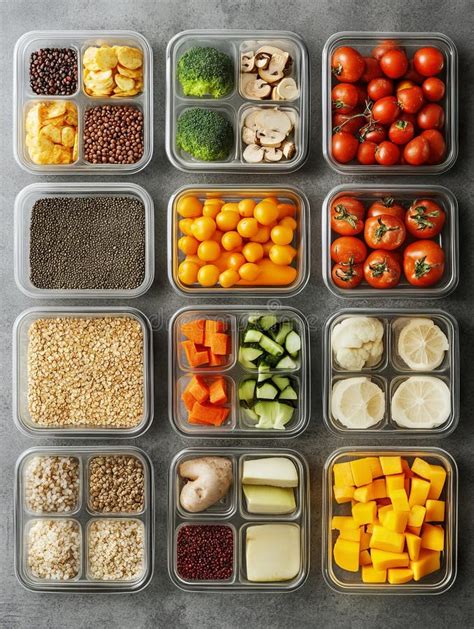
Batch cooking is the cornerstone of meal prep efficiency. Dedicate a few hours on your chosen prep day to cook large quantities of core components. Think roasted vegetables, grilled chicken, cooked grains, or even a big pot of soup or chili. Utilize all your kitchen appliances: an oven can roast veggies and proteins simultaneously, while a slow cooker or instant pot can handle grains or stews with minimal oversight.
Focus on versatile ingredients that can be repurposed throughout the week. For example, roasted chicken can become part of a salad, a wrap, or a pasta dish. Cooked quinoa can be a base for grain bowls, a side dish, or mixed into breakfast oats.
Step 4: Proper Storage for Freshness and Safety
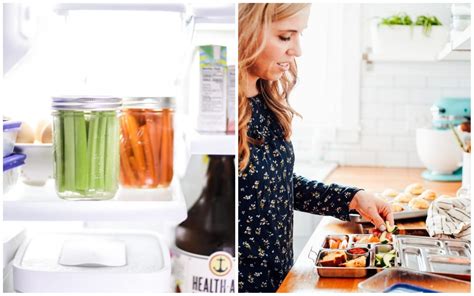
Investing in quality, airtight food storage containers is crucial for keeping your prepped meals fresh and preventing spoilage. Glass containers are excellent as they are microwave-safe, dishwasher-safe, and don’t stain or retain odors. Label your containers with the meal name and date of preparation to easily track freshness.
Allow hot food to cool completely before sealing and refrigerating to prevent condensation and bacterial growth. Most prepped meals will last 3-5 days in the refrigerator. For longer storage, consider freezing individual portions, especially for items like soups, stews, or cooked proteins.

Step 5: Keep It Exciting and Delicious
The biggest pitfall of meal prep can be culinary boredom. To keep your meals stunning and satisfying, incorporate variety. Rotate your recipes weekly, experiment with different cuisines, and don’t underestimate the power of sauces, dressings, and spices to transform a basic meal component.
Prep base ingredients and assemble them differently each day. For instance, cook a batch of chicken and rice, then one day add stir-fry sauce and veggies, another day turn it into a burrito bowl with salsa and avocado, and a third day serve it with a Mediterranean-inspired cucumber salad. Always add fresh elements like herbs, a squeeze of lemon, or a sprinkle of nuts right before eating to elevate the flavor and texture.

Final Tips for Sustainable Meal Prep Success
Start small: Don’t try to prep every single meal for the entire week right away. Begin with lunches, then gradually add dinners or snacks. Learn from your experience: What worked? What didn’t? Adjust your plan and recipes accordingly. Don’t be afraid to repurpose leftovers or combine prepped items with fresh components. Meal prep is a journey, not a destination, and adapting it to fit your unique lifestyle is key to its long-term success.
By implementing these tips, you’ll not only enjoy the benefits of healthy, home-cooked meals but also reclaim valuable time and money, proving that stunning and wholesome eating can be an accessible and enjoyable part of your everyday life.