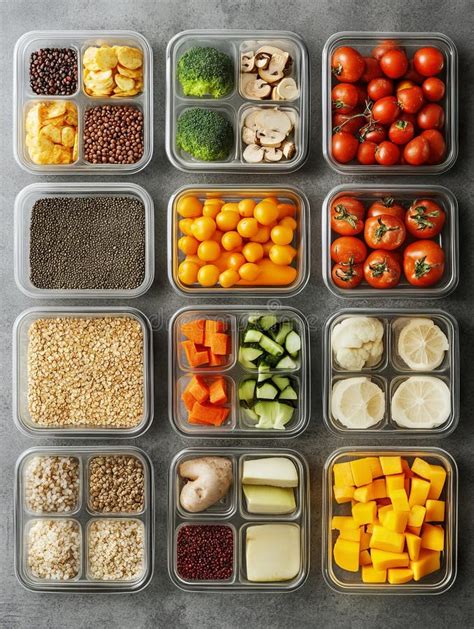
Tips for turning real food leftovers into exciting, visually appealing new meals?

Transforming last night’s dinner into today’s culinary masterpiece might seem like a magician’s trick, but with a few creative strategies, you can elevate humble leftovers into exciting, visually appealing new meals. Say goodbye to dull, reheated plates and hello to delicious dishes that look as good as they taste, all while reducing food waste.
Embrace the Power of Presentation
The first step to making leftovers exciting is understanding that we eat with our eyes. A dish that looks appealing instantly becomes more desirable. Don’t just scoop and reheat; take a moment to rethink how you present the food.
- Color & Texture Contrast: Introduce fresh, vibrant elements. If you have leftover roast chicken and potatoes, add some brightly colored steamed broccoli, chopped bell peppers, or a handful of fresh cherry tomatoes. Crunchy elements like toasted nuts, croutons, or crisp raw vegetables can also add much-needed texture.
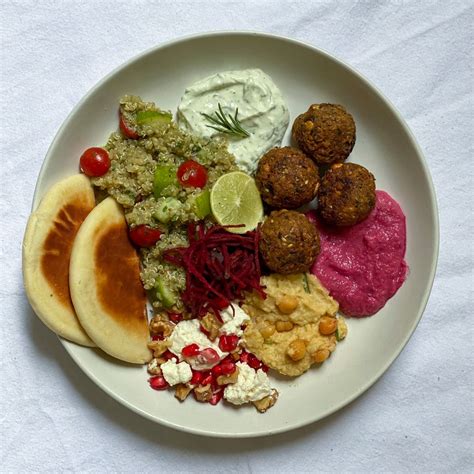
- Thoughtful Plating: Instead of a shapeless blob, arrange your food deliberately. Use different sections of the plate for different components. A swirl of sauce, a sprinkle of fresh herbs, or a wedge of lime can dramatically improve the visual appeal.
Creative Repurposing Techniques
The secret to exciting leftovers often lies in transforming them into an entirely new dish. Don’t feel confined to serving them in their original form. Think of your leftovers as ingredients awaiting a new purpose.
- Soups, Stews, & Casseroles: Almost any savory leftover can find a new life in a hearty soup, comforting stew, or baked casserole. Leftover roasted vegetables and meat can be simmered with broth and seasonings, perhaps thickened with a roux or pureed for a creamy soup. Casseroles are perfect for layering various components with a binding agent like cheese, eggs, or a creamy sauce.
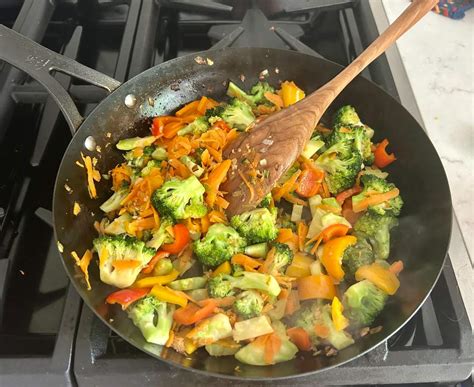
- Stir-fries & Fried Rice: These dishes are incredibly versatile for using up cooked grains, proteins, and vegetables. Chop everything into bite-sized pieces, add a fresh sauce (soy, ginger, garlic, sesame oil), and quick-fry. The high heat gives new textures and flavors.
- Salads & Bowls: Cold leftovers like chicken, salmon, or roasted veggies are perfect additions to a vibrant salad. Combine them with fresh greens, different textures (nuts, seeds), and a homemade dressing. Grain bowls are another excellent option, layering grains, protein, veggies, and a flavorful sauce.
Elevate Flavors with Fresh Additions
Sometimes, leftovers just need a flavor boost to feel new again. Fresh ingredients can awaken dormant flavors and add a new dimension.
- Sauces & Dressings: A fresh sauce can completely change the character of a dish. Think pesto, chimichurri, a tangy yogurt dressing, a spicy sriracha mayo, or a simple vinaigrette. These add moisture, acidity, and a burst of new flavor.
- Herbs & Spices: Fresh herbs like cilantro, parsley, basil, or mint can brighten up any dish. A sprinkle of chili flakes, smoked paprika, or a squeeze of fresh lemon juice can also do wonders. Don’t be afraid to experiment!
- Acid & Crunch: A squeeze of lemon or lime, a dash of vinegar, or a few pickled onions can cut through richness and add brightness. For crunch, consider toasted seeds, nuts, croutons, or even crispy fried shallots.

Think Outside the Box: Leftovers as Ingredients
Shift your perspective from “this is a leftover meal” to “these are ingredients for a new meal.”
- Breakfast Burritos/Scrambles: Leftover cooked veggies, beans, or even small pieces of meat can be fantastic additions to breakfast burritos or scrambled eggs.
- Quesadillas & Tacos: Shredded meat or roasted vegetables can be combined with cheese in a tortilla for a quick and satisfying meal. Add some fresh salsa or guacamole for extra appeal.
- Frittatas & Quiches: Eggs are a magical binder. Almost any cooked vegetable or protein can be incorporated into a frittata or quiche, creating an elegant and new dish.

With a little imagination and a willingness to experiment, your refrigerator can become a treasure trove of culinary possibilities. By focusing on presentation, transforming ingredients, and enhancing flavors, you’ll not only reduce food waste but also discover exciting new dishes from what you already have on hand. So next time you have leftovers, view them not as an obligation, but as an opportunity to create something truly delicious and visually captivating.