Tips for vibrant, crisp roasted veggies that pop on camera?
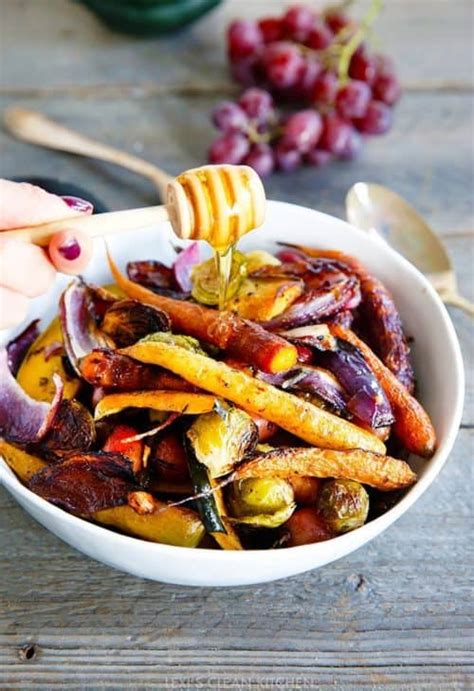
Mastering the Art of Photogenic Roasted Vegetables
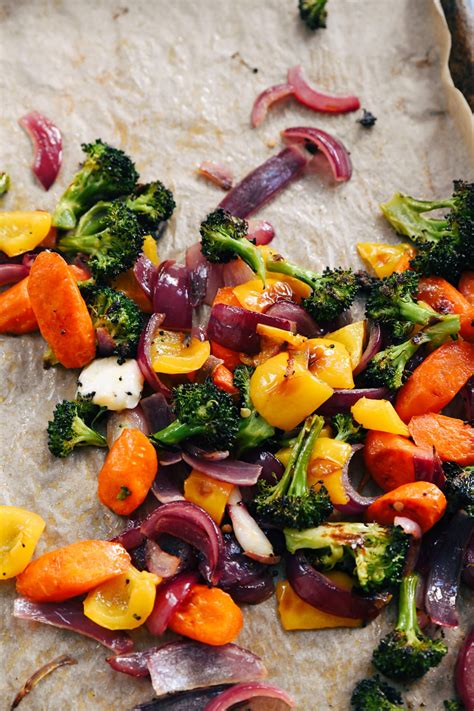
Roasted vegetables are a staple in many kitchens, beloved for their caramelized sweetness and tender interiors. But transforming them into dishes that truly pop on camera requires a little extra know-how. Whether you’re a food blogger, home cook, or just love sharing your culinary creations, these tips will help you achieve vibrant, crisp roasted veggies that are as appealing to the eye as they are to the palate.
The Foundation: Start with the Right Veggies
Choose Fresh & Colorful
The journey to photogenic roasted vegetables begins at the market. Opt for the freshest, most vibrant produce you can find. Brightly colored vegetables like bell peppers, broccoli, carrots, beets, and sweet potatoes naturally offer a visual advantage. Look for firm, unblemished specimens.
Uniformity is Key: The Art of Cutting
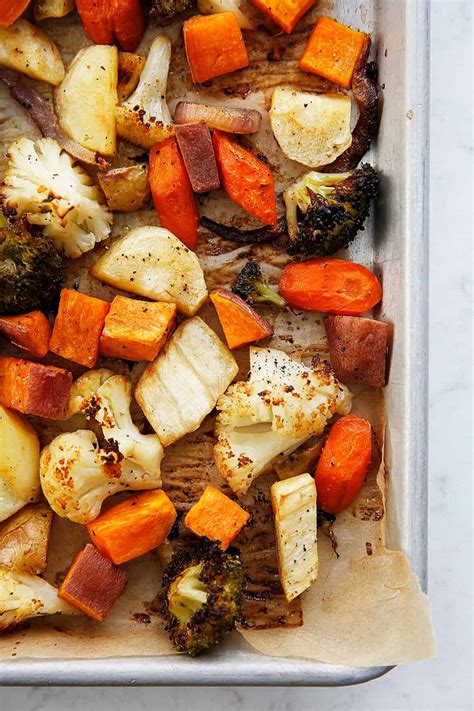
Consistency in size and shape is crucial for even cooking and a beautiful presentation. Cut your vegetables into pieces of roughly the same size. This ensures they all cook at a similar rate, preventing some from becoming mushy while others remain raw. For visual appeal, consider shapes that offer interesting angles or surfaces for caramelization.
Prepping for Perfection: Oil, Season, & Space
The Right Fat & How Much
A good quality fat is essential for crispiness and flavor. Olive oil, avocado oil, or even melted coconut oil work wonderfully. Don’t drown your vegetables; a light, even coating is all you need. Too much oil can make them greasy and soggy, while too little can lead to dry, uncaramelized results. Toss them thoroughly in a large bowl to ensure every piece is lightly coated.
Seasoning for Flavor and Pop
Beyond salt and pepper, consider seasonings that enhance both flavor and color. A sprinkle of paprika can deepen the red hues, while a dash of turmeric adds a golden glow. Garlic powder, onion powder, dried herbs (like rosemary or thyme), and a pinch of red pepper flakes can all contribute to a dynamic flavor profile that translates well on camera.
Don’t Crowd the Pan!
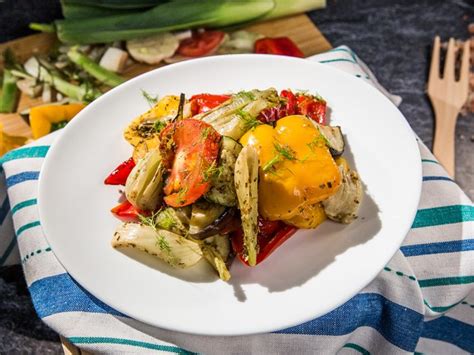
This is arguably the most critical tip for crispiness. Overcrowding your baking sheet is a common mistake that leads to steamed, rather than roasted, vegetables. When vegetables are too close together, they release moisture, which then steams the other pieces. Spread them in a single layer with ample space between each piece. If necessary, use two baking sheets to achieve proper spacing.
The Roasting Process: Heat Matters
High Heat, Hot Oven
For truly crisp and caramelized results, a hot oven is your best friend. Preheat your oven to 400-425°F (200-220°C) and let the baking sheet heat up with the oven. Roasting at high temperatures encourages rapid browning and caramelization, creating those desirable crispy edges and vibrant colors.
The Flip for Even Browning
Midway through roasting, give your vegetables a good stir or flip them with a spatula. This ensures even exposure to the heat, promoting browning on all sides and preventing one side from burning while the other remains pale.
Post-Roasting Magic: Finishing Touches
A Splash of Acid
Once your vegetables are out of the oven, a squeeze of fresh lemon juice or a drizzle of balsamic glaze can do wonders. The acidity brightens the flavors and enhances the natural colors, making them look even more appetizing and vibrant on camera. Add this just before serving or plating for your photoshoot.
Fresh Herbs for Garnish
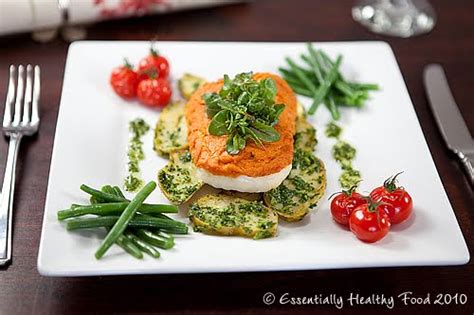
Garnishing with fresh herbs like chopped parsley, cilantro, dill, or chives adds a burst of contrasting color and freshness. The vibrant green of fresh herbs against the rich, roasted tones creates visual interest and makes the dish look more polished and professional.
Immediate Serving & Photography
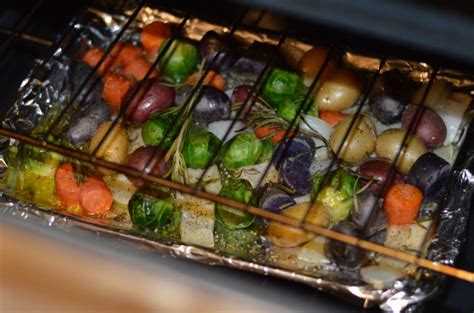
Roasted vegetables are at their peak crispness and vibrancy immediately after cooking. Plan your photography session to coincide with them coming out of the oven. The steam and warmth add to their appeal. If you let them sit too long, they can lose their crispness and become less visually appealing.
Troubleshooting Common Issues
- Why are my veggies soggy? You likely crowded the pan or didn’t use high enough heat. Ensure single layer and hot oven.
- Why aren’t they browning? Too much moisture (crowding), not enough oil, or oven temperature too low.
By following these tips, you’ll be well on your way to creating roasted vegetable dishes that are not only delicious but also consistently gorgeous and ready for their close-up. Happy roasting and photographing!