Tips for visually finding authentic, non-touristy foodie gems?
The Quest for Authentic Flavors
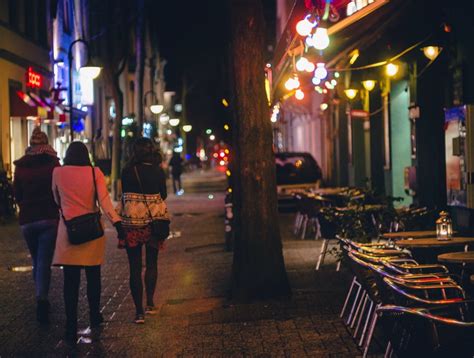
When traveling, one of the most enriching experiences is diving into the local food scene. But how do you avoid the tourist traps and unearth those hidden gems where locals truly dine? It’s all about sharpening your observational skills and paying attention to subtle visual cues that speak volumes about a place’s authenticity.
Observe the Clientele: Where Do the Locals Eat?
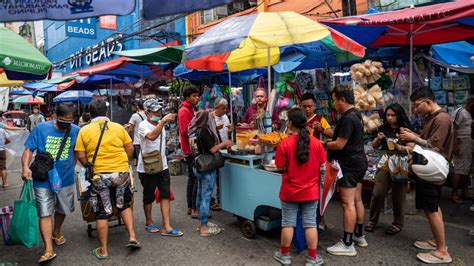
This is perhaps the most critical visual indicator. A restaurant packed with locals during peak meal times is almost always a good sign. Look for:
- Local Faces: Are the majority of diners residents, perhaps dressed in work attire or speaking the local language?
- Family Gatherings: Multi-generational families dining together often signifies a trusted, well-loved establishment.
- No English Menus: While not always a deal-breaker, the absence of English menus or extensive English signage can suggest a place caters primarily to locals.
If you see a lot of people carrying guidebooks or speaking your language, it might be a tourist hotspot.
Examine the Menu and Signage: Simplicity is Key
Authentic local eateries often have simple, straightforward menus, sometimes even handwritten. Elaborate, multi-page menus translated into several languages can be a red flag. Also, consider:
- Local Language Dominance: Is the menu predominantly in the local language, with maybe a very brief English translation if any?
- Specialty Focus: Many authentic spots excel at a few specific dishes rather than offering an extensive, generic selection.
- Handwritten Specials: Chalkboards or handwritten signs announcing daily specials are a great indicator of fresh, seasonal ingredients and local culinary practices.
The Ambiance and Decor: Function Over Flash
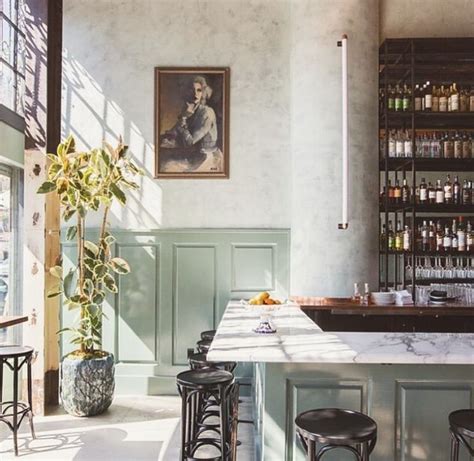
Tourist restaurants often invest heavily in ‘authentic-looking’ but generic decor. True local gems, however, prioritize the food and community over elaborate, themed aesthetics. Look for:
- Understated Interiors: Simple, functional furniture and decor, perhaps a bit worn, often signify a long-standing establishment where the food speaks for itself.
- No Obvious Gimmicks: Avoid places with overly flashy signs, costumed staff, or prominent pictures of food dishes plastered outside (unless it’s a very specific street food culture).
- Local Art or Photos: If there’s decor, it might be local art, family photos, or mementos that reflect the community or the establishment’s history.
Observe the Food Presentation: Homestyle vs. Haute Cuisine
While presentation matters, authentic local food often prioritizes hearty portions and traditional plating over overly stylized, ‘Instagrammable’ dishes (unless it’s a specific high-end local cuisine). Look for:
- Generous Portions: Often a sign of good value and a place catering to hungry locals.
- Simple, Rustic Plating: Dishes that look like they’ve been prepared with care and tradition, not necessarily artistic flair.
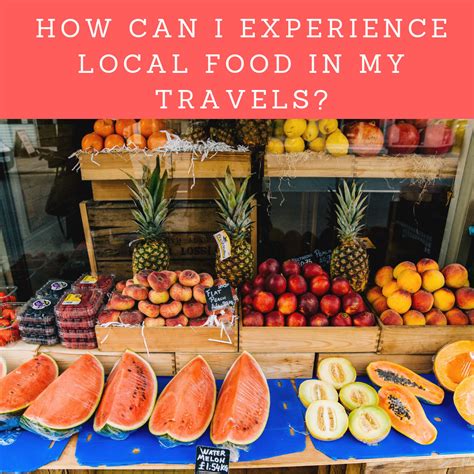
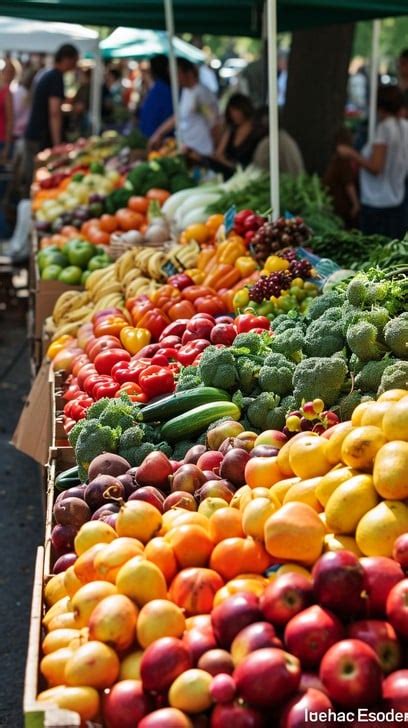
- Fresh Ingredients: Visually inspect ingredients if they’re visible (e.g., at a market stall or an open kitchen). Bright, vibrant produce and fresh-looking meats are positive signs.
Kitchen Visibility and Hygiene
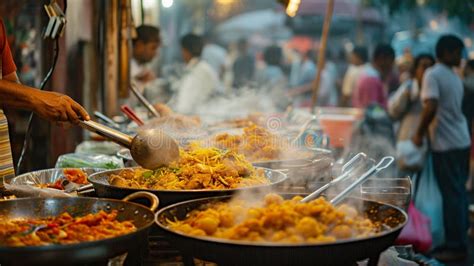
If you can catch a glimpse of the kitchen or food preparation area, pay attention. A busy, well-organized, and reasonably clean (for its type) kitchen is a good sign. For street food, observe the vendor’s practices, how they handle ingredients, and the cleanliness of their stall. A queue at a street food vendor is also a strong visual cue of popularity and trust.
Conclusion: Trust Your Gut (and Your Eyes!)
Finding authentic foodie gems is a delightful adventure. By training your eyes to spot these visual cues—from the crowd to the menu, the decor to the kitchen—you’ll significantly increase your chances of discovering incredible, non-touristy culinary experiences that truly reflect the heart and soul of your destination. Embrace the unexpected, be adventurous, and enjoy the delicious rewards!