To engage real foodies, what specific visual bite elements boost conversion?

In the culinary world, where taste reigns supreme, sight is the crucial first impression. For true food enthusiasts, a mere photograph isn’t enough; they crave an immersive visual experience that promises flavor, texture, and authenticity. To convert these discerning “foodies” into customers or loyal followers, businesses and content creators must master the art of the ‘visual bite’ – specific elements that go beyond aesthetics to evoke desire and trust.
The Power of Authentic Imperfection
Modern foodies are savvy. They can spot overly processed or artificially enhanced imagery a mile away. What truly resonates is authenticity. This means showcasing dishes in their natural, delicious state, perhaps with a slight crumb out of place or a perfectly melted drip. Such “imperfections” signal a handmade quality and a genuine experience, making the food feel more accessible and real. Focus on honest portrayal over unattainable perfection.

Texture Takes Center Stage: The Close-Up Advantage
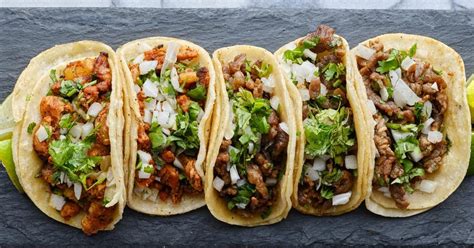
Texture is a sensory experience often overlooked in visual marketing, yet it’s paramount for foodies. A close-up shot that highlights the crispy skin of a roasted chicken, the gooey cheese pull of a pizza, or the delicate layers of a pastry speaks volumes. These detailed shots don’t just show the food; they make you feel like you can almost taste and touch it. This emphasis on tactile qualities directly translates to a heightened craving and desire to experience the dish.
Employ macro photography or tightly framed shots to magnify the intricate details that make food appealing. Think about the glistening glaze, the crumbly topping, or the vibrant marbling in a steak. These visual cues are powerful triggers for the foodie’s imagination, simulating the mouthfeel before a single bite is taken.
Strategic Lighting and Composition: Setting the Mood
Just as a chef meticulously plates a dish, a photographer must carefully compose an image. Natural, soft lighting is almost always preferred, as it highlights colors and textures without harsh shadows or artificial glows. Backlighting can create an ethereal halo around food, emphasizing steam or delicate edges, while sidelighting can accentuate depth and texture. Composition principles like the rule of thirds, leading lines, and negative space guide the viewer’s eye, making the food the undeniable star.
Storytelling Through Context and Props
Food is rarely just food; it’s an experience, a memory, a culture. Visuals that tell a story – whether it’s the rustic kitchen where ingredients are prepared, the cozy cafe setting where a pastry is enjoyed, or the hands gracefully plating a dish – add depth and relatability. Thoughtfully chosen props like vintage cutlery, artisanal napkins, or fresh herbs can enhance the narrative without distracting from the main subject. These elements create a holistic picture that foodies crave, illustrating the journey from preparation to consumption.
Vibrant Colors and Freshness Cues
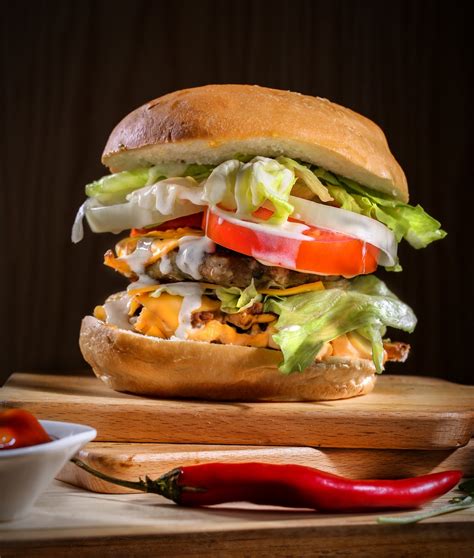
Humans are inherently drawn to vibrant colors, especially when it comes to food. Bright reds of berries, rich greens of fresh vegetables, and golden browns of baked goods signal freshness, ripeness, and deliciousness. Ensure your visual bites capture these true-to-life hues. Conversely, muted or desaturated colors can suggest staleness or an artificial quality. Focusing on the natural vibrancy of ingredients directly communicates quality and health, appealing strongly to health-conscious foodies.

The Human Touch: Interaction and Enjoyment
Adding a human element can dramatically boost engagement. A hand reaching for a piece of bread, someone laughing over a shared meal, or a person taking a first bite instantly makes the scene more inviting and relatable. These images create an aspirational feeling, allowing the viewer to imagine themselves in that moment, enjoying that very dish. It transitions the visual from a mere product shot to an experience, tapping into the emotional connection foodies have with their meals.

Conclusion: Crafting Irresistible Visual Narratives
Engaging real foodies and driving conversion isn’t about simply showing food; it’s about invoking a sensory journey. By prioritizing authenticity, emphasizing texture through close-ups, mastering lighting and composition, weaving in storytelling context, celebrating vibrant freshness, and incorporating a human touch, visual bites transform from static images into compelling invitations. Implement these elements to craft irresistible visual narratives that not only captivate the eye but also awaken the palate and inspire action.