Top photo tips for showcasing authentic street food adventures visually?

Capturing the Soul of Street Food
Street food isn’t just sustenance; it’s a cultural experience, a story told through flavors, aromas, and the hands that prepare it. Visually conveying this authenticity requires more than just pointing a camera. It demands an understanding of light, context, and the subtle nuances that make each dish unique. Whether you’re a seasoned photographer or just starting out, these tips will help you elevate your street food visuals from simple snapshots to captivating narratives.
Harnessing the Power of Natural Light
The golden rule of food photography, especially street food, is natural light. Avoid harsh direct sunlight, which can create unflattering shadows and blown-out highlights. Instead, seek out soft, diffused light, perhaps under an awning, in the shade of a building, or during the ‘golden hours’ of sunrise and sunset. Overcast days are often your best friend for evenly lit scenes.
Position yourself so the light falls on the food from the side or slightly behind. This technique, known as backlighting or sidelighting, creates appealing shadows that add depth, dimension, and texture, making the food appear more inviting and fresh. Pay attention to how light interacts with steam or condensation to add a dynamic element to your shots.

Mastering Composition and Perspective
Don’t just shoot from above. While an overhead shot (flat lay) can be great for presenting a spread, experiment with various angles. Get low to capture steam rising from a hot dish, shoot eye-level with the vendor to show interaction, or go wide to include the bustling environment. The goal is to tell a complete story, not just show a plate of food.
Utilize classic compositional techniques like the rule of thirds, leading lines, and negative space to create visually compelling photographs. Frame your subject (the food) deliberately, ensuring it’s the star but not isolated from its narrative. Look for elements in the foreground or background that can add depth or context without distracting.
Highlighting Textures and Details
Authenticity often lies in the imperfections and vibrant details. Get close to show the crispy edges, the glistening sauce, the fresh herbs, the intricate layers, or the char from a grill. These details communicate freshness, flavor, and the effort put into preparation. A shallow depth of field, achieved with a wider aperture, can isolate these elements, making them pop and drawing the viewer’s eye exactly where you want it.

Weaving in the Human Element and Environment
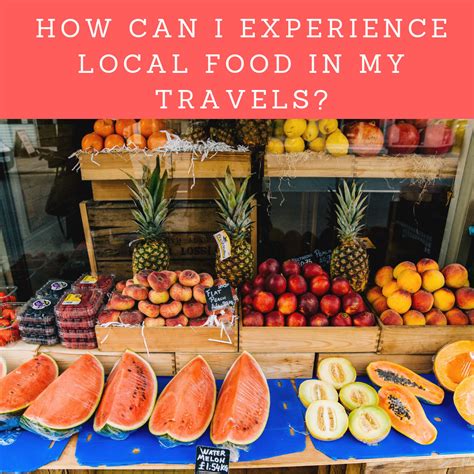
Street food is inherently social and cultural. Capture the hands preparing the food, the vendor’s focused expression, the eager customers waiting in line, or the bustling market backdrop. These human elements add context, scale, and a palpable sense of place and energy to your photos. They transform a food picture into a cultural document.
A wide shot showing the food stall in its environment can be just as powerful as a close-up, painting a fuller picture of the street food experience. Don’t be afraid to show the organized chaos, the vibrant colors of spices, or the rustic setup that gives street food its unique charm. This contextual storytelling is crucial for conveying authenticity.
Subtle Editing and Storytelling Through Series
Less is often more when it comes to editing street food photos. Focus on subtle adjustments to exposure, contrast, white balance, and color saturation to enhance what’s already there, rather than creating an artificial look. Aim for a natural, inviting feel that accurately reflects the real-life experience. Over-editing can strip away the raw authenticity you’re trying to capture.
Think of your photos as a series rather than isolated shots. Capture the preparation, the serving, the interaction, the reaction, and the eating. A collection of images that tells a progression of events can convey a much richer story than a single shot ever could, inviting your audience to almost taste and feel the experience for themselves.
Conclusion: Eat, Shoot, Share Authentically
Showcasing authentic street food visually is about respect – for the food, the culture, and the people behind it. By applying these tips, you’ll not only capture delicious-looking photos but also tell compelling stories that transport your audience directly to the vibrant streets you’ve explored. So next time you embark on a culinary adventure, remember to look, taste, and shoot with authenticity at heart, creating visual feasts that truly resonate.