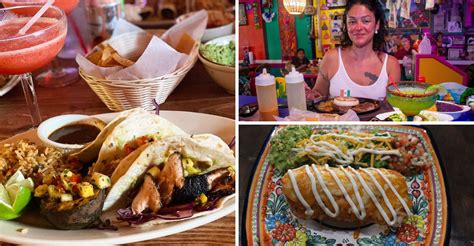
Top visual tips for finding authentic local food adventures?
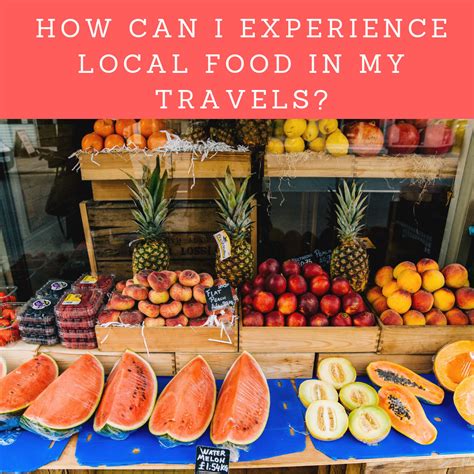
The Visual Clues to Culinary Gold
When embarking on a food adventure, the most memorable and authentic experiences often lie off the beaten path, far from the tourist traps. But how do you spot these hidden gems? The secret lies in sharpening your visual senses. Learning to read the visual cues of a bustling market, a humble street stall, or a vibrant local eatery can be your most powerful tool for uncovering genuine culinary delights.
Follow the Locals, Not the Tourists
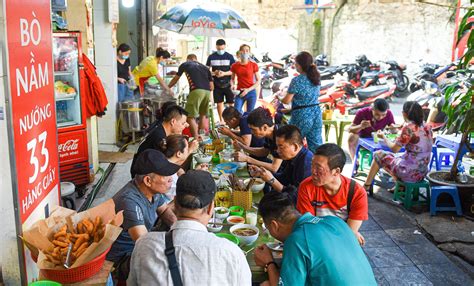
This is perhaps the most fundamental visual tip. Take a moment to observe the demographic of a restaurant or food stall. If it’s packed with locals, especially during peak meal times, you’re likely onto something good. Locals know where the best food is, where the portions are generous, and where the prices are fair. A queue of patient locals is a strong endorsement.
Conversely, if a place is empty or filled predominantly with other tourists holding guidebooks, it might be safer to pass. Seek out the places where the local language dominates the chatter, and where the atmosphere feels genuinely rooted in the community.
Observe the Preparation and Presentation
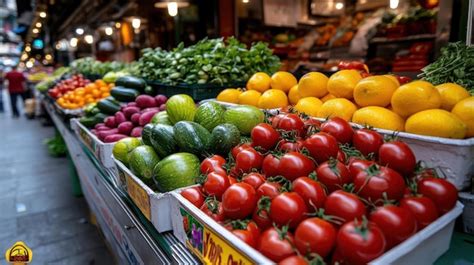
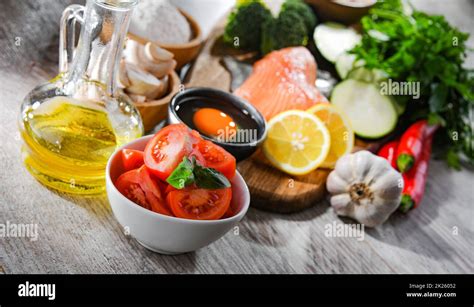
Walk past open kitchens or street food vendors and pay close attention to how the food is being prepared. Are the ingredients fresh and vibrant? Is the cooking area clean and organized? A visible passion for cooking and careful handling of ingredients are excellent signs. Watch for techniques unique to the region – the way bread is kneaded, noodles are pulled, or spices are ground. Freshness is key: look for bright colors in vegetables, clear eyes on fish, and bustling activity around fresh produce.
Scrutinize the Menu and Signage
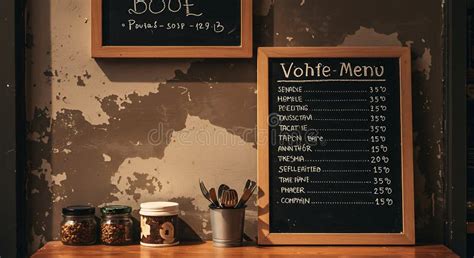
While language barriers can be challenging, the appearance of a menu can tell a story. Hand-written menus, often with daily specials or limited options, can signal a focus on quality and what’s fresh. A menu solely in the local language (or with a few awkward English translations) often indicates a place catering primarily to locals. Beware of overly polished, multi-language menus with glossy photos that seem designed to appeal to every tourist.
Also, look for visual cues on the exterior – awards, certifications, or even just a long-standing, well-worn appearance can suggest a beloved local institution.
Explore Markets and Off-the-Beaten-Path Areas
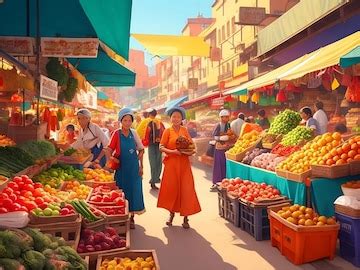
Often, the most authentic food experiences begin in local markets. These vibrant hubs are not just places to shop, but living museums of local culinary culture. Observe what fruits, vegetables, and spices are in season and unique to the region. Many market stalls also offer ready-to-eat dishes that are incredibly fresh and representative of local flavors. Venture a few blocks away from major tourist attractions into residential areas – this is often where you’ll find neighborhood eateries serving up genuine, everyday local fare.
Conclusion: Trust Your Eyes, Taste the World
Honing your visual observational skills is an invaluable asset for any food-loving traveler. By paying attention to where the locals eat, how food is prepared, the authenticity of menus, and where you choose to explore, you can unlock a world of genuine culinary adventures. So, next time you’re on the hunt for your next authentic meal, slow down, look around, and let your eyes guide you to an unforgettable taste of local culture.